

HIV remains one of the most closely studied and discussed public health issues in modern medicine, but Scotland is now attempting something that once seemed out of reach: stopping new transmissions entirely.
According to a joint manifesto led by Terrence Higgins Trust, alongside Waverley Care and National AIDS Trust, Scotland may be positioned to become the first country in the world to eliminate new HIV transmissions without the use of a vaccine or a cure.
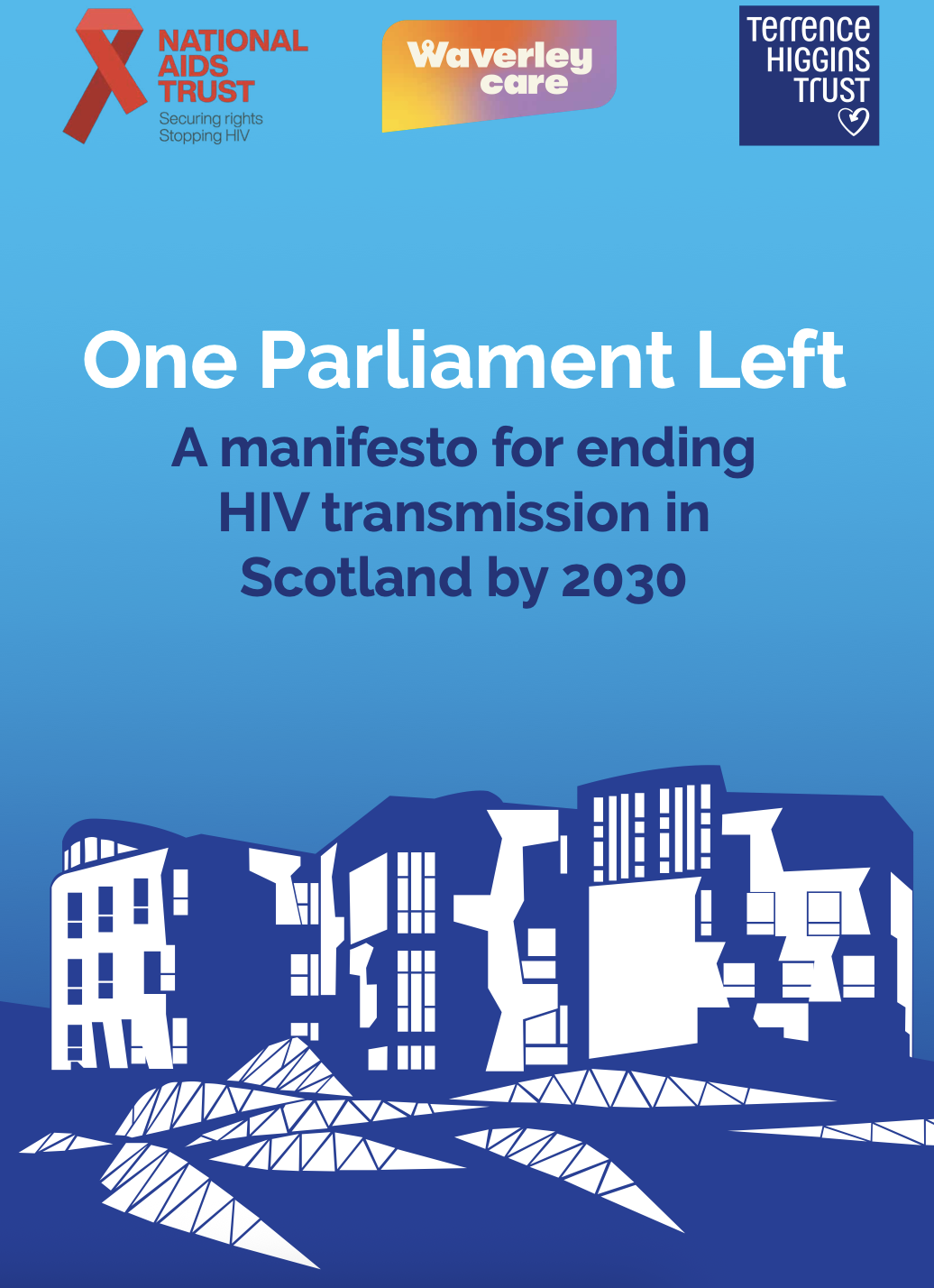
This goal is not theoretical. The Scottish Government formally committed in 2020 to ending new HIV cases by 2030, setting a clear timeline for what would be a historic public health milestone.
RELATED: Long-Acting HIV Treatments: Fewer Pills, More Freedom?
What Progress Looks Like So Far
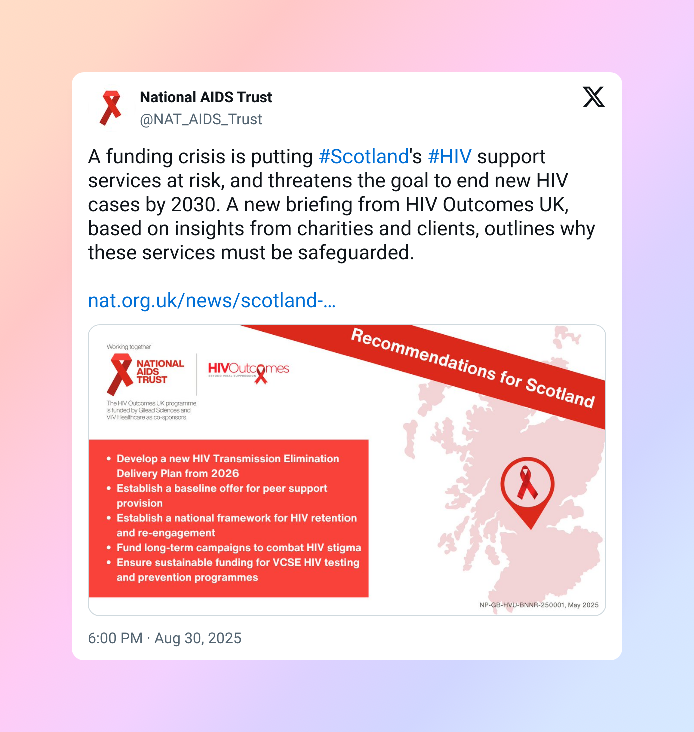
While Scotland has made measurable progress, challenges remain.
Current estimates suggest that around 400 people in Scotland are living with undiagnosed HIV. In addition, approximately 1,400 individuals who have already received a diagnosis are not currently engaged in ongoing care. These gaps are critical, as untreated HIV can still be transmitted, whereas effective treatment prevents transmission entirely.
Modern treatment has transformed HIV from a life-threatening diagnosis into a manageable long-term condition. When a person living with HIV maintains consistent treatment and reaches an undetectable viral load, the virus cannot be passed on to others. This medical reality is central to Scotland’s strategy moving forward.
Why Testing Is a Cornerstone of the Plan
One of the most effective ways to reduce HIV transmission is through early and widespread testing.
Identifying HIV at an early stage allows individuals to begin treatment promptly, improving long-term health outcomes and reducing the likelihood of onward transmission. It also helps ease pressure on healthcare systems by reducing complications that arise from late diagnosis.
Evidence from similar initiatives highlights how expanded testing can be both clinically and economically beneficial. For example, opt-out testing programs have been associated with shorter hospital stays and reduced healthcare costs after implementation.
Scotland’s approach includes increasing access to testing through more routine opportunities, as well as encouraging people who may not consider themselves at risk to get tested.
Expanding Prevention Through PrEP and Accessibility

Prevention remains a central pillar of Scotland’s HIV strategy, particularly through the use of pre-exposure prophylaxis, or PrEP.
PrEP is a medication that significantly reduces the risk of acquiring HIV when taken as prescribed. Its availability has become a key tool in prevention efforts, especially within LGBTQ communities where HIV has historically had a disproportionate impact.
The manifesto calls for the development of a national online HIV prevention service, which would include at-home testing kits and easier digital access to PrEP. The aim is to remove barriers such as stigma, inconvenience, or lack of awareness that may prevent individuals from seeking prevention tools.
By integrating prevention into accessible, user-friendly services, Scotland hopes to reach individuals who might otherwise remain outside traditional healthcare settings.
Supporting Those Living With HIV
Ending transmission also depends on supporting those already diagnosed.
Ongoing care is essential not only for individual health but also for maintaining viral suppression, which prevents further spread. However, engagement in care can be disrupted for various reasons, including stigma, mental health challenges, or access issues.
The manifesto emphasizes the importance of peer support networks and mental health services, as well as sustainable funding for organizations that provide community-based HIV support. Strengthening these services helps ensure that individuals remain connected to care and supported throughout their journey.
Addressing Stigma and Misconceptions
Despite medical advancements, stigma continues to influence how HIV is perceived and addressed.
Misconceptions about transmission, outdated attitudes, and lack of education can all contribute to hesitation around testing or disclosure. This is why public awareness campaigns remain an important component of Scotland’s plan.
The proposal includes multi-year initiatives aimed at normalizing HIV testing and improving general understanding of the virus. By encouraging open conversations and accurate information, these efforts seek to reduce stigma and promote a more informed public perspective.
What This Means for LGBTQ Communities
For LGBTQ communities, HIV has long been part of a broader social and health narrative. The progress being made in Scotland represents more than a public health target—it reflects decades of advocacy, medical innovation, and community resilience.
If successful, Scotland’s approach could serve as a model for other countries looking to reduce and ultimately eliminate new HIV transmissions. It demonstrates how coordinated efforts across prevention, testing, treatment, and education can work together toward a shared goal.
Looking Ahead
The possibility of ending new HIV transmissions in a country without a vaccine or cure marks a significant shift in how the virus is approached globally.
Scotland’s strategy relies on tools that already exist—accessible testing, effective treatment, prevention medications like PrEP, and consistent public education. The challenge lies not in invention, but in implementation and reach.
As the 2030 target approaches, the coming years will determine whether these combined efforts can achieve what once seemed impossible: stopping HIV transmission entirely within a national population.
REFERENCE: Terrence Higgins Trust