


It’s 2026, and somehow, Texas has found another way to make wedding bells sound a little less celebratory for the LGBTQ+ community. A new Republican-backed proposal could put wedding officiants at risk of felony charges for performing ceremonies involving same-sex couples, raising fresh concerns about marriage equality in a state that has never been particularly welcoming to LGBTQ+ rights.
And no, this isn’t exactly the kind of wedding drama anyone wants an invitation to.
Texas Bill Could Make Officiating Same-Sex Weddings a Felony
Texas Republican State Sen. Brent Hagenbuch filed Senate Bill 178 on November 9, proposing tougher criminal penalties for people who knowingly conduct marriage ceremonies involving marriages considered legally void under certain provisions of the Texas Family Code.
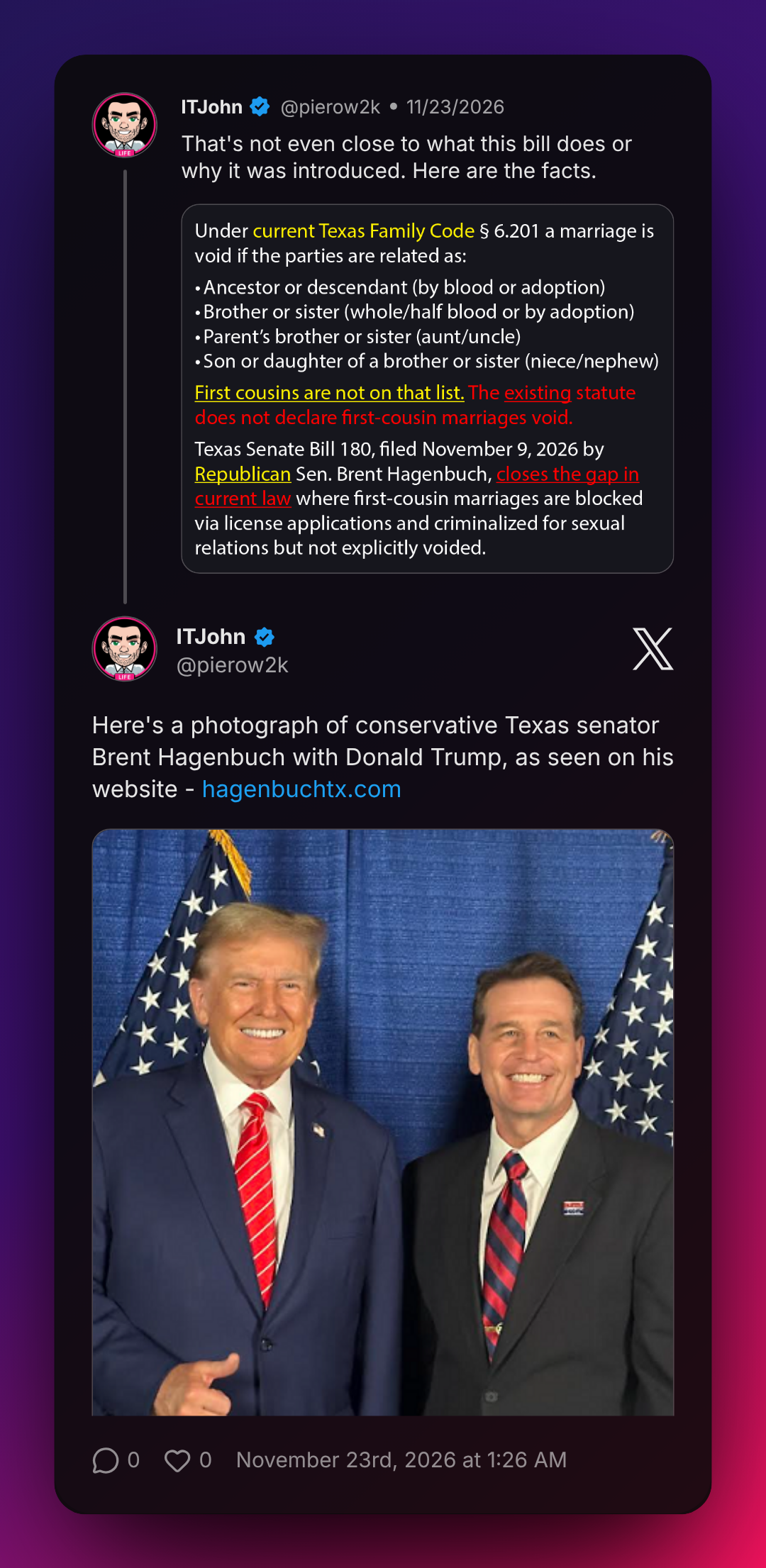
While the proposal doesn’t explicitly mention same-sex couples, there’s a rather significant catch.
Although the U.S. Supreme Court established marriage equality nationwide in its landmark 2015 Obergefell v. Hodges decision, Texas Family Code Section 6.204 still contains outdated language declaring same-sex marriages void. That provision, however, cannot override the Supreme Court’s ruling.
Under SB 178, knowingly conducting a marriage ceremony for a marriage considered void under Chapter 6 would become a third-degree felony. That’s potentially two to 10 years in prison and a fine of up to $10,000.
Meanwhile, conducting a ceremony without proper legal authorization would remain a Class A misdemeanor.
In other words, the proposal could expose people who officiate same-sex weddings to significantly harsher criminal penalties, even though same-sex couples have a constitutional right to marry.
RELATED: If You Hate Drag, There’s a Shockingly Easy Solution: Stay Home
Legal Expert Calls the Proposal Unconstitutional
The potential implications haven’t gone unnoticed.
Emily Berman, a constitutional law professor at the University of Houston Law Center, told the Houston Chronicle that the proposal could result in discriminatory treatment of same-sex couples.
“And while Obergefell says nothing specifically about rules for officiating weddings, the proposed bill certainly would result in discriminatory treatment towards marriage between people of the same sex,” Berman explained, calling the proposal “patently unconstitutional.”
However, there’s another development worth noting. Hagenbuch told the Houston Chronicle that the bill was not intended to target same-sex weddings and that language appearing to include them could be removed during the committee process.
So, whether that happens remains to be seen.
Is the Texas Wedding Bill Already Law?
Not even close. SB 178 is currently just a proposal, having been filed ahead of the 90th Texas Legislature, which begins January 12, 2027.
If passed, the proposed legislation would take effect September 1, 2027.
For now, same-sex marriage remains legal in Texas under federal constitutional protections. The proposal does not invalidate existing marriages or make it illegal for same-sex couples to marry.
Still, the possibility of criminal penalties for those celebrating LGBTQ+ couples is enough to raise serious questions.
Because if there’s one thing wedding ceremonies should come with, it’s confetti, happy tears, and an open bar, not the threat of a felony conviction.