


If you were a gay kid in the 2000s, chances are you had a poster of Captain Jack Harkness on your wall—or, at the very least, some very confusing feelings about him. John Barrowman wasn’t just out and proud; he was practically doing jazz hands with a rainbow flag, unapologetically camp, and iconically hot. But in 2021, the stage lights dimmed dramatically for the larger-than-life actor, and for the first time in a long time, Barrowman found himself off-script, unprotected, and—in his words—shattered.
RELATED: John Barrowman Thought About Taking His Life Following Scandal
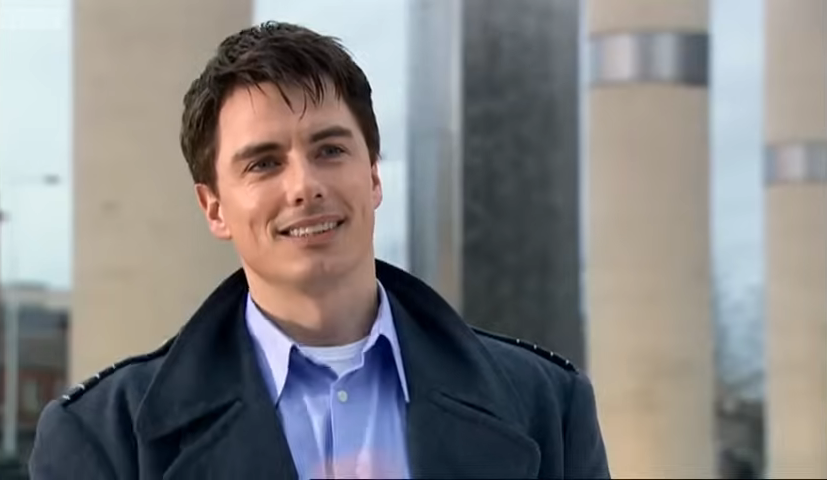
In a nearly two-hour tell-all on the Gay Old Time podcast, Barrowman, now 58, put everything on the table: queerness in the ’90s, BBC politics, the alleged flashing scandal, the LGBTQ+ backlash, and what it feels like to be exiled from the very community he once championed.
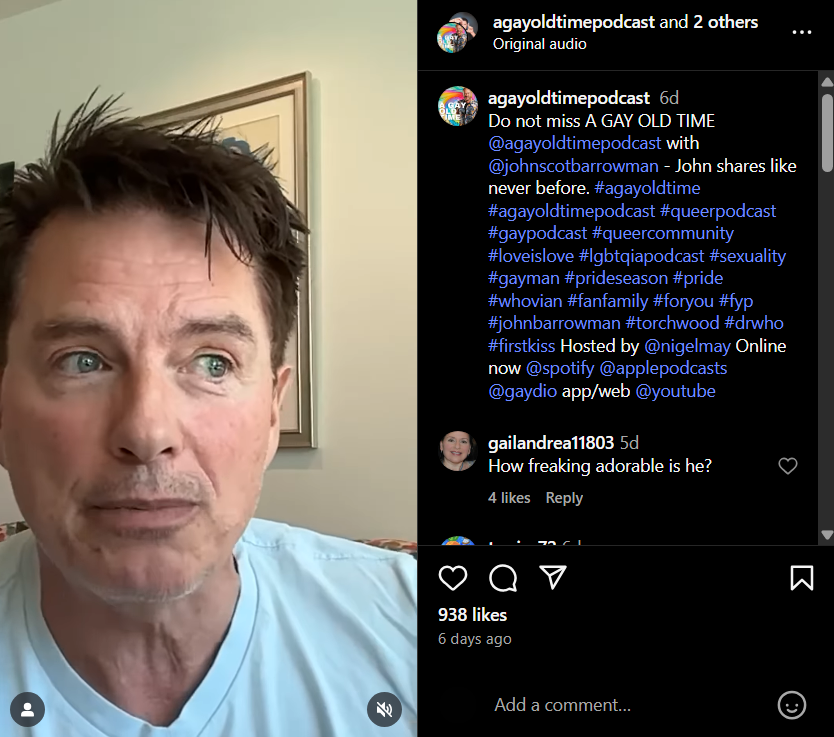
Let’s not sugarcoat it: the tea was piping.
The Closet Door That Never Quite Closed
Back in the ’90s, when Barrowman was hosting the BBC children’s show Live & Kicking, the entertainment industry was still wearing its heteronormativity like a badge of honor—or at least like a tattered trench coat nobody wanted to admit was out of style.
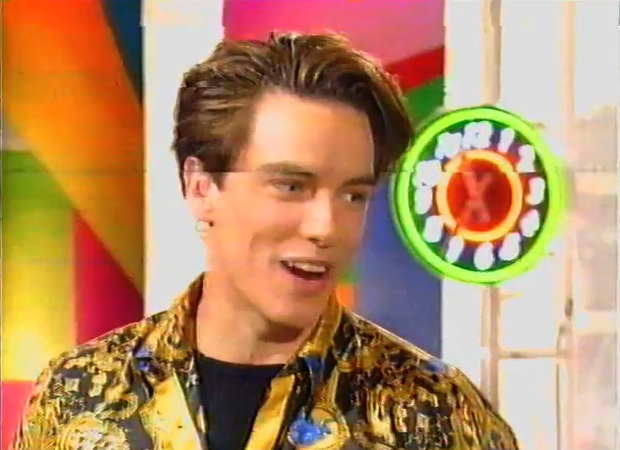
“In those days, at the BBC there was a culture, there was [sic] a lot of men who were married to women, but those men were clearly gay and they were running the stuff, or very powerful, strong single women who were running certain aspects of it,” Barrowman recalled.
“There was a culture of cover-up, don’t say anything, and I just slotted myself in. Because of the time, and it was children’s television, so you could lose your job. But, for crying out loud, everybody was on the queer spectrum there.”
It’s a revelation that might surprise exactly no one who’s ever worked in TV (or musical theatre), but it underscores just how much queer artists have historically had to code-switch to survive—even those as outwardly flamboyant and confident as Barrowman.
The Fall from Grace (and Glitter)
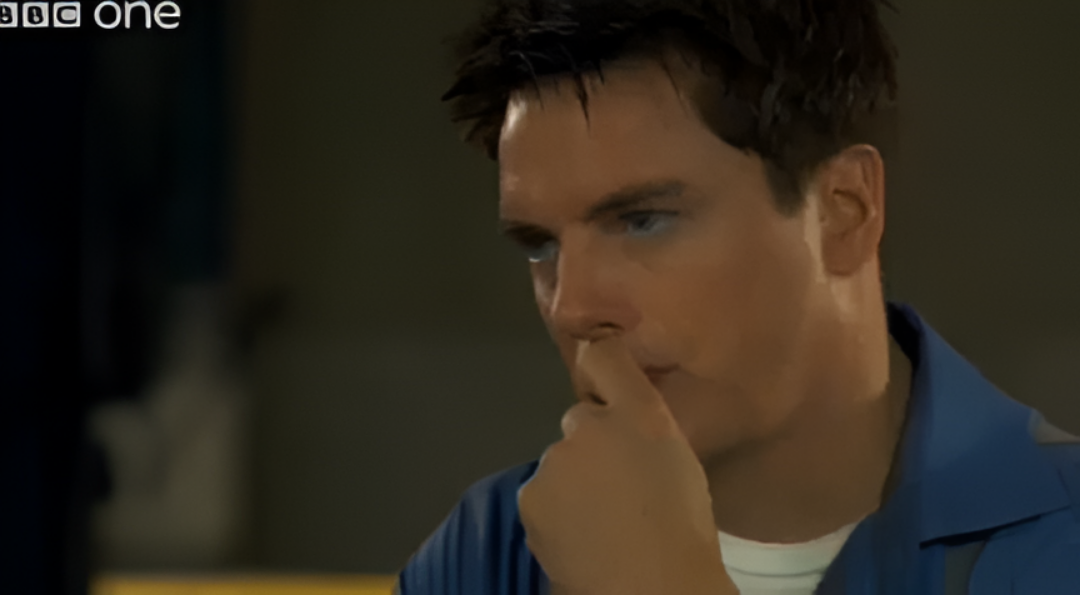
Fast forward to 2021, when allegations surfaced that Barrowman had repeatedly flashed colleagues on the sets of Doctor Who and Torchwood between 2005 and 2011. Barrowman described it at the time as “high-spirited behaviour” and “tomfoolery”—words that felt more Benny Hill than #MeToo, and which were roundly criticized as dismissive.
The fallout was brutal. Overnight, Captain Jack was wiped from the Doctor Who canon, Barrowman was dropped from ITV’s Dancing On Ice, and entertainment doors slammed shut across the board.
RELATED: John Barrowman Shows a Nice View While Roller Skating
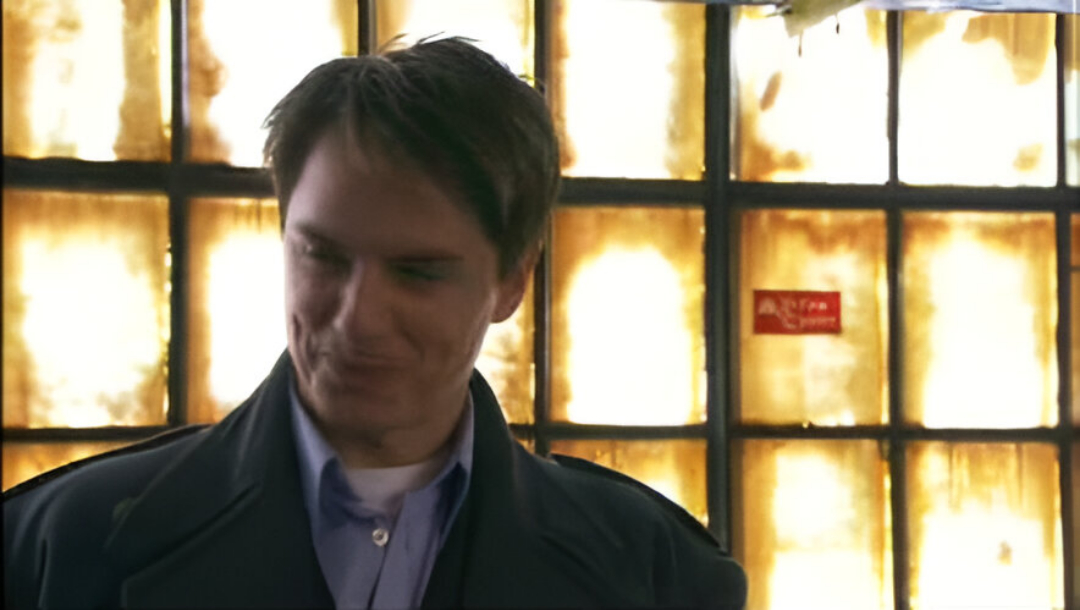
“May 3, 2021, my world shattered and everything changed for me,” he said. “It makes me sad because a lot of people who have attacked me are the people that I fought for to allow them to have a voice.”
Here’s where it gets complicated. While some viewed the accusations as a necessary reckoning, Barrowman maintains it was a “veiled homophobic attack,” executed by unnamed industry figures with long-simmering grievances.
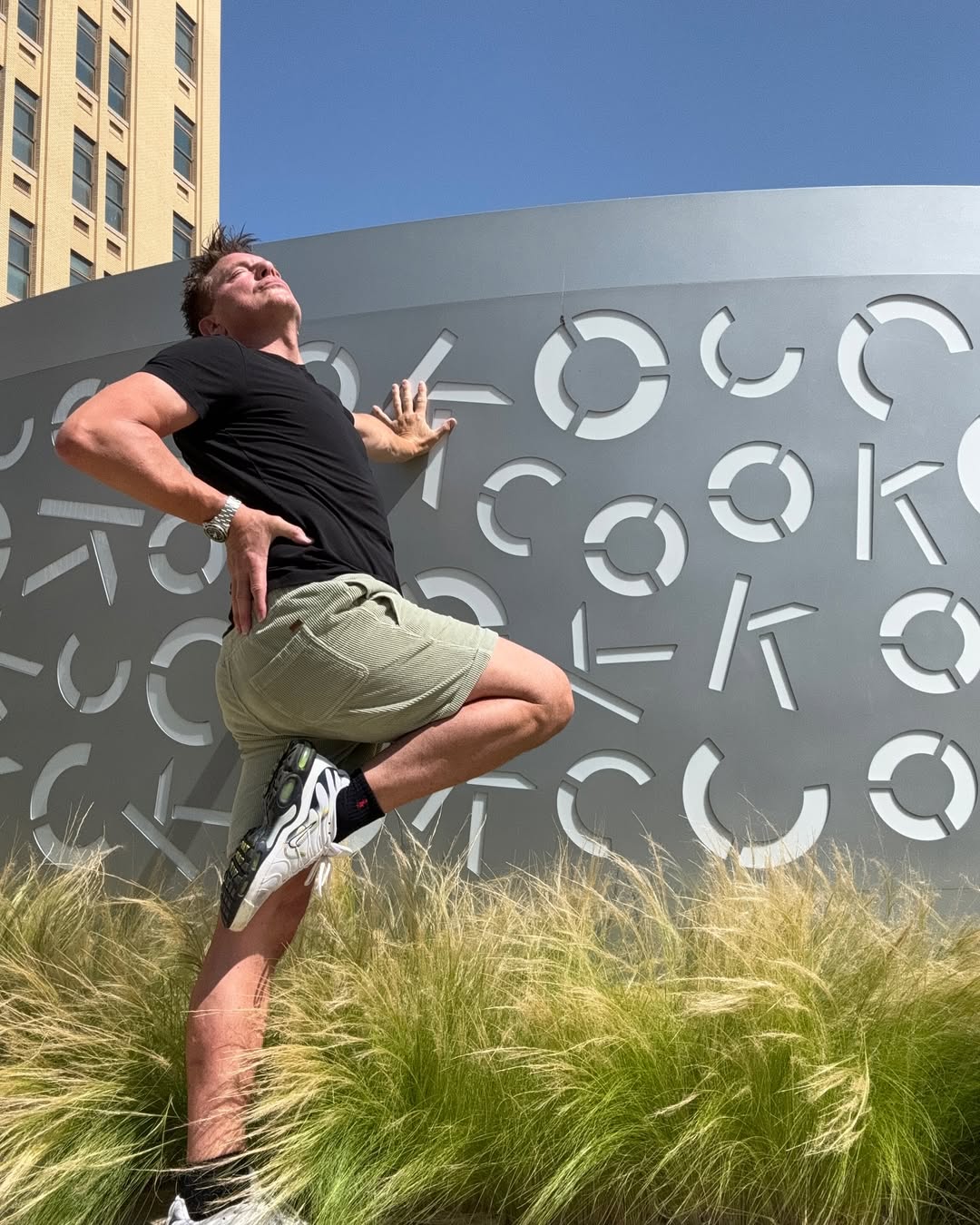
“They could not get me any other way but, ‘Oh, let’s get him because we’ve heard stories that he flashed and did certain stupid things on set.’ Now, the thing that upsets me the most is they tried to make it out that I was a sexual predator.”
Barrowman says the backlash nearly killed him—literally.
“I contemplated taking my own life a couple of times. I didn’t see a way out from it. Everything that I loved had been stripped away from me.”
He credits therapy and antidepressants with helping him survive the darkest period of his life.
The Power Dynamic Nobody Talked About
In what might be the most eyebrow-raising revelation of the interview, Barrowman claims that his nudity on set wasn’t a performance choice—it was practically a requirement.
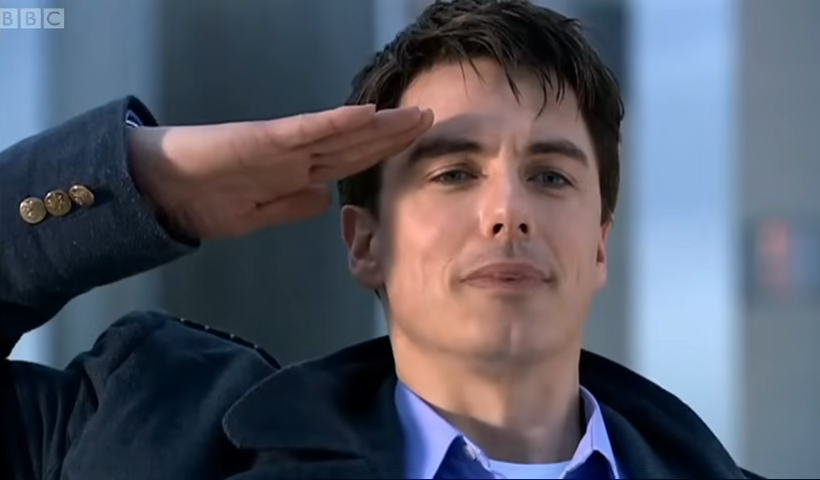
“I was the beefcake for Dr. Who. I was not asked about doing nude scenes or taking my clothes off in original contracts. It was written. So, therefore, if you want to talk about a power dynamic, I thought if I didn’t do the stuff, I would lose my job. If you don’t do what’s written in the script. And, as an actor, that’s what I do.”
The irony isn’t lost on him: in a climate where consent is rightfully a hot-button topic, his own discomfort on set was never discussed.
“However I made myself feel comfortable, however wrong you think it was, at that time I was making myself feel comfortable in the situations that I was standing naked or doing whatever.”
The Silence That Cut Deeper Than Words

Perhaps most painful of all for Barrowman was the silence from those he considered allies, particularly within the LGBTQ+ community and his professional circle.
“I’m most disappointed in the way my colleagues in the industry didn’t speak up, did not step forward and say ‘This is ridiculous. This is stupid.’ Listen, I’d never do it again. Ever. We learned from what’s happened.”
And yet, despite the loneliness, the ostracization, and the Twitter mob justice, Barrowman is still here, still standing—and still very much himself.
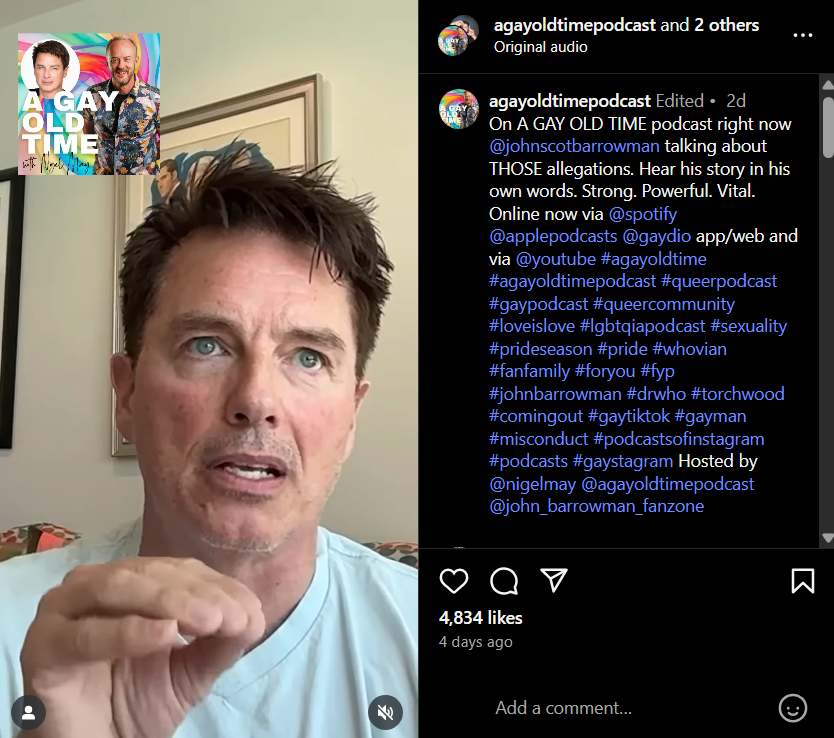
“It’s hard to talk about because it upsets me and I get upset and still a little bit depressed when I sit and think about and hear about all the stuff people say about certain things in our community and I’m like, ‘I could help, I could do stuff!’ But nobody wants to touch me.”
Still, don’t mistake this for a pity party. Barrowman made one thing abundantly clear: “I’m not asking for sympathy from anybody. I don’t want anyone’s sympathy. I’m just telling you my side.”
Final Act Pending
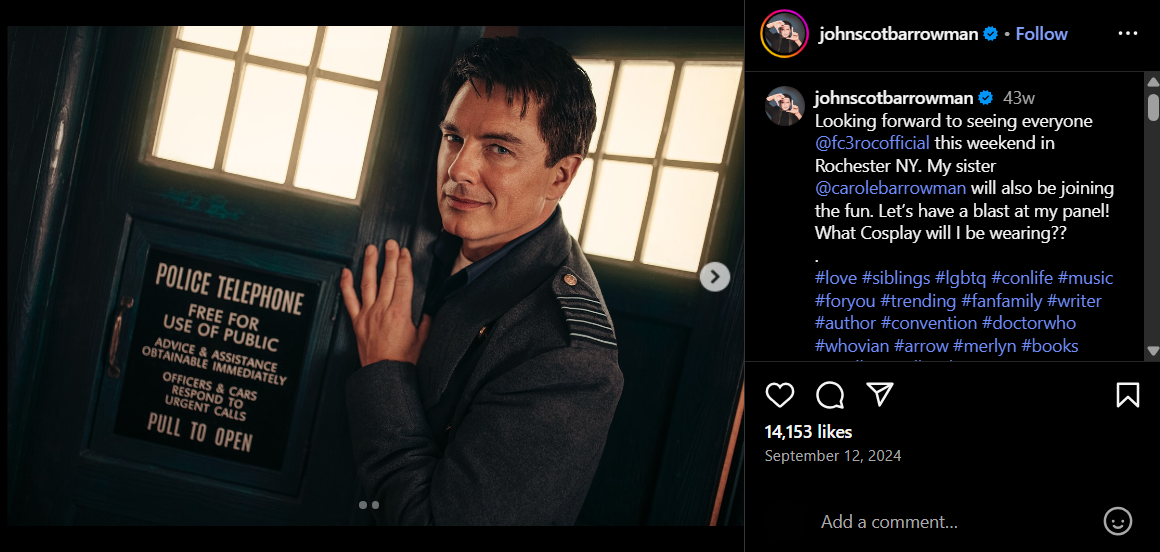
Whether you see Barrowman as a victim of a hypersensitive culture, a relic of bygone on-set antics, or a man learning the hard way how not to joke around at work—it’s clear he’s not finished. Cancelled? Maybe. But defeated? Absolutely not.
If Barrowman taught us anything as Captain Jack Harkness, it’s that time travel’s not always pretty, the universe can be unjust, but queerness? Queerness endures.
And sometimes, the best way to fight back… is to keep singing.
Listen to the full podcast below.
Damn shame. When the story first hit, my only reaction was, ‘so what?’