


Somewhere between “streaming your favorite comeback at 2 a.m.” and “arguing over gay fan-fiction and photocards on social media,” most K-pop fans probably didn’t expect “forced labour sentence” to enter the chat. Yet here we are.
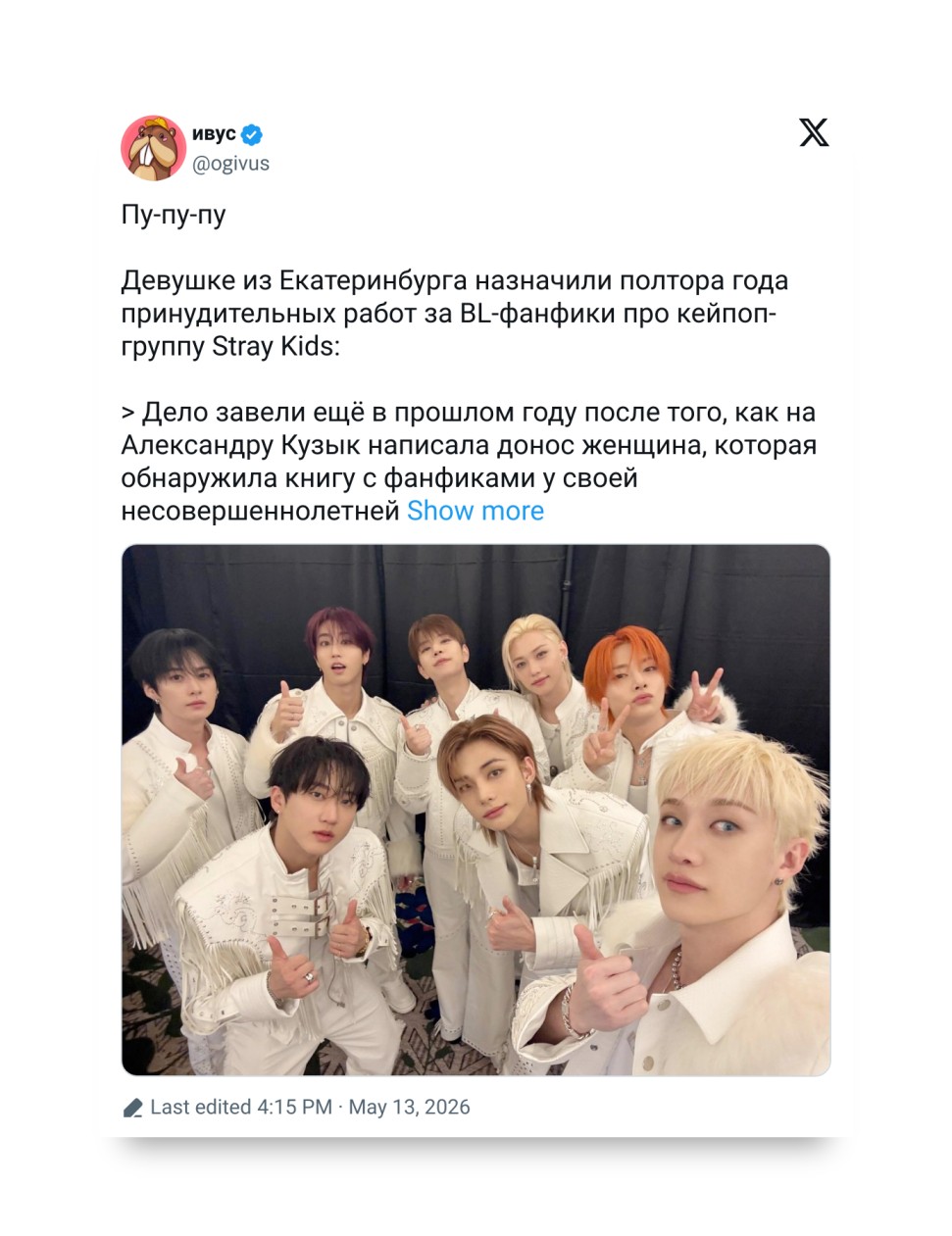
A 36-year-old Russian woman has been sentenced to 18 months of forced labour after writing gay fan-fiction about Stray Kids — yes, fan-fiction — in a case that sounds less like reality and more like a dystopian drama written by someone who thinks AO3 is a national security threat. Because apparently in 2026, yearning is now contraband.
RELATED: BTS’s V Sends Fans Into Frenzy with ‘Kissing’ Slip to Jungkook
Stray Kids, Telegram, and a Government-Sized Overreaction
According to reports, photographer and stylist Alexandra Kuzyk admitted to writing stories depicting same-sex romance involving members of the group behind God’s Menu, Maniac, and Case 143. The fan-fiction was reportedly discovered after a mother found it on her underage daughter’s Telegram account.
And from there? Russian authorities reacted like someone leaked nuclear codes instead of fictional hand-holding between K-pop idols.
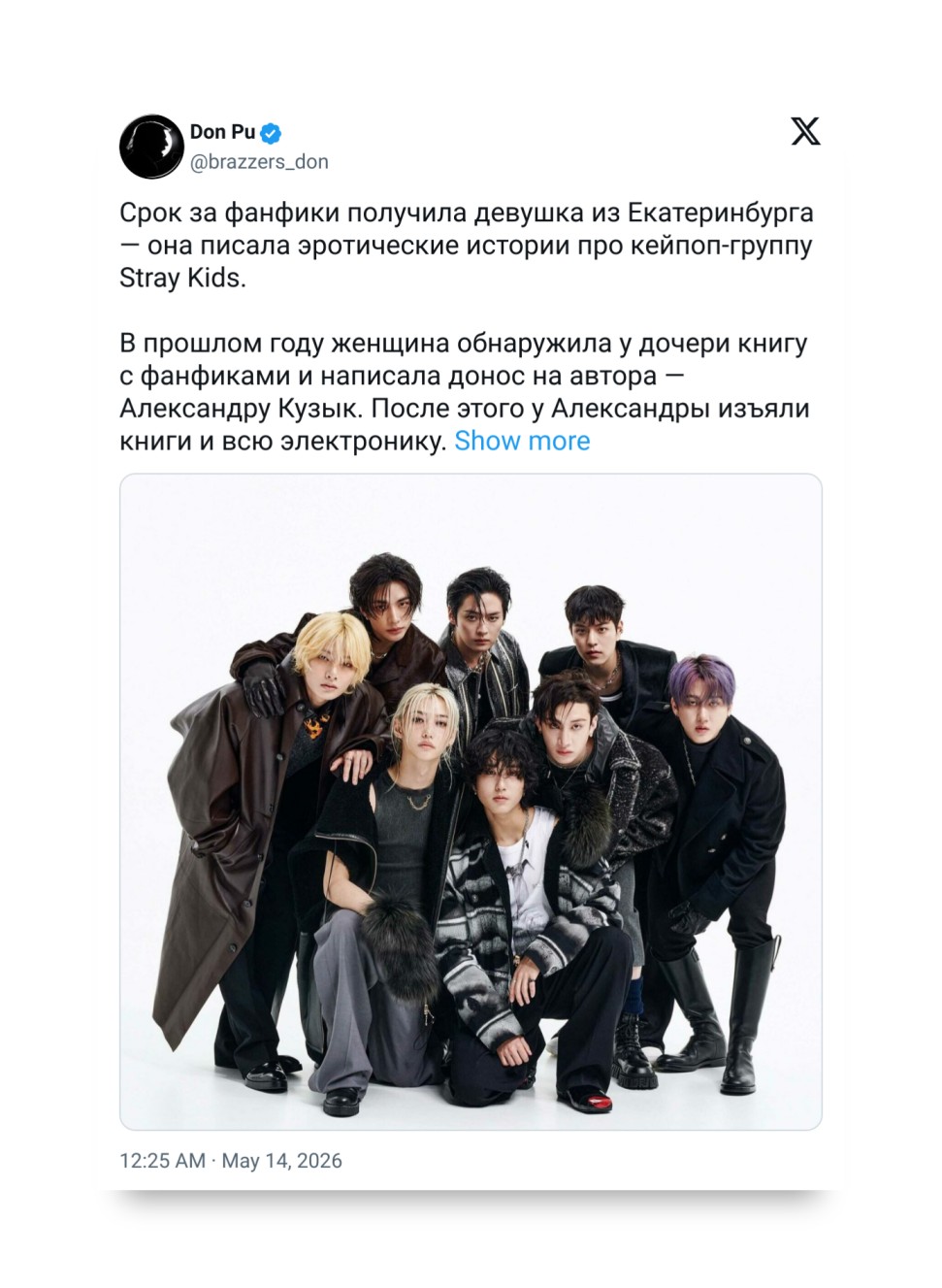
Police reportedly searched Kuzyk’s home and found two books of gay fan-fiction as well. Which, if you’ve spent more than five minutes in fandom culture, sounds less like evidence of criminal activity and more like the average shelf of someone who has opinions about subtext.
Kuzyk admitted guilt during the trial and emphasized that writing fan-fiction was simply a hobby. Not a business. Not an underground operation. Just fandom behavior. The same internet pastime responsible for millions of enemies-to-lovers slow burns and emotionally devastating airport scenes.
AO3 Girls Everywhere Just Felt a Chill
Russian prosecutors charged Kuzyk with “Illegal production and circulation of pornographic materials or objects using mass media or information and telecommunications networks, including the Internet.” That sentence alone sounds like it was generated by a villainous fax machine.
Prosecutors initially pushed for a four-year prison sentence before the court instead sentenced her to 18 months of forced labour. On top of that, 10% of her wages will reportedly go to the state. Imagine explaining to someone in 2014 that one day governments would be financially benefiting from confiscated fan-fiction income while stan accounts are still arguing about line distribution.
Kuzyk also reportedly said there were no printed copies being sold or distributed at the time of the investigation, and that the stories had ended up on the young girl’s Telegram channel. Still, the punishment sends a deeply chilling message to LGBTQ+ people and fandom communities alike: even fictional romance can become grounds for state punishment under increasingly extreme anti-LGBTQ+ laws.
Russia Continues Its Villain Origin Story
This case is part of Russia’s broader crackdown on LGBTQ+ expression under Vladimir Putin’s government. The country first banned so-called LGBTQ+ “propaganda” involving minors back in 2013. Then in 2022, the law was dramatically expanded to effectively outlaw public expressions of LGBTQ+ life altogether. By 2023, Russia’s Supreme Court had declared the “international LGBT social movement” an “extremist organization.”
Which remains one of the most absurdly dystopian phrases ever assembled in the human language. And the crackdown has only escalated. In 2026 alone, authorities have reportedly charged streamers over the gay hockey drama Heated Rivalry, raided an LGBTQ+ publishing imprint, fined a man for posting a drag queen photo, and even banned scientific discussion about same-sex animal behavior.
RELATED: Russia’s Heated Rivalry: When a TV Review Becomes a Legal Battle
At this point, the government is treating queer existence like it’s an Avengers-level threat.
The Real Panic Is About Queer Fiction and Queer Joy
What makes this story especially bleak is that fan-fiction has always been one of the internet’s most harmless little ecosystems. It’s people being dramatic online. Sometimes beautifully written, sometimes held together by pure delusion and caffeine, but ultimately rooted in imagination and community.
For a lot of LGBTQ+ people, fandom spaces became places to explore identity safely long before the real world felt safe enough to do it openly. That’s part of why stories like this hit so hard.
Because underneath all the absurdity — the police searches, the criminal charges, the terrifyingly serious response to fictional romance — there’s a very real attempt to erase queer visibility from public life entirely.
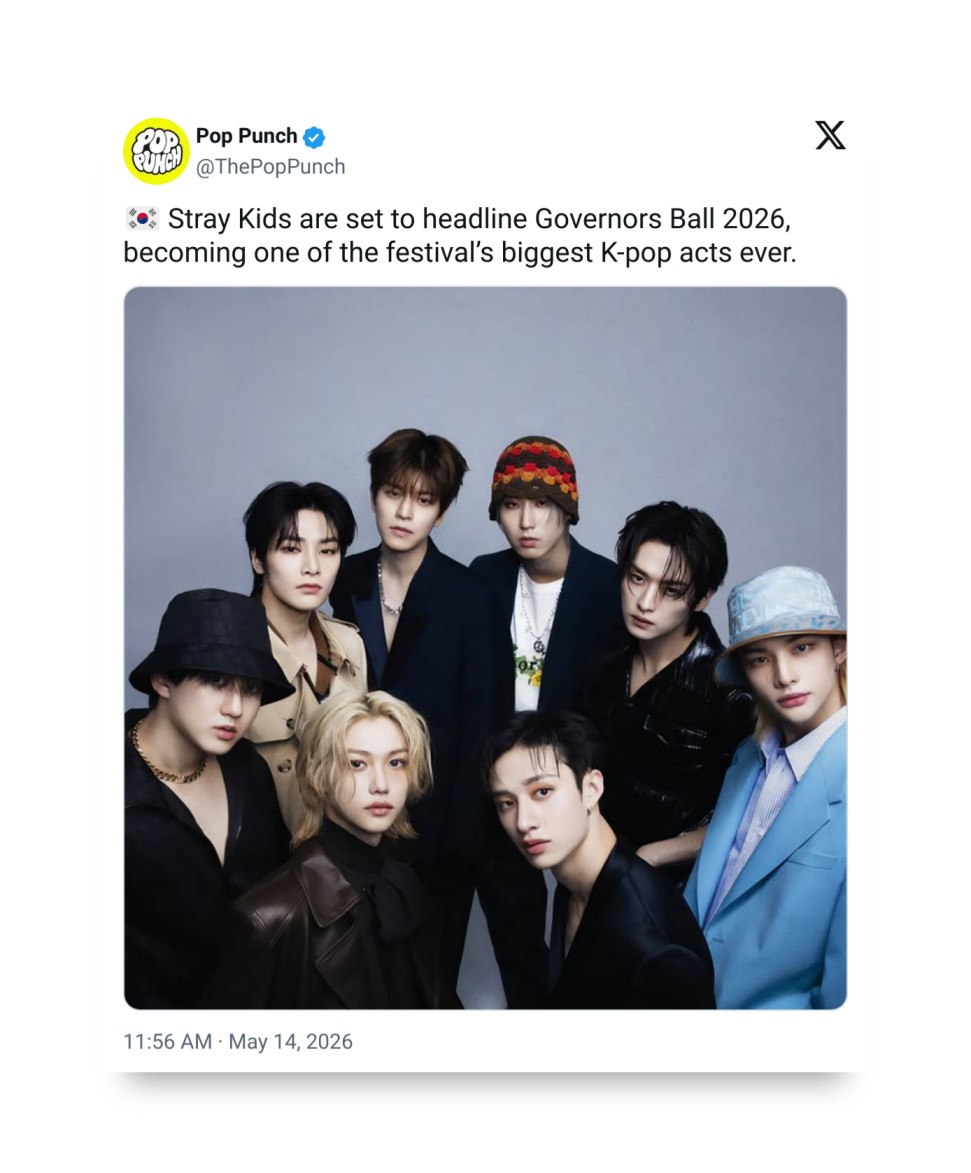
Still, there’s something darkly hilarious about a government seeing gay Stray Kids fan-fiction and responding like the final boss music just started playing.
What do you think about the case — and the growing crackdown on LGBTQ+ expression in fandom spaces around the world?