


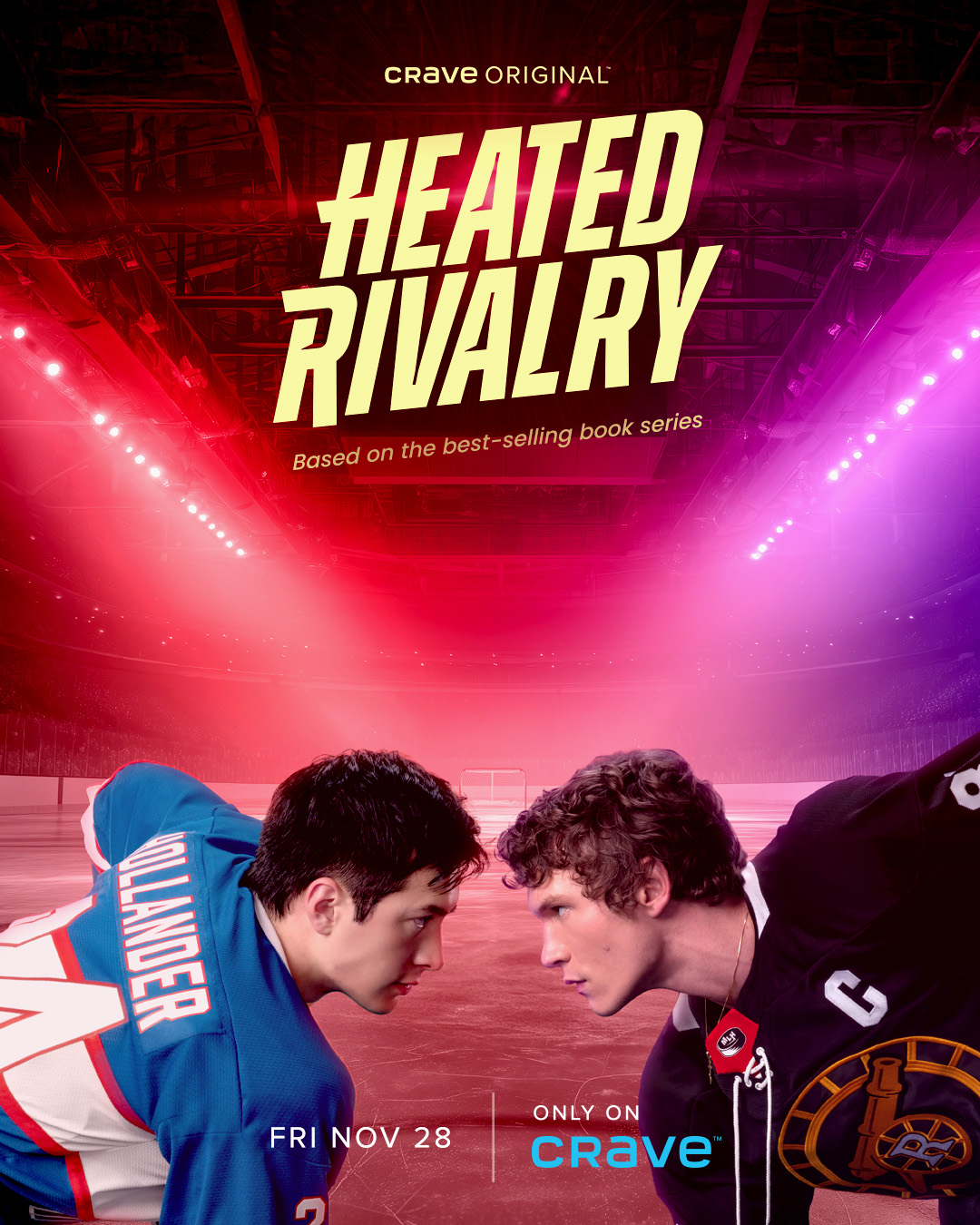
Russia is no stranger to bad reviews, glowing reviews, and then there are reviews that cost half a million roubles (around $6,600). That’s the situation a Russian news outlet found itself in after publishing a piece about Heated Rivalry—a hockey romance series that, depending on where you live, is either binge-worthy drama or, apparently, grounds for legal action.
RELATED: F*ck, Kiss, Marry, Friendzone: Re-Ranking Heated Rivalry’s Hottest Men
Russia’s Fine Print: A Review, a Fine, and a Very Expensive Opinion
A court in Saratov didn’t see harmless entertainment commentary—it saw “LGBT propaganda.” The Oktyabrsky District Court fined SaratovBusinessConsulting (SarBC) 500,000 roubles (about $6,600) after the outlet published an article titled Why Did ‘Heated Rivalry’ Become Popular? in February. The piece didn’t stay up for long—it was quickly taken down—but the consequences stuck. Even the outlet’s IT director, Andrei Bashkaikin, was separately fined 50,000 roubles (roughly $660).
RELATED: ‘Queer as Folk’ Creator Loves ‘Heated Rivalry.’ Remind
One anonymous employee made it clear just how ordinary the article was when speaking to Mediazona: “There’s a certain TV series that’s being actively discussed right now,” they said. “The article just came from a link exchange. It was published for a short time, but we quickly took it down. It’s a harmless review, the kind of which is all over the internet.” Harmless, it turns out, is doing a lot of heavy lifting.
Heated Rivalry and the Law Behind the Panic
To understand how a TV review ends up in court, you have to look at Russia’s legal framework. The country’s so-called “anti-LGBTQ law,” introduced in 2013, originally focused on restricting exposure of “non-traditional family values” to minors. By 2022, it had expanded into a full ban on what authorities label “LGBT propaganda” for all ages. In 2023, the Supreme Court of Russia went further, declaring the so-called “international LGBT movement” an extremist organisation—effectively tightening the scope of what can be said, shared, or even acknowledged.

Oversight falls to Roskomnadzor, which regulates online content and enforces these restrictions. In cases like this, it’s not just about what’s said—it’s about whether it’s allowed to exist in the first place.
When Fiction Feels Too Real
At the center of all this is Heated Rivalry, based on the novel by Rachel Reid. The series explores a secret romance set against the backdrop of professional hockey—a premise that, in many parts of the world, reads as familiar: high-stakes sports, emotional repression, slow-burn tension. In Russia, even acknowledging that storyline publicly can be treated as a political act. The irony isn’t subtle—a show about hiding a relationship lands in a place where hiding isn’t just narrative tension, it’s reality.
“Weaponises” Isn’t an Overstatement
International groups have been blunt in their response. Human Rights Watch, through its Europe and Central Asia director Hugh Williamson, didn’t soften the language: “Russian authorities weaponise and misuse the justice system as a tool in their draconian crusade to enforce ‘traditional values’ and marginalise and censor LGBT people,” Williamson said. He added, “Russia’s international partners should call on the government to end its persecution of LGBT people and their supporters… Other governments should also provide safe haven and meaningful protection to those fleeing Russia for fear of prosecution based on their sexual orientation or gender identity, and their public expressions of support for LGBT rights.”
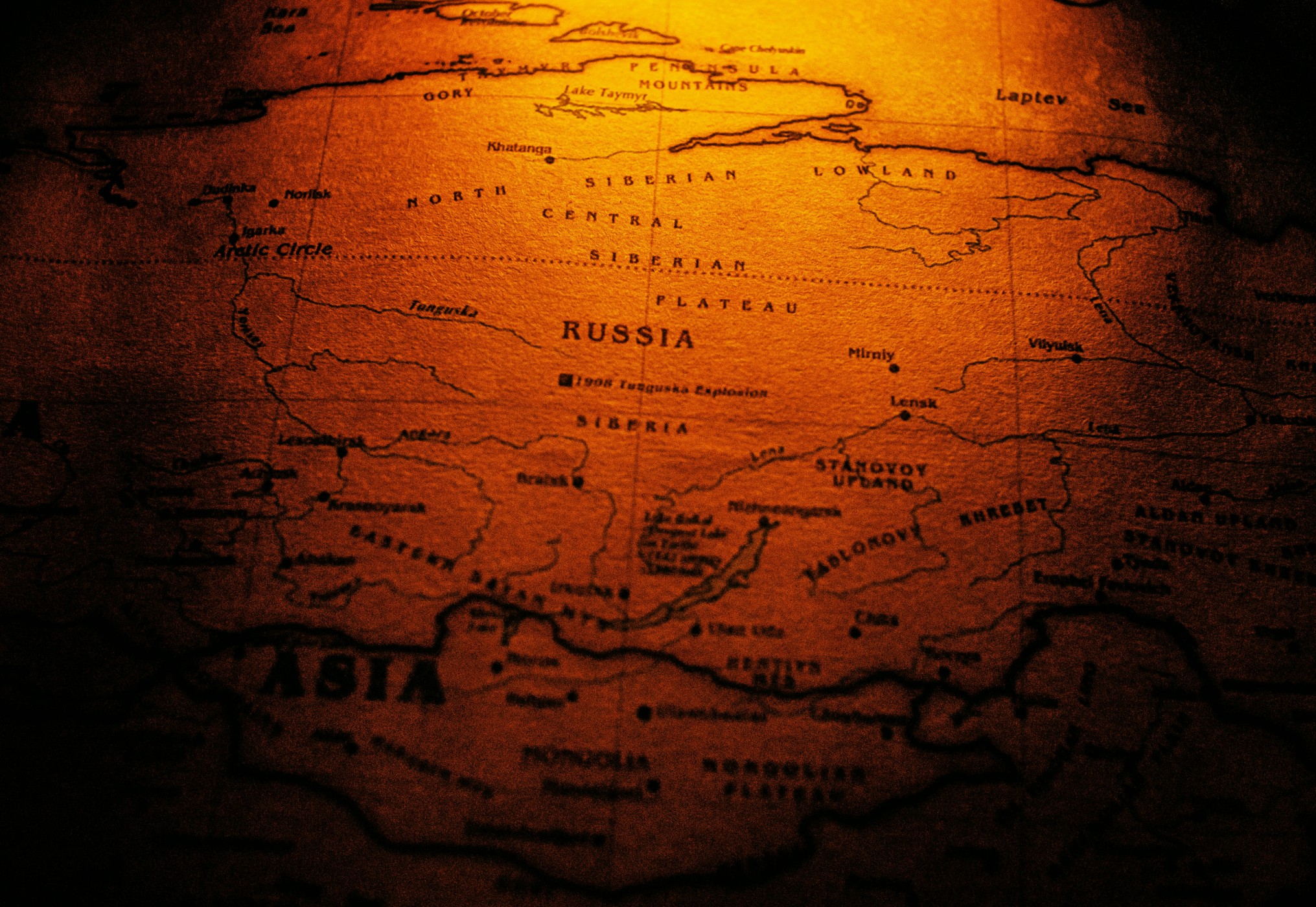
The pressure isn’t limited to media outlets. Groups like ILGA World have also been targeted, after being labeled an “undesirable organisation” by Russia’s Ministry of Justice. Still, its executive director Julia Ehrt pushed back: “No matter how much governments will try to legislate LGBTI people out of existence, movements will stay strong and committed, and solidarity remains alive across borders.”
A Review That Said Too Much—Or Just Enough
What stands out isn’t just the fine—it’s how little it took to trigger it. No protest, no manifesto, no call to action. Just a review. In many places, writing about a show like Heated Rivalry is the easiest kind of content to produce: recap the plot, note the buzz, maybe mention the chemistry. In Russia, that same act can cross a legal line. And that’s the point—when even casual discussion becomes risky, silence isn’t accidental, it’s engineered. Meanwhile, the show itself isn’t even available to stream there, which makes the situation even sharper: it’s not just about controlling what people watch, but what they’re allowed to say—even about something they can’t access in the first place.