


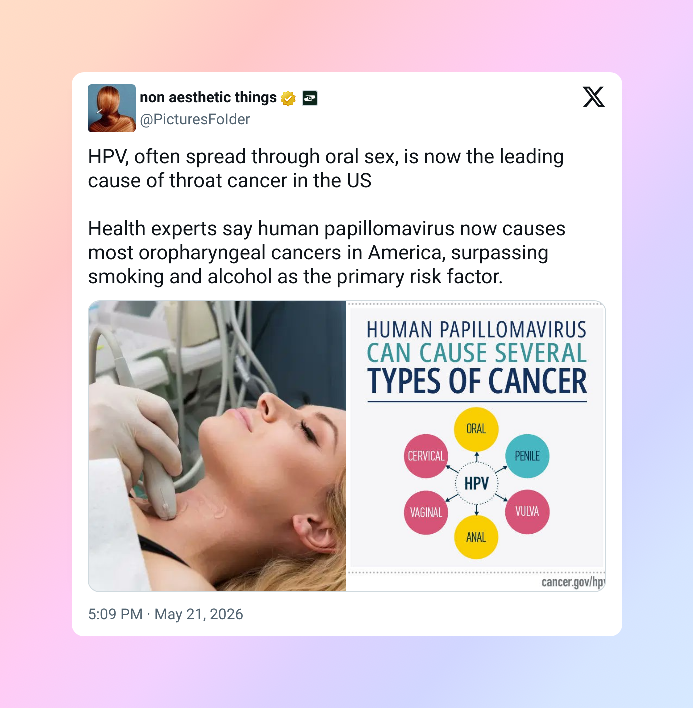
Throat cancer is not exactly the kind of topic people casually bring up over brunch or during group chats. But doctors and researchers are increasingly sounding the alarm about a form of cancer that has been steadily rising for years, particularly cancers linked to human papillomavirus, better known as HPV.

According to the American Cancer Society, rates of oral cavity and oropharyngeal cancers have been climbing steadily since the mid-2000s. Much of that increase is connected to HPV infections.
For 2026, the organization estimates there will be around 60,480 new cases of oral cavity or oropharyngeal cancer in the United States, along with approximately 13,150 deaths linked to those cancers.
The term “oropharyngeal cancer” refers to cancers found in parts of the throat behind the mouth, including the tonsils and base of the tongue. These cancers can also affect the gums, floor of the mouth, lips, and salivary glands.
While the average age of diagnosis is 64, doctors emphasize that younger adults are not exempt. In fact, more than 20% of cases occur in people younger than 55.
Why LGBTQ+ Communities Are Paying Attention
HPV is incredibly common and can affect anyone regardless of sexuality or gender. Still, conversations around sexual health, HIV status, stigma, and access to healthcare often intersect in LGBTQ+ communities in unique ways.
A 2025 meta analysis led by Dr. Antonio Bandala-Jacques and researchers at the Johns Hopkins Bloomberg School of Public Health examined the incidence of oropharyngeal cancer in the United States. The findings revealed that incidence rates have continued to rise over the past two decades.
Researchers found that the highest incidence rate appeared in men living with HIV, with 35 cases per 100,000 person years of follow up. The study also noted that rates of oropharyngeal cancer in men are now higher than cervical cancer rates in women, despite both cancers often being associated with HPV.
The data also showed differences among demographics. Incidence rates were highest among heterosexual men and people who inject drugs, lower among gay and bisexual men, and lowest among heterosexual women.
Researchers additionally found that a history of smoking or alcohol abuse increased the risk of oropharyngeal cancer by roughly 30%.
As Dr. Bandala-Jacques concluded, “Oropharyngeal cancer is no longer a rare cancer in some people living with HIV.”
RELATED: Testicular Cancer Society Launches App to Remind Men About Monthly Self-Exams
What Symptoms Should People Watch For?
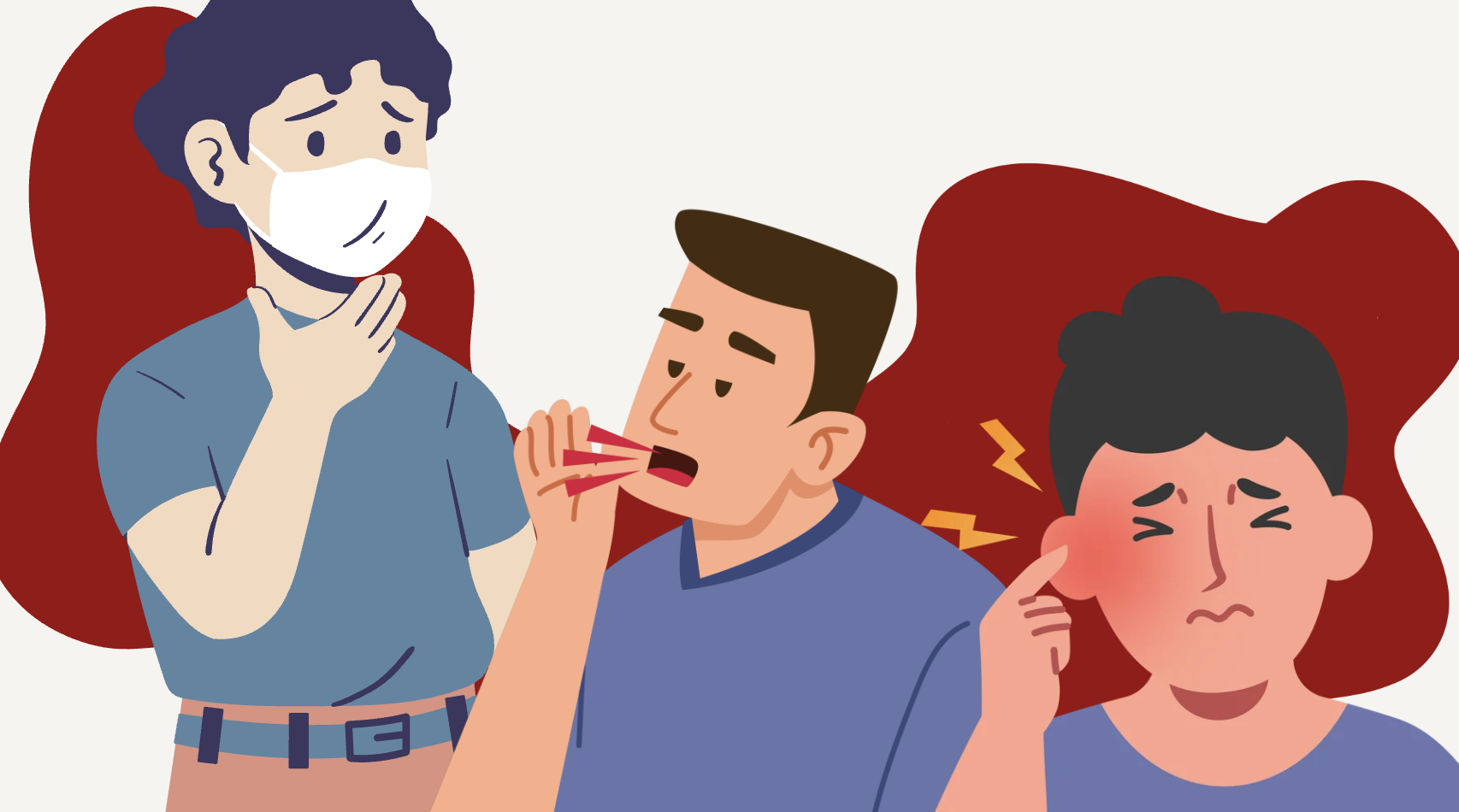
One reason throat cancer can become dangerous is because symptoms are often brushed aside as minor illnesses or temporary irritation.
Some possible warning signs include:
- A persistent sore throat
- Difficulty swallowing
- A lump in the neck
- Hoarseness or voice changes
- Ear pain
- Mouth sores that do not heal
- Unexplained weight loss
Of course, these symptoms do not automatically mean cancer. Many common conditions can cause them. But doctors recommend paying attention if symptoms linger or worsen over time.
Prevention Matters More Than Ever
Health experts continue to stress that prevention and early detection can make a major difference.
The HPV vaccine remains one of the most important tools available. Originally associated heavily with cervical cancer prevention, the vaccine is now increasingly recognized for helping prevent HPV related cancers affecting the throat and mouth as well.
Reducing smoking and excessive alcohol use can also lower risk factors connected to throat cancers.
Equally important is regular healthcare access and honest conversations with medical professionals. For many LGBTQ+ people, navigating healthcare systems can still feel uncomfortable or stigmatizing, especially when discussing sexual health. But open communication can help identify risks earlier.
A Health Conversation Worth Having
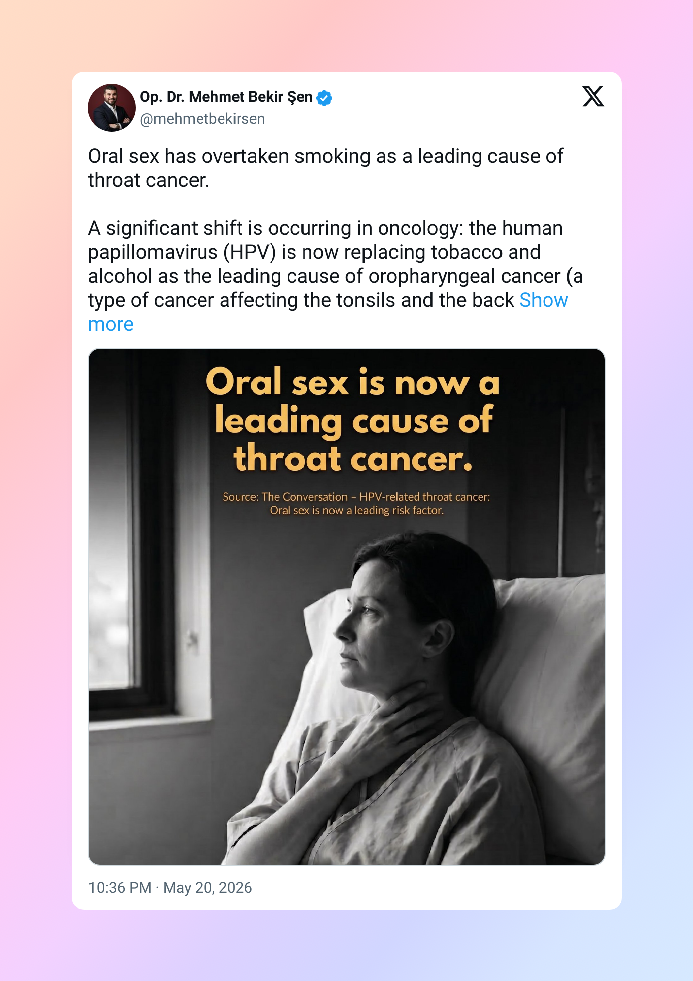
For years, HPV discussions largely focused on women’s health, especially cervical cancer. But rising throat cancer rates are changing that conversation quickly.
Doctors are now urging people across all communities, including LGBTQ+ communities, to think more broadly about HPV, long term health risks, and preventative care.
Because while throat cancer statistics may sound clinical on paper, the reality behind those numbers is deeply personal. Awareness, vaccination, early screenings, and reducing stigma around sexual health conversations could genuinely save lives.