


Pride celebrations are meant to bring people together, but the internet is real, and so are the threats. That reality is once again at the center of a federal criminal case after a New Mexico man was accused of posting threatening comments targeting a Pride event in Texas.
RELATED: Pornhub’s Name Surfaces in Deadly Montreal Shooting Investigation
According to federal authorities, Michael Kenneth Thompson, of Clovis, New Mexico, has been charged with interstate threatening communications after allegedly posting comments on Facebook about a Pride event in Lubbock.
When online comments stop being “just words”
According to a criminal complaint filed Monday in the U.S. District Court for the District of New Mexico, the FBI’s National Threat Operations Center received an anonymous tip on Saturday regarding comments Thompson allegedly made beneath a Lubbock Avalanche-Journal Facebook post promoting a local Pride event.
The complaint states that Thompson posted: “soooooo whatcha saying is it’s Hunting Season” and “nothing that a little target practice can’t fix.”
The FBI also says the same Facebook profile responded to another user by writing, “I don’t need help just more ammo!”
For many LGBTQ people, comments like these don’t exist in a vacuum. Pride events are meant to be spaces where people can celebrate, connect with their community, and be visible without fear. When messages referencing violence appear beneath posts promoting those gatherings, they can understandably leave people feeling uneasy—regardless of whether the person posting them later claims they weren’t serious.
The FBI acted on the tip
After receiving the anonymous report, FBI agents coordinated with Clovis police to identify and contact Thompson in order to assess the situation.
RELATED: Two Court Cases: Refusing Gay Weddings Paid More Than Coming Out.
According to the complaint, Thompson admitted making the Facebook posts. He reportedly told investigators he was “stupid for it” and said he deleted the comments afterward.

Federal agents arrested Thompson at his Clovis home on Sunday. The complaint says Thompson later told investigators he was “just running his mouth” and insisted he never intended to shoot anyone.
Whether those explanations ultimately affect the legal outcome will be determined through the court process. The charge itself reflects that federal authorities considered the reported online statements serious enough to pursue.
A reminder that online threats have real-world consequences
This case began with an anonymous tip submitted to the FBI’s National Threat Operations Center, underscoring how threatening social media posts can quickly come to the attention of law enforcement.

It also serves as a reminder that comments posted online don’t always stay online. Once they are reported, they can trigger investigations, interviews, arrests, and criminal charges—even if the person who wrote them later says they were only venting or “just running” their mouth.
For LGBTQ communities, stories like this are another reminder that Pride celebrations exist alongside ongoing concerns about hostility directed at public events. While the overwhelming majority of attendees simply want to celebrate with friends, family, and allies, threatening rhetoric can cast a shadow over Pride gatherings meant to foster joy and belonging.
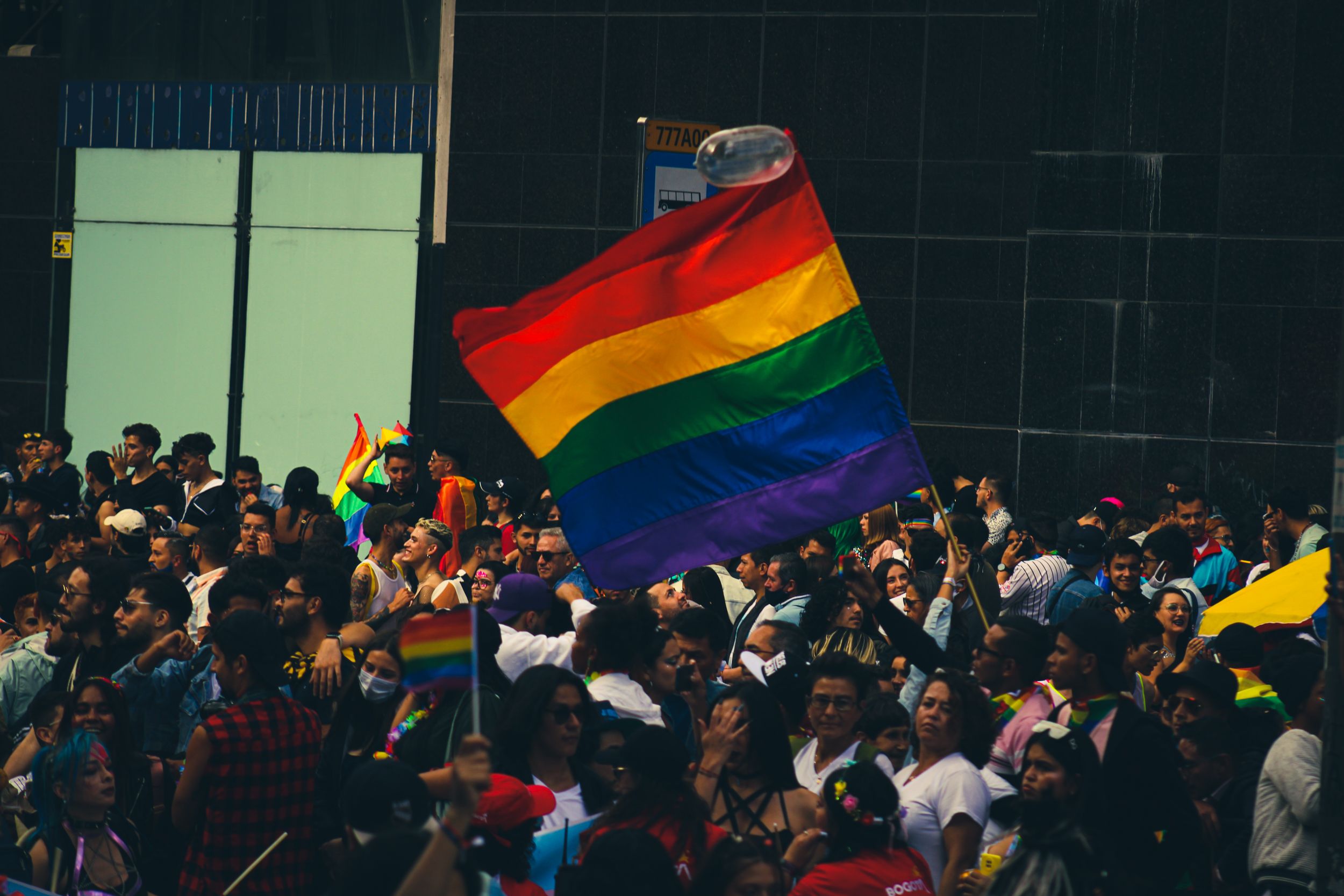
The rainbow flags will still fly. The music will still play. The community will still gather. And for many people, that’s exactly why threats aimed at Pride events are taken seriously.
What do you think? Should people who post violent comments online face criminal charges even if they later claim they were “just running their mouth,” or should intent carry more weight than the words themselves?
Source: ABC15