


UK politics has been behaving like it’s been left unsupervised in a group chat where nobody agrees on the rules, the tone, or whether this was meant to be professional in the first place. This week’s highlights: a councillor’s adult-content double life, a resignation that reads like a press release written under emotional strain, and a public confirmation that two politicians are, in fact, not dating each other. Democracy, but make it tabloid-coded.
RELATED: Gay Dads Speak Out After Clash W/ MAGA Influencer Sparks Legal Battle
When UK politics refuses to stay in a separate folder
It started in Reform UK, where a newly elected councillor’s political career in UK politics collided with his online persona in the most 2026 way possible: publicly, quickly, and with screenshots already doing the rounds before the statement cycle even caught up.
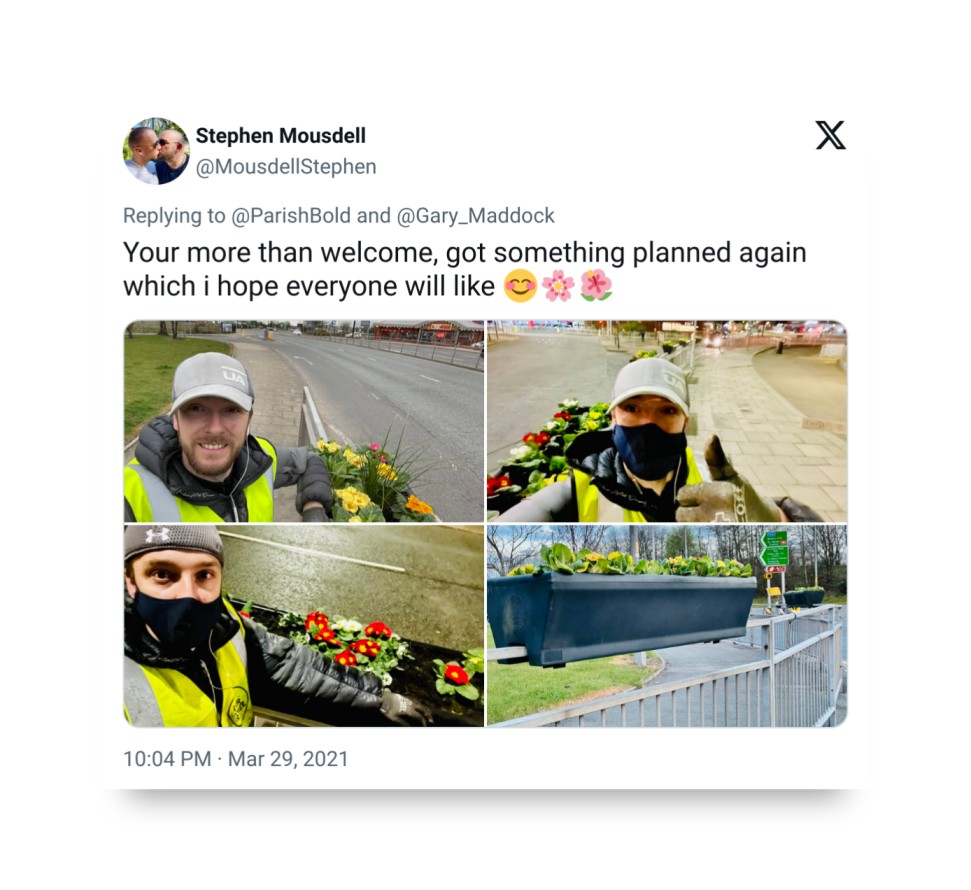
The councillor, elected in Haydock, was revealed to also perform in adult films under a separate name on subscription platforms. Once the link became widely known, his position in office became untenable, and he resigned shortly after. But the interesting part wasn’t just the resignation — it was the language around it, and what it revealed about how politics is still trying to process internet-era identity.
RELATED: Botswana Laws Finally Ditches Its Anti-Gay Rule
A Reform UK spokesperson leaned on legality and consent, saying: “While Cllr Mousdell’s lifestyle choices may not be to everyone’s taste, he has not broken the law. What consenting adults do in their private lives is their own business.”
They added that voters were already aware of his broader public presence before the election and still elected him, framing it as a matter of democratic choice rather than scandal. Still, the underlying tension remained: not whether something was legal, but whether modern political life can realistically pretend that separate identities stay separate anymore.
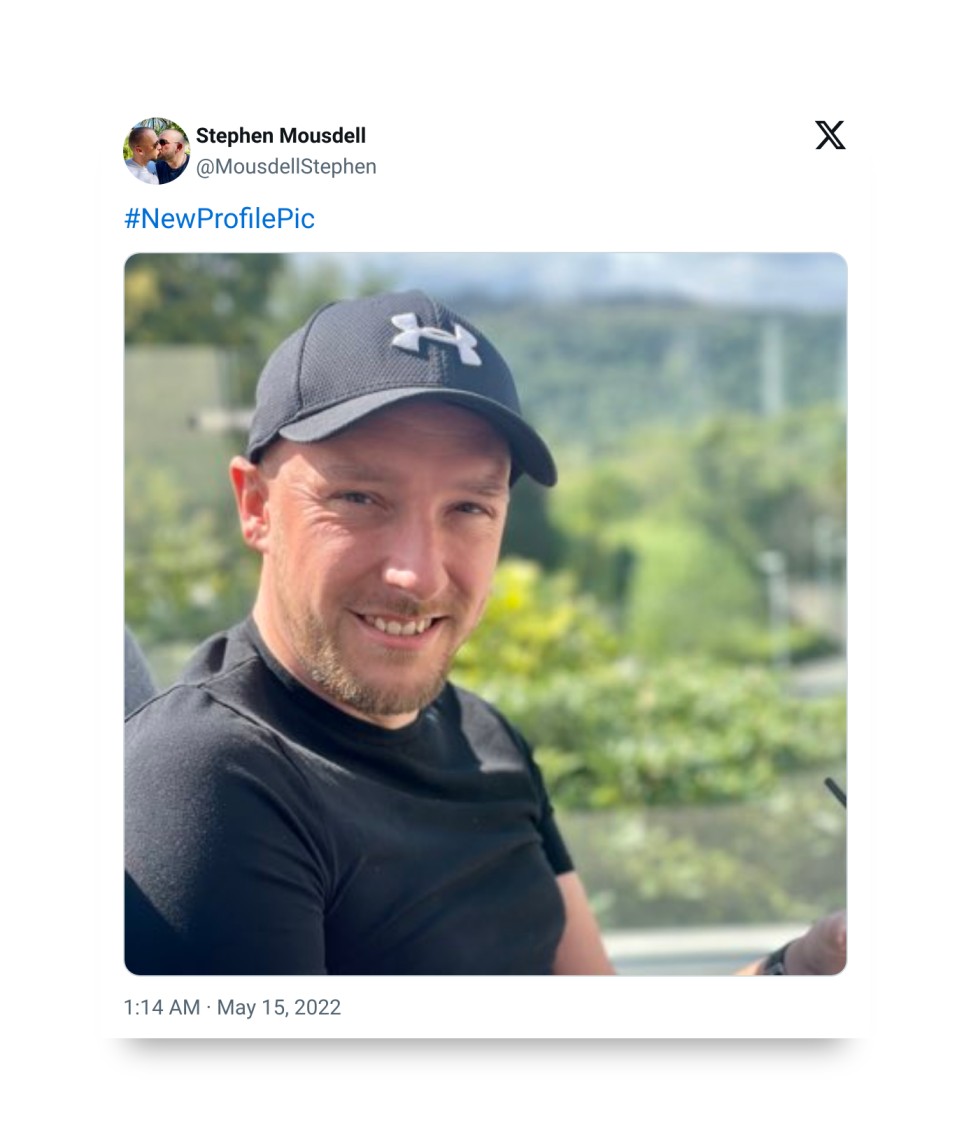
In his own statement, the councillor pushed back against the idea that he had done anything wrong, describing pressure from multiple directions — media scrutiny, political pressure, and expectations about what a public official should or should not be. He was clear about refusing to apologise for his adult work, insisting he had “done no wrong doing” and rejecting the idea that he should distance himself from it to remain in office.
The line that stands out most, though, is simple and unfiltered:
“I am, who I am.”
It’s not a slogan designed for politics, but it might be the most honest thing said in the entire episode.
Meanwhile, Westminster briefly investigates a relationship that never existed
While one corner of UK politics was dealing with exposure and resignation, another briefly had to deal with something much softer: a romance that never happened and was never real, but still managed to require clarification.
A social media comment floated the idea that two UK politicians, Zack Polanski and Wes Streeting, had once dated, turning an idle hypothetical into something that, in the modern attention economy, still needed to be addressed.
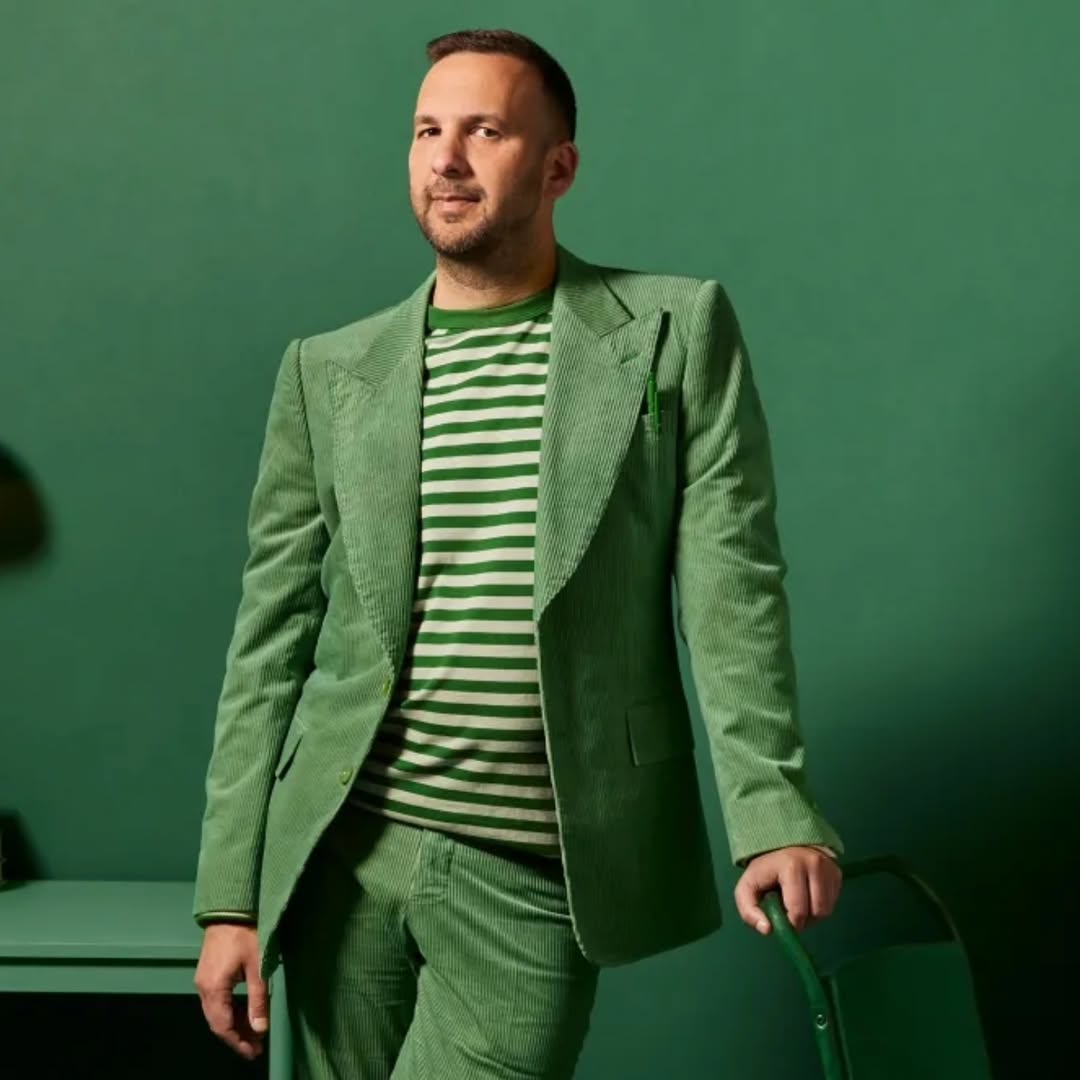
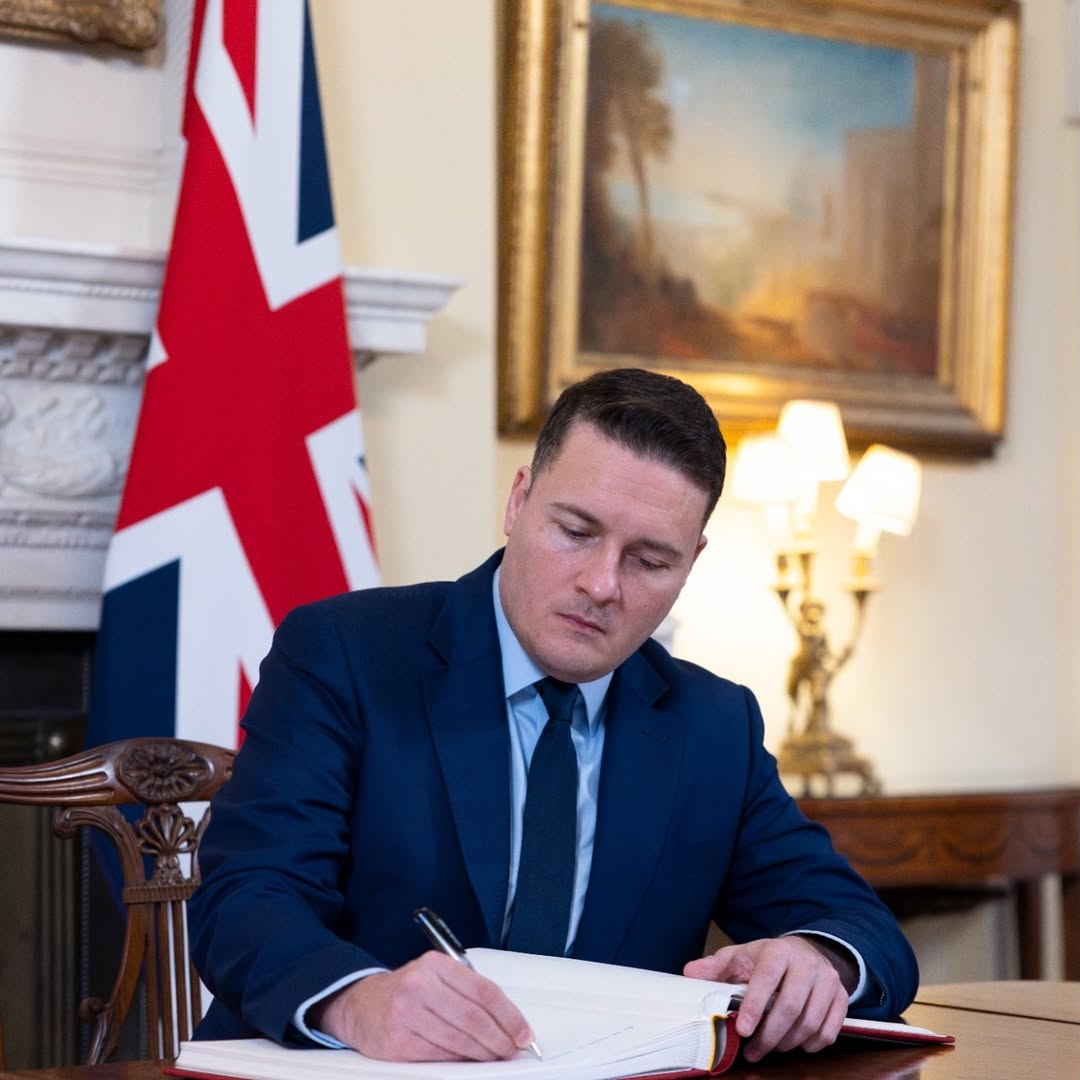
Polanski shut it down directly: there had never been any romantic relationship between them. No ambiguity, no hidden backstory — just a clean correction to a narrative that only existed for a few hours online.
It was the kind of moment that says less about the people involved and more about the environment they’re in: one where even invented stories briefly become part of the political weather system.
A more serious register underneath the noise
Away from the noise of speculation, Zack Polanski has also been speaking in a more reflective register about exclusion, identity, and solidarity.
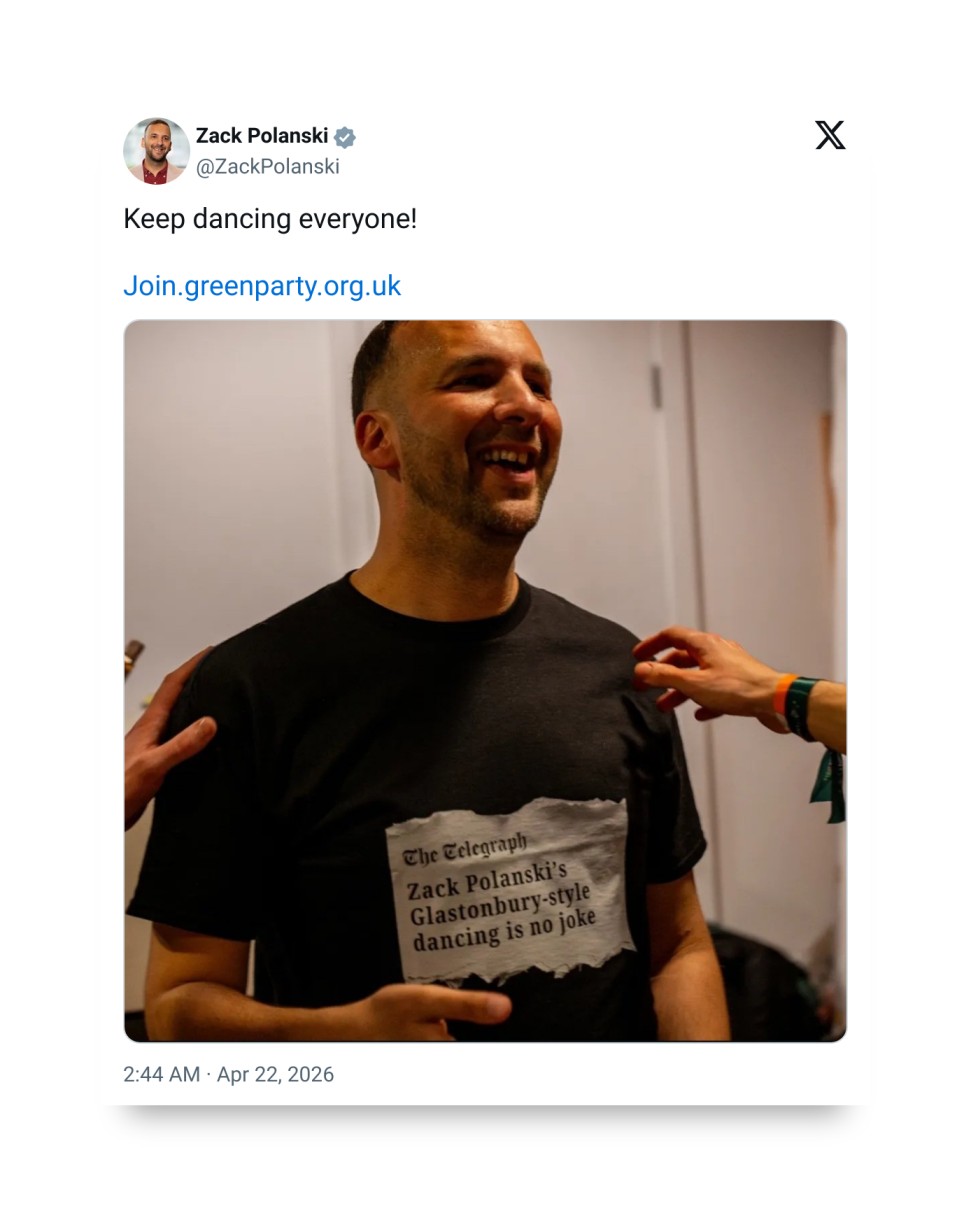
In a speech at a TransActual event, he reflected on growing up under Section 28 and what that experience meant in shaping his understanding of marginalisation. He spoke about how early experiences of being “othered” can shape a political instinct to recognise it in others.
“I often talk about with the media that I grew up in Section 28, and as a gay man and as a Jewish man I know what it’s like to be othered,” he said.
From there, his message broadened into something less about individual identity and more about shared experience — the idea that exclusion is not rare or exceptional, but something many people recognise in different forms.
“And you know what?” he continued. “That’s pretty much everyone in this country.”
The real story is exposure, not scandal
Taken together, the week isn’t really about any single controversy. It’s about what happens when politics no longer gets to decide what stays separate.
A councillor’s private and public lives no longer sit in different worlds once they’re searchable. A rumour about two politicians dating becomes something that needs formal correction. And even serious political messaging about solidarity exists in the same ecosystem that turns personal identity into rapid-fire content.
The result isn’t necessarily more scandal — it’s more visibility, with less distance between the different versions of a person.
UK politics hasn’t become stranger this week. It’s just become harder to keep anything in UK public life from being seen in full context, all at once, by everyone.
Source: LBC
You cant get more Far Right than Reform UK, headed by Nigel Farage. He’s a close friend of Trump and some Brits say he’s worse than Trump. The party statement regarding the politicians side work is hilarious as LGBTQ rights is not a thing for Reform UK.