


Fifteen years ago, the U.S. military finally stopped asking LGBTQ+ service members to make a choice between serving their country and being honest about who they were.
RELATED: Bestiality Becomes the Wildest Topic in Kash Patel’s Senate Hearing
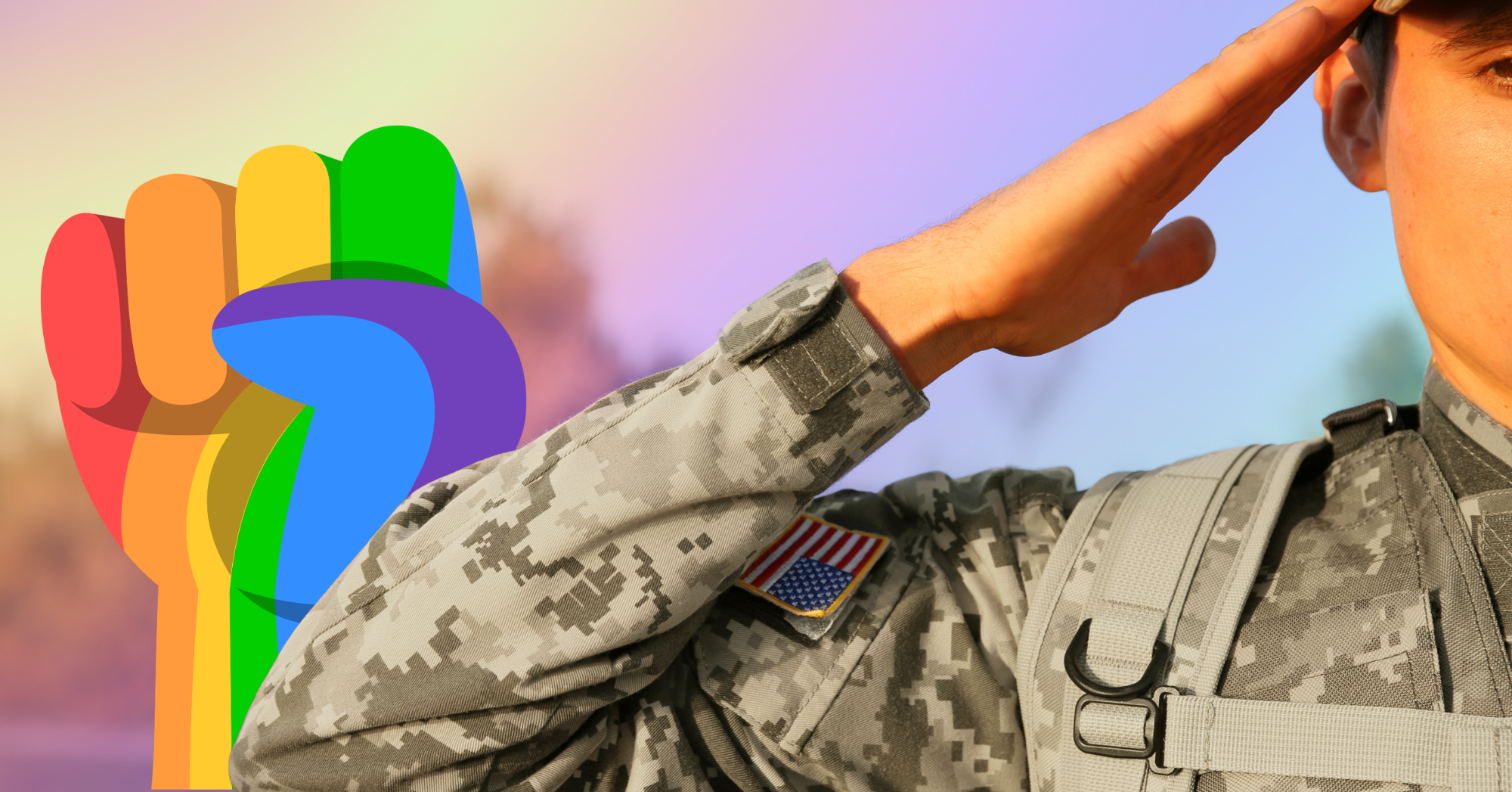
On September 20, 2011, the repeal of Don’t Ask, Don’t Tell officially took effect, ending a policy that had governed openly gay, lesbian and bisexual military service since 1993. For the people who had spent years keeping their relationships, identities and personal lives carefully out of sight, it was more than a policy change. It meant they could finally wear the uniform without treating their sexuality like classified information.
RELATED: Reflecting on ‘Don’t Ask, Don’t Tell’ 10 Years After Signing of Repeal
And 15 years later, the significance of that change is showing up in places far beyond the military.
The military policy that made silence part of the uniform
Don’t Ask, Don’t Tell was introduced during Bill Clinton’s presidency as a compromise over whether gay and lesbian Americans could serve openly in the armed forces.
Under the policy, service members could not openly discuss their sexual orientation or engage in sexual activity, while commanding officers were generally prohibited from asking directly about it. In theory, it represented a change from the outright exclusion of homosexual service members. In practice, it still required people to hide. And hide they did.
By 2008, more than 12,000 service members had been discharged under the policy for refusing or failing to conceal their homosexuality. The contradiction was difficult to miss. Someone could be trusted to serve, deploy and potentially risk their life alongside their fellow troops, while being told that one part of their identity had to remain invisible.
For LGBTQ+ Americans, the repeal therefore represented something particularly important: the end of institutional secrecy as a condition of military service.
Fifteen years later, the veteran identity gets to be the whole story
The repeal was signed into law by President Barack Obama on December 22, 2010, but it did not take effect immediately. The military first had to prepare new policies, regulations and training, followed by a mandatory 60-day period after Obama certified that the armed forces were ready. On September 20, 2011, the waiting finally ended.
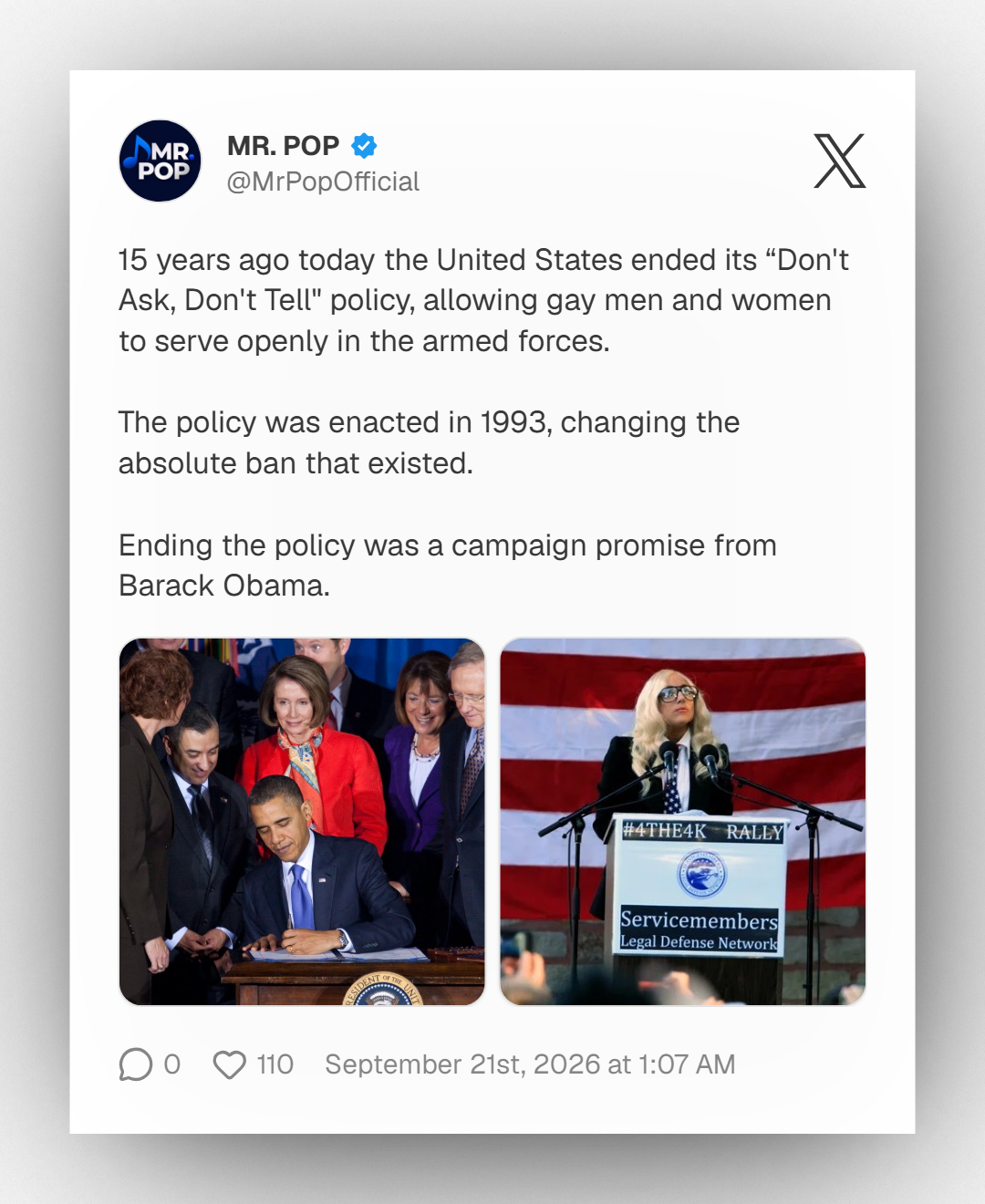
The timing has since taken on another meaning. Earlier this month, Alaska state Rep. Andrew Gray, an Army veteran, appeared before the Anchorage Assembly to ask that September 20 be recognized as LGBTQ Veterans Day.
His former command sergeant major, Mike Grunst, followed him. Grunst, a 35-year veteran who had served in combat, described troops who had served while hiding who they were as “the bravest I have ever served with.”
Then Denise Sudbeck, a Vietnam-era Navy veteran, spoke. She thanked the country for the privilege of serving and asked that future generations have the same opportunity. The Assembly approved the recognition.
There is something strikingly ordinary about that moment. A veteran asked his community for recognition. Another veteran stood beside him. A former commander spoke about the people he had served with. Another veteran spoke about the opportunity to serve.
Nobody needed to explain why their military service mattered. They were simply veterans. That may be one of the quieter legacies of the repeal.
When veterans come home, the conversation changes
Military service does not magically resolve America’s disagreements about LGBTQ+ rights. It should not have to. A person’s rights should not depend on whether they wore a uniform.

But service can create relationships that are harder to reduce to a political talking point. That has become especially visible in recent debates surrounding transgender military service.
When federal policy abruptly ended the careers of transgender servicemembers this year, veterans and servicemembers in California raised questions about what happens after those Americans leave the military.
At one hearing, Republican Assemblyman Jeff Gonzalez, a Marine combat veteran, listened as veterans discussed military medical care and deployment. The conversation eventually turned toward what happens after separation.
“I don’t wanna see any veteran homeless,” Gonzalez said.
Before the hearing ended, he was asking: “How can I help? How can I understand? How can I be a good advocate?”
The legislation that followed sought to provide housing, employment and transition assistance to discharged servicemembers. Republican state Sen. Shannon Grove supported it, and the Senate passed it 32 to 0.
Whatever one’s politics, there is a very human shift happening in moments like this. The abstract argument becomes a person. The person becomes a veteran.
And suddenly, the conversation is no longer only about a category of people. It is about someone who served, someone who deployed, someone who stood beside other Americans in uniform.
That does not settle the larger political debate. It does, however, make it considerably harder to pretend that the people involved exist only as talking points.
The legacy of DADT is bigger than the repeal itself
The 2011 repeal is usually remembered for what LGBTQ+ Americans gained: the ability to serve openly. That is obviously the central story. But 15 years gives us enough distance to see another part of it.
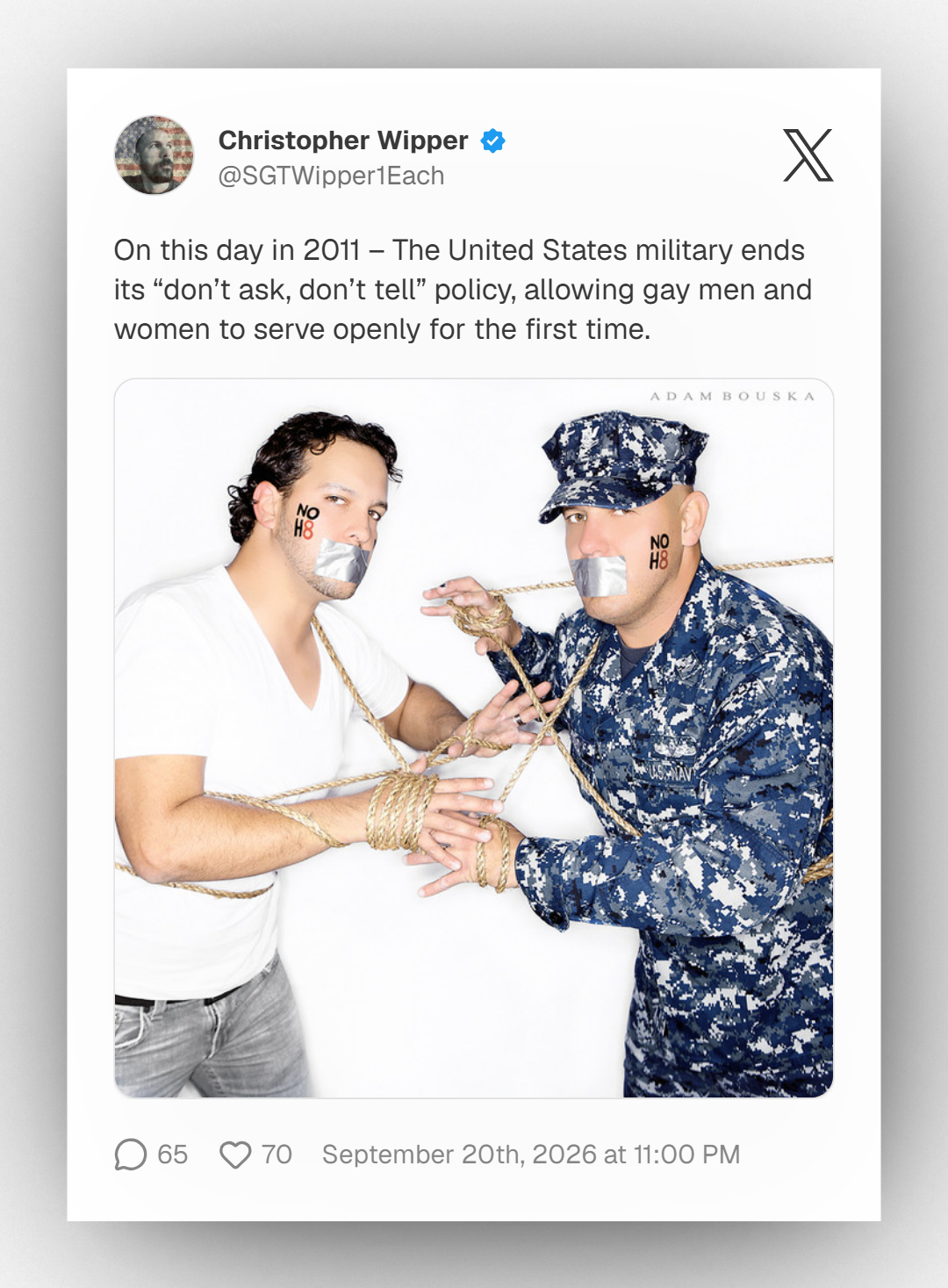
People who once had to hide their identities while serving can now appear before city councils as veterans. Former commanders can publicly recognize the people they served beside. Older veterans can advocate for younger generations without having to pretend that LGBTQ+ service was somehow separate from military history.
Kansas is among the states recognizing LGBTQ Veterans Day this year, while New York and Virginia are pursuing broader state-level programs for LGBTQ+ veterans.
The date itself carries the history. September 20 is the anniversary of the day Don’t Ask, Don’t Tell finally ended.
And perhaps that is why the anniversary feels different now. Fifteen years ago, the question was whether LGBTQ+ Americans could serve openly. Today, the question can be what they do with that openness once they come home.
They can run for office. They can address their local governments. They can speak about their military careers without editing themselves first. They can stand beside the people who once commanded them and be recognized for both their service and their identity.
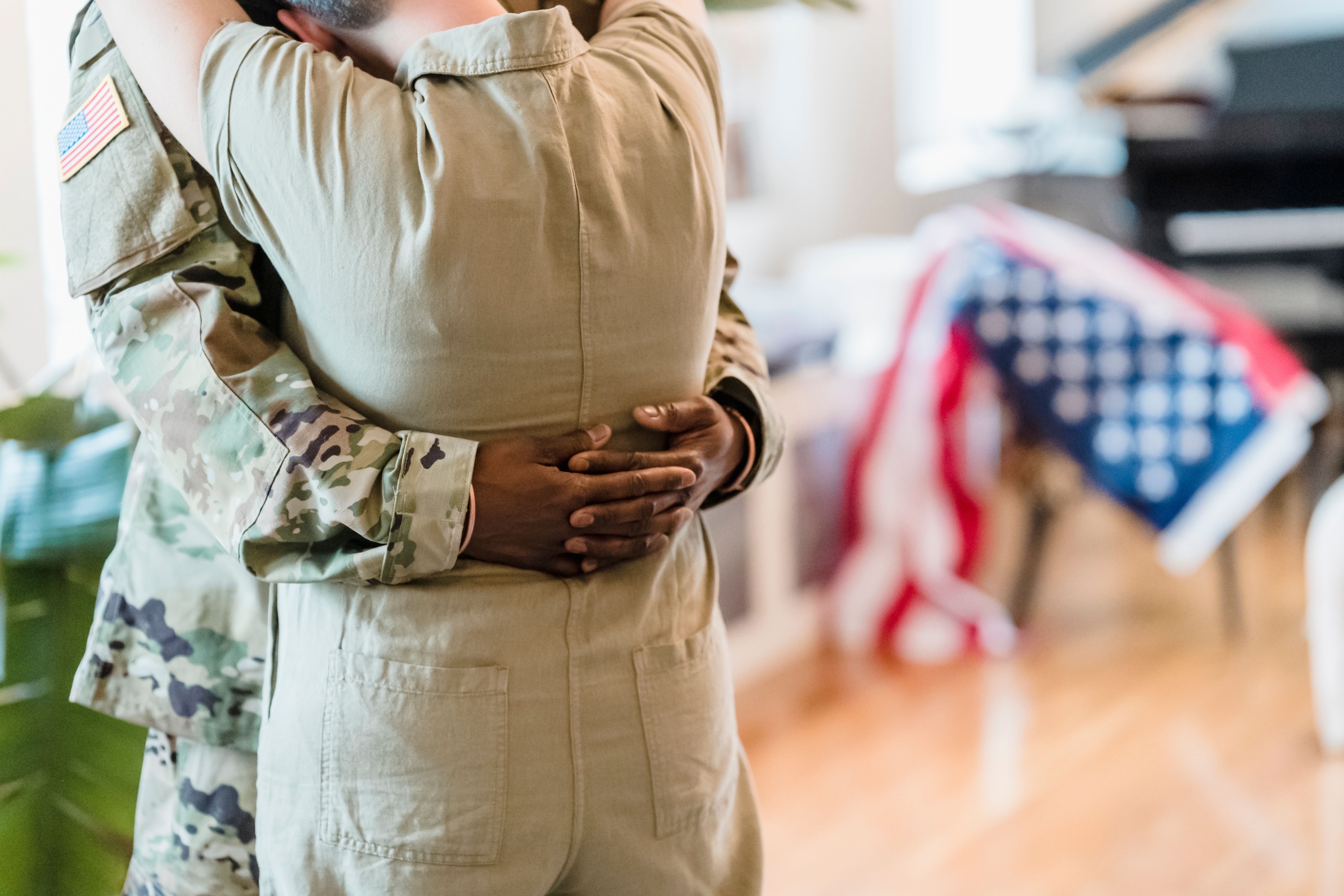
The uniform no longer has to come with a silence clause. That is the part worth remembering on the 15th anniversary of Don’t Ask, Don’t Tell’s repeal. The victory was never only about getting LGBTQ+ people into the military. It was about letting them come home as themselves, too.
Source: Britannica and WashingtonBlade