


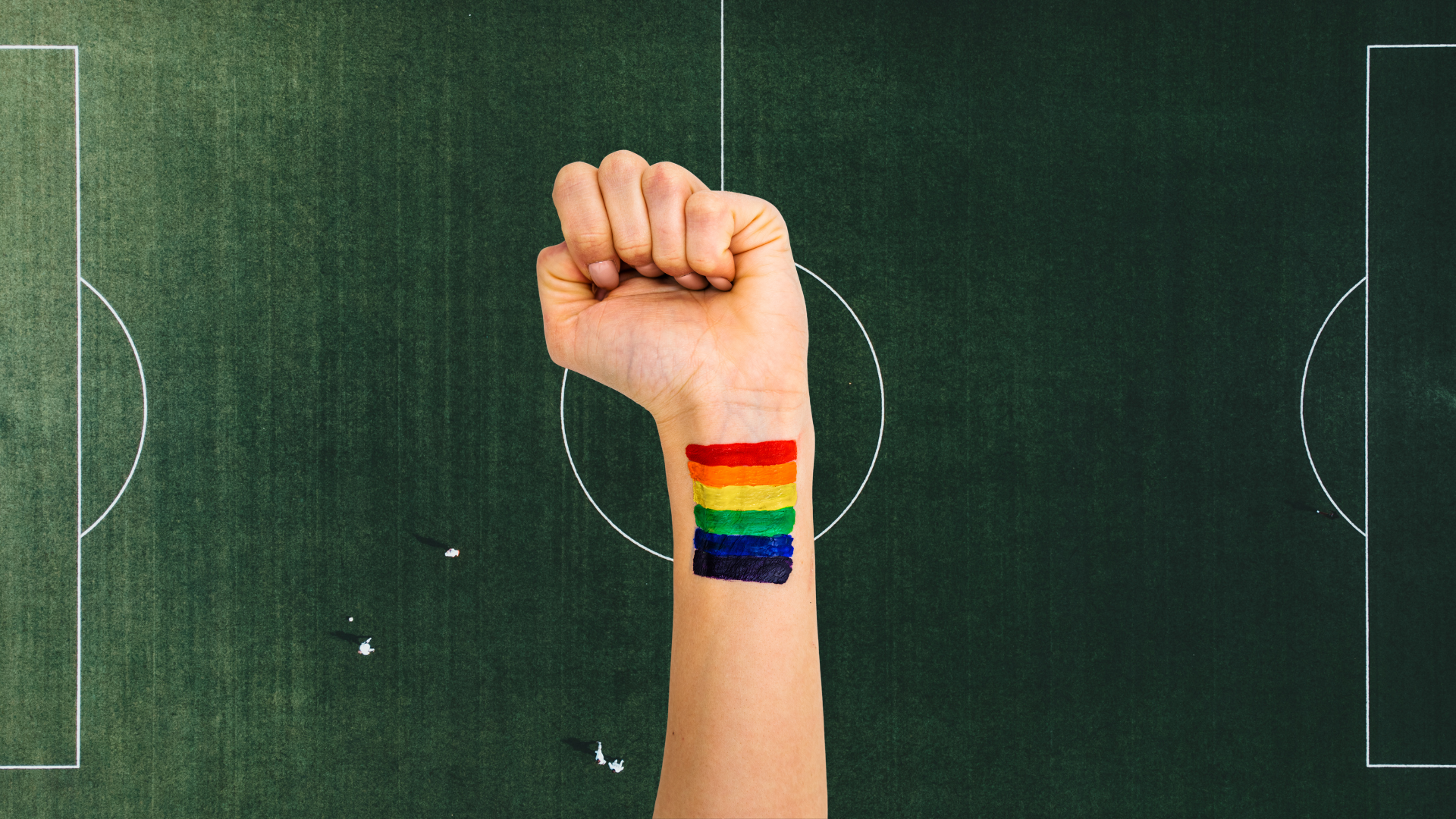
Football fans are going to argue. It’s practically part of the game. Someone misses a goal, a referee makes a questionable call, and suddenly, everyone online thinks they’re a professional coach. But racism, homophobia, and threats against players? Oh, that’s a whole different ball game, darling.
According to a new FIFA report, online abuse during the 2026 Men’s World Cup was a serious problem, with football players facing everything from discriminatory slurs to violent threats. And if you thought it was just a few trolls being messy on the internet, the findings might make you think twice.
READ: FIFA Fined Team Mexico For Anti-Gay Fans
One Player Received Over 10,000 Abusive Messages
Let’s start with the football player who was reportedly targeted with more than 10,000 instances of abuse. Yes, you read that right. TEN THOUSAND.
According to FIFA, racism accounted for 40% of the abuse directed at this unnamed player, who was also the leading target of homophobia, sexism, and transphobia.
Things got even worse after a public figure’s racist remarks about the player spread across social media. In other words, the abuse reportedly ramped up after those comments gained attention. And isn’t that just lovely? As if being a professional athlete wasn’t stressful enough, now you have to deal with thousands of people treating your social media mentions like their personal hate diary.
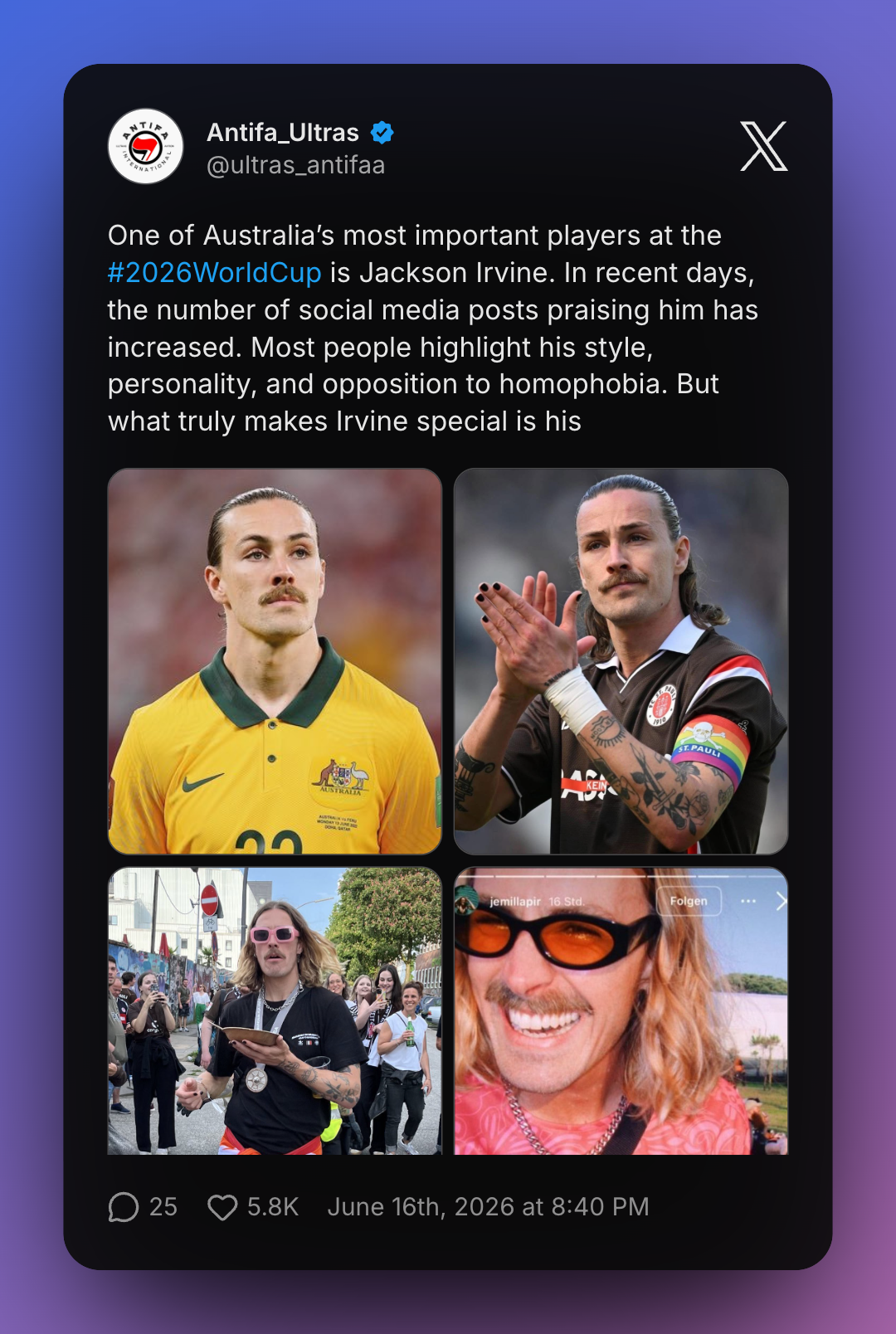
READ: Meet Lucas Bergvall, Sweden’s Golden Boy Taking Over the World Cup
France Faced the Most Homophobic Abuse
France also found itself at the center of some seriously ugly online behavior. FIFA’s report found that French players received more than 18,000 instances of abuse across platforms, making them the most abused team overall. They were also the team targeted with the highest volume of homophobic abuse.
Racism and general abuse were the biggest categories in the breakdown of abuse aimed at French football players.
And let’s talk about those homophobic slurs for a second. Why are some people still using gayness as an insult in 2026? Babe, we have bigger things to worry about than whether someone thinks another man is somehow less masculine.
You don’t even have to be LGBTQ+ to become a target. Sometimes, all it takes is someone deciding that you’re an easy person to mock. Homophobia doesn’t magically become harmless just because the person being targeted hasn’t publicly identified as queer.
Racism, Xenophobia, and Threats, Oh My!
Unfortunately, homophobia wasn’t the only problem FIFA picked up on.
In one breakdown of detected abuse, racism accounted for 12%, followed by xenophobia at 7%. South Africa was the team most targeted by xenophobic abuse, which FIFA linked to political tensions surrounding immigration from neighboring African countries.
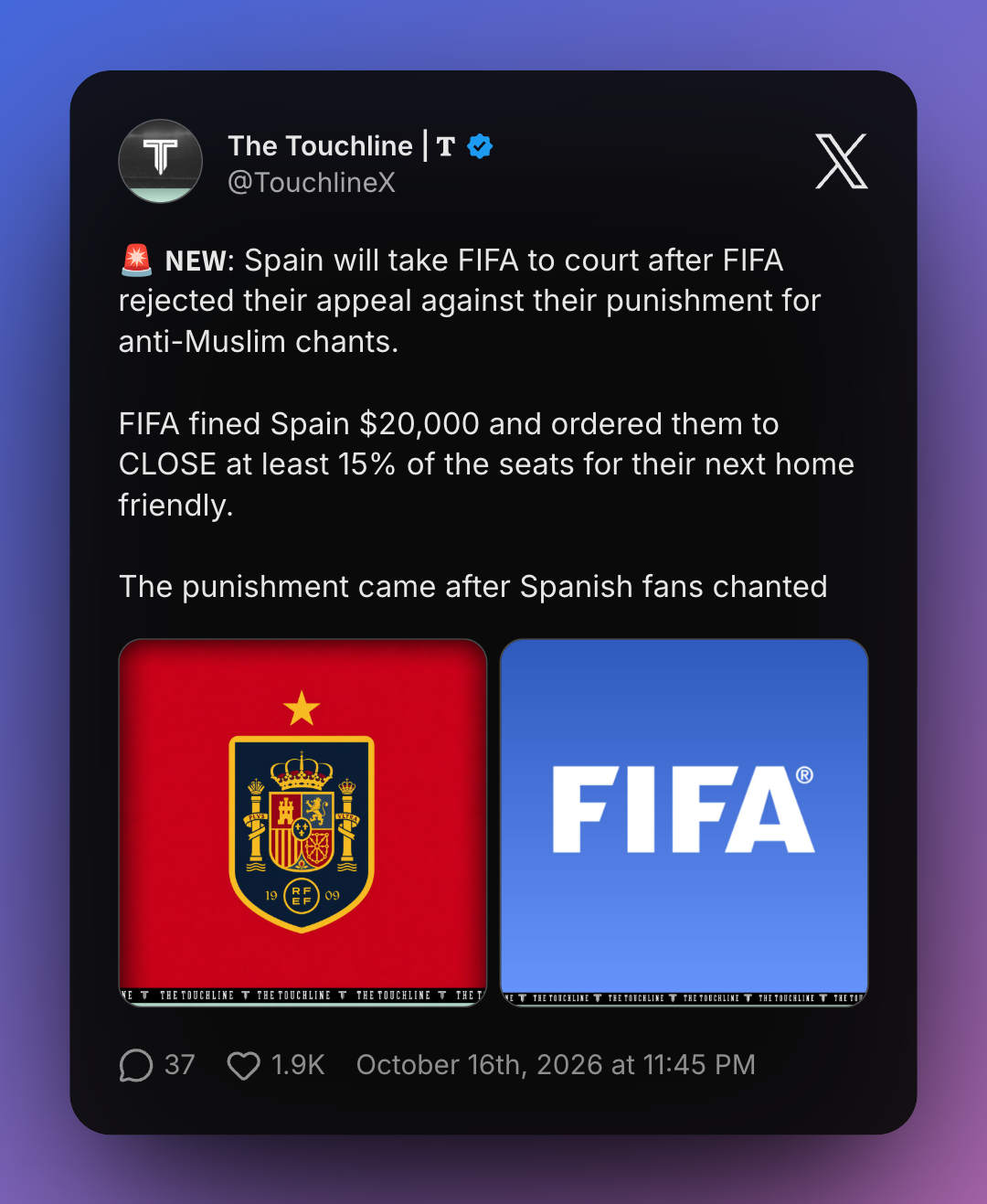
The report also highlighted violent language, including threats and wishes of harm directed at players. When general swearing and insults were excluded from the analysis, violence became a major focus of FIFA’s priority investigations.
So, yes, fans can be passionate about their teams. But sending threats to a player because you’re upset about a match? That’s not passion, honey. That’s a problem.
Can We Keep the Hate Off the Pitch?
FIFA uses its Social Media Protection Service to help detect abusive content and protect football players. The football organization also said it had identified more than 100 examples that met the legal threshold for preparing case files for law enforcement.
That’s a start, but the bigger question is what happens next. Social media platforms, football organizations, public figures, and fans all have a role to play in making online spaces less hostile.
Because there’s a difference between dragging a team’s performance and attacking a player’s identity.
By all means, argue about the score, debate the referee’s decisions, and passionately defend your favorite team. Just leave the racism, homophobia, and threats out of it.
The only thing getting tackled this aggressively should be the ball. Thank you very much.