


For 14 years, Billy Porter carried a secret that touched nearly every part of his life. The Pose star was diagnosed HIV-positive in 2007, but fear, shame and the possibility of discrimination kept him silent. Now, after years of letting his art speak for him, Porter is finally telling the story in his own voice.
RELATED: WWE Was a “Gay Tell,” Says Neil Patrick Harris
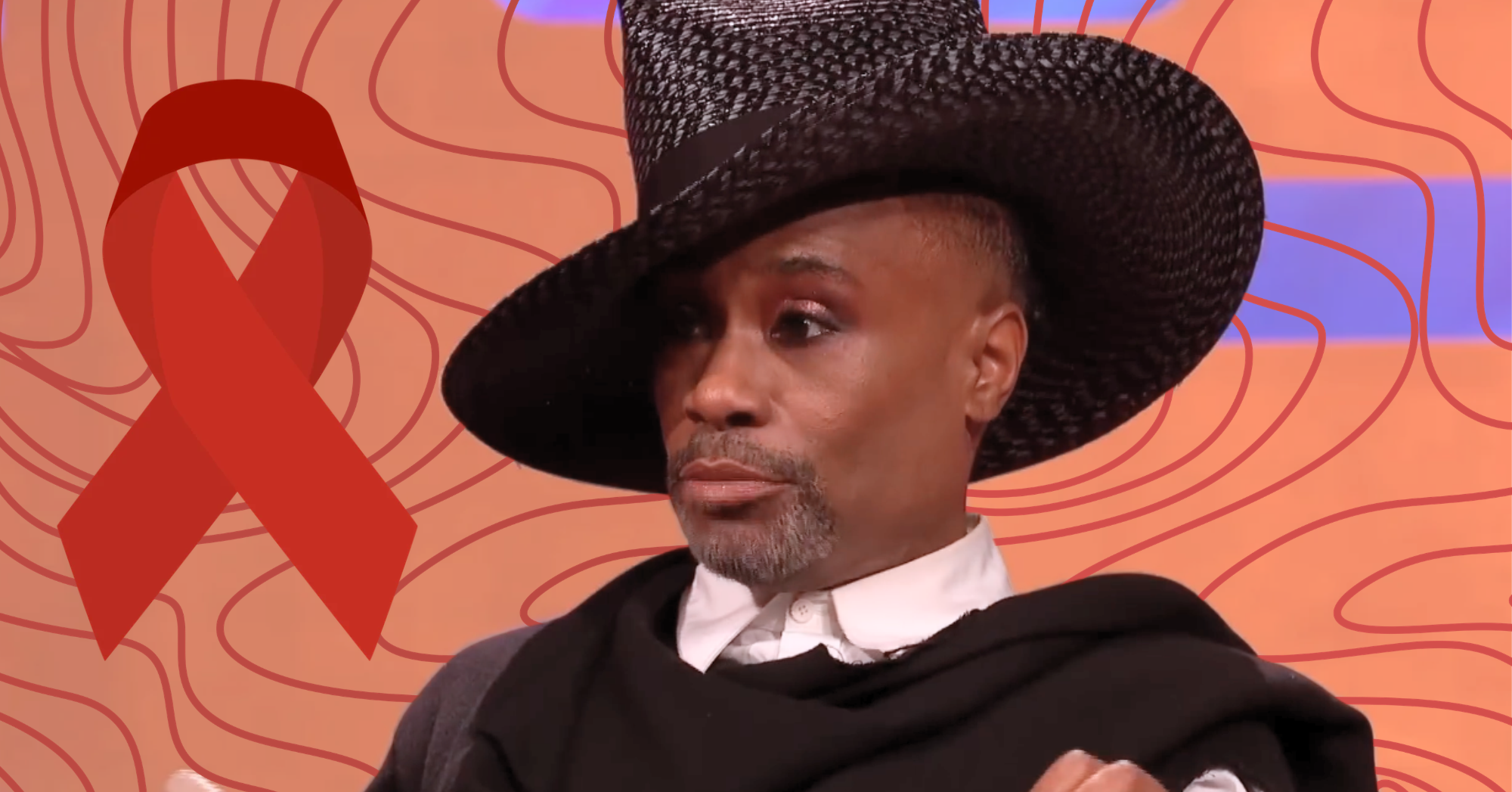
And honestly, if anyone was going to turn years of silence into a declaration of freedom, it was always going to be Billy Porter.
2007 Was the Year Everything Fell Apart
Porter describes 2007 as the worst year of his life. Within months, he had been diagnosed with Type 2 diabetes, filed for bankruptcy and then learned that he was HIV-positive.
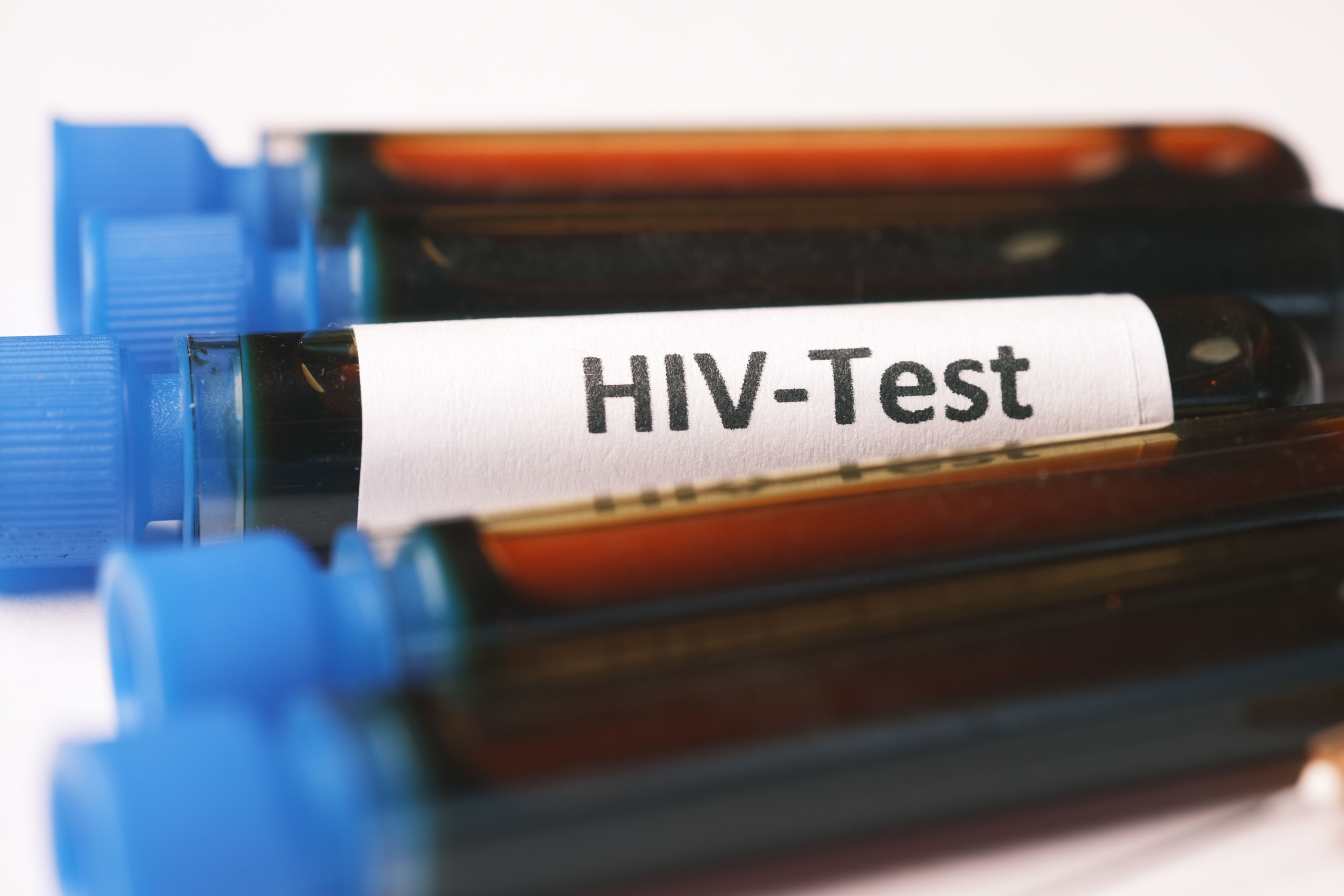
The diagnosis came almost by accident. He had gone to Callen-Lorde after a painful pimple on his butt became impossible to ignore. While getting it treated, he took the HIV test he routinely received every six months. Then came the news.
RELATED: Greyson Chance’s ‘Boystown’ Era Is Horny, Queer, and Unfiltered
“I was diagnosed HIV-positive.”
For Porter, however, the diagnosis carried far more than medical implications. He grew up in a Pentecostal church and a religious family where HIV-positive status had been framed as punishment from God. The shame he had already experienced throughout his life suddenly became even heavier.
“I was the statistic that everybody said I would be.”
So he kept quiet.
Pray Tell Became His Secret Outlet
One of the most fascinating parts of Porter’s story is how much of his real life eventually found its way into Pose without the people around him knowing exactly how personal it was.
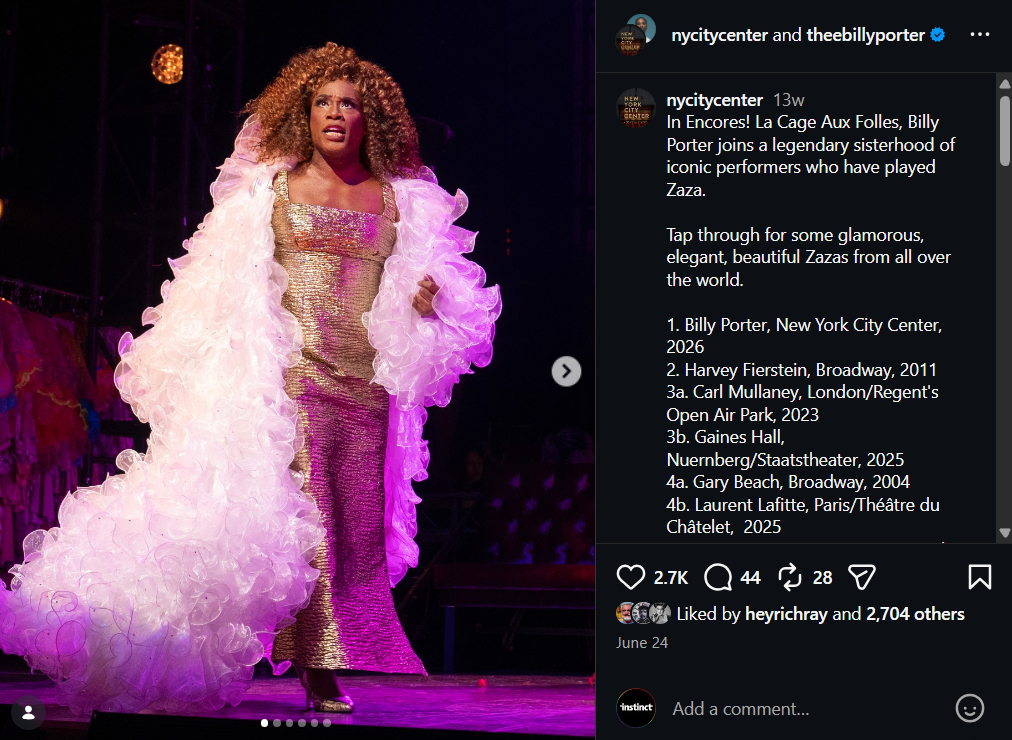
He played Pray Tell, an HIV-positive character navigating the AIDS crisis, and the role gave him something he desperately needed: a way to talk about experiences he couldn’t talk about publicly.
“The brilliance of Pray Tell and this opportunity was that I was able to say everything that I wanted to say through a surrogate.”
That makes Pray Tell feel even more significant in retrospect. Porter wasn’t simply playing a character whose life intersected with HIV. He was using the character to process his own shame, trauma and survival while keeping his diagnosis private. And because he had spent so much of his life compartmentalizing pain, he says he didn’t always recognize when the work itself was triggering him.
“I was just happy that somebody was finally taking me seriously as an actor.”
The Secret Even His Mother Didn’t Know
For years, Porter made a promise to himself that he would tell his mother eventually — just not while she was still around to experience what he feared would be another wave of judgment from the religious community that had already persecuted her because of his queerness.
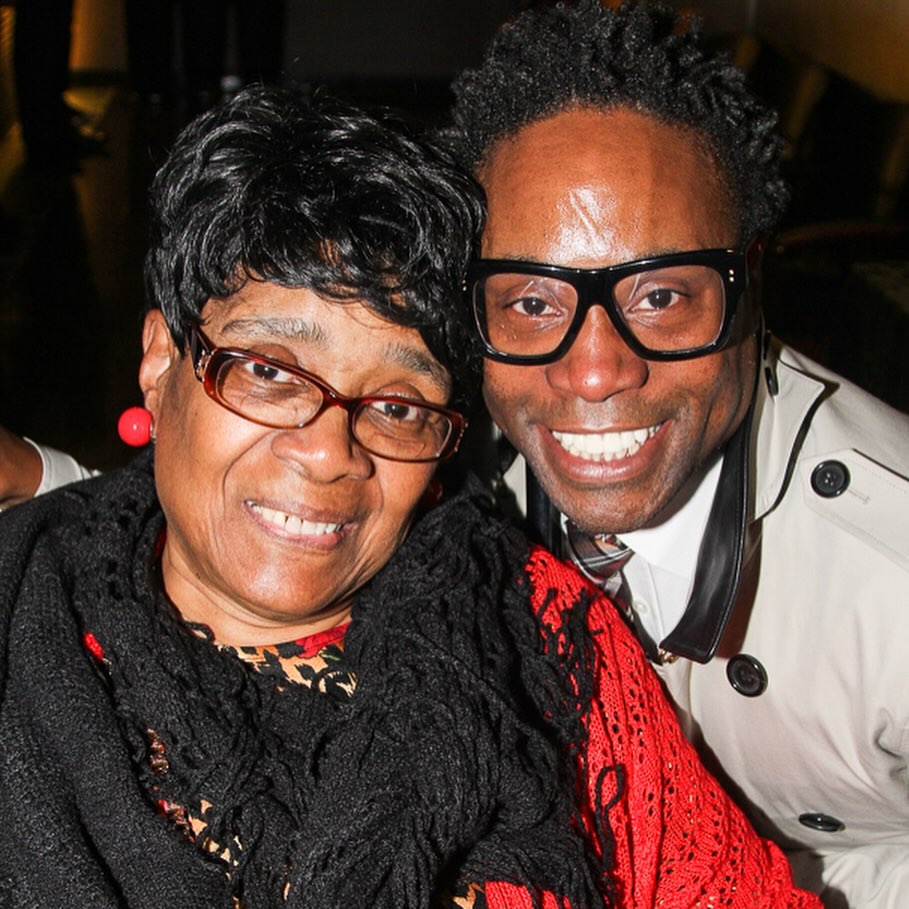
“I’d made a pact with myself that I would let her die before I told her.”
That plan obviously did not go according to schedule. After 14 years of keeping the diagnosis private, Porter finally called his mother on the last day of shooting Pose. Within minutes, she knew something was wrong. His mother’s response was not the rejection he had spent years fearing.
“You’ve been carrying this around for 14 years? Don’t ever do this again. I’m your mother, I love you no matter what.”
For Porter, that conversation became a major emotional release. The shame he had carried for years suddenly didn’t feel quite as immovable.
“It had felt like a hand was holding my heart clenched for years — for years — and it’s all gone.”
Billy Porter Wants to Change the HIV Story
Porter’s decision to speak publicly isn’t only about finally putting his own secret down. It is also about challenging the image of what an HIV-positive life is supposed to look like. He points to his health, his medication and the regular medical care he receives as part of a very different reality from the one he grew up believing.
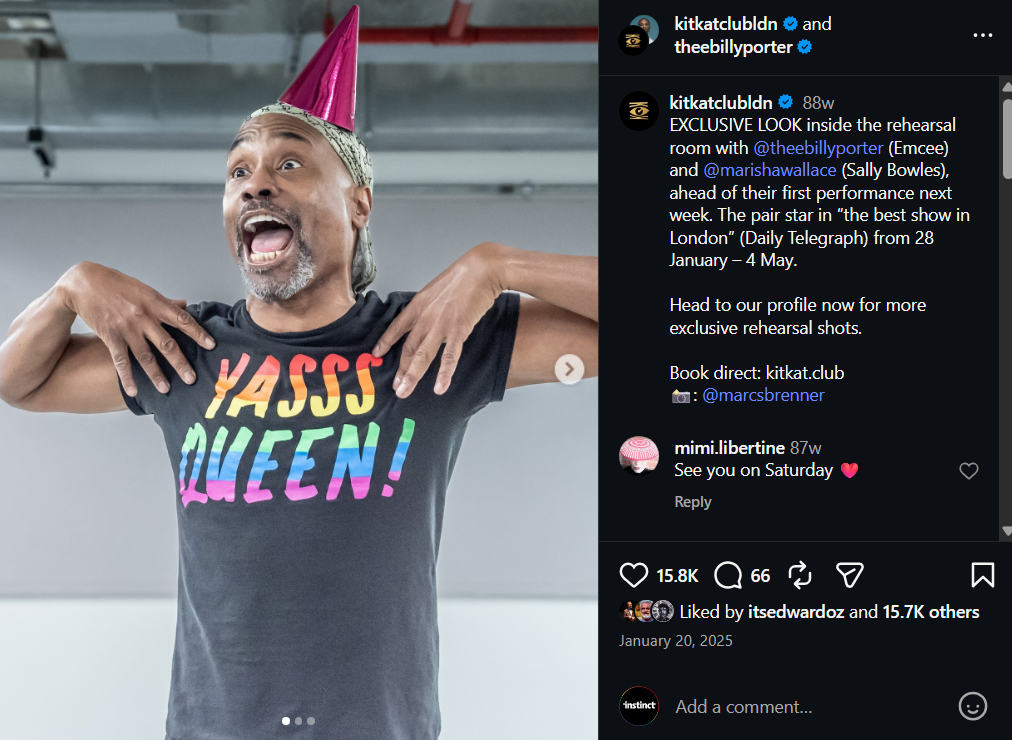
“This is what HIV-positive looks like now.”
He also makes it clear that HIV is one part of his life, not the definition of it.
“I’m so much more than that diagnosis.”
That distinction matters. He isn’t pretending the stigma never existed. He’s talking about what happens when people stop allowing that stigma to dictate the rest of their lives. For someone who spent 14 years worrying about what might happen if the industry found out, his message now is remarkably direct.
“If you don’t want to work with me because of my status, you’re not worthy of me.”
The Truth Became the Point
Porter’s story is ultimately bigger than the diagnosis itself. It is about what happens when surviving stops being enough and you finally decide you want to actually live.
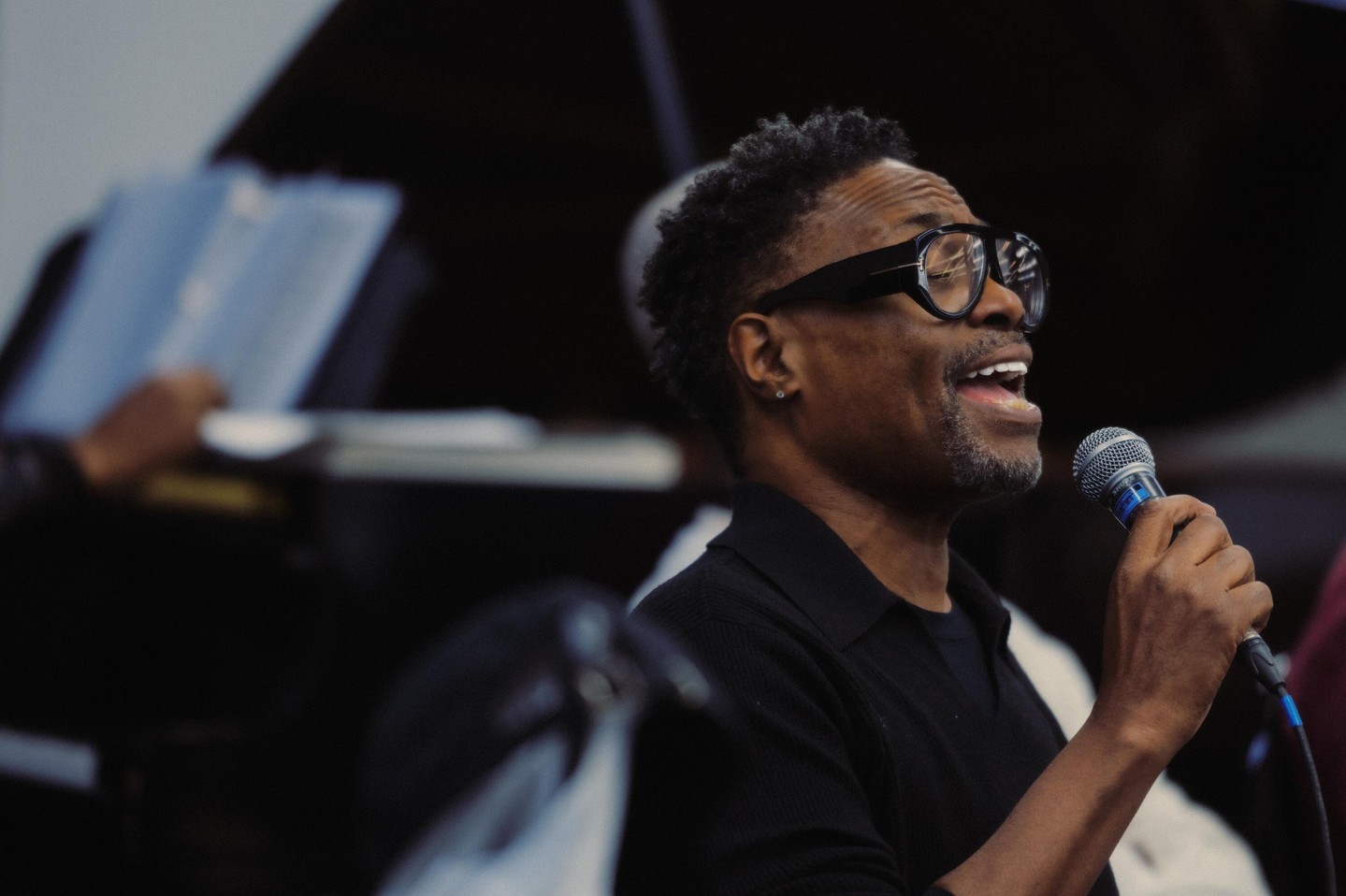
He has spoken about years of trauma, therapy, his relationship with his mother, his complicated history with the church and the ways his experiences shaped his work. He also recognizes that trauma once functioned as fuel for his career. But now, he wants something different.
“Ryan actually called me out season one,” Porter recalls of Pose co-creator Ryan Murphy. “I’m going to need you to lean in to the joy.”
For years, he says joy was difficult to access beneath the dread and shame he carried. Now he’s trying to make room for it. That includes the joy of intimacy, family, creativity and simply being honest about who he is.
“I hope this frees me so that I can experience real, unadulterated joy, so that I can experience peace, so that I can experience intimacy, so that I can have sex without shame.”
And perhaps that is the most powerful part of Porter’s decision to finally speak. He isn’t coming out to satisfy an audience. He’s not revealing his diagnosis because he owes anyone an explanation. He is doing it because he wants his own life back.
“This is for me. I’m doing this for me.”
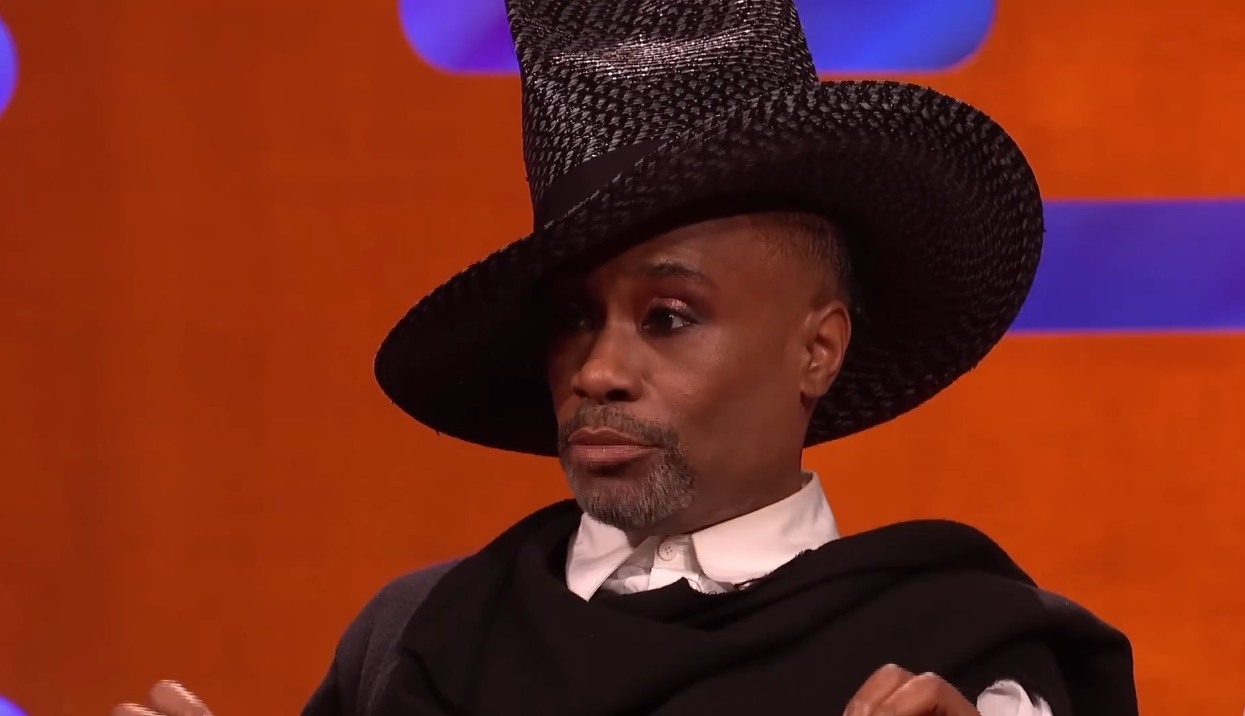
After 14 years of silence, that might be the most Billy Porter thing imaginable.
Source: Hollywood Reporter