


John Waters has spent decades proving that fitting in is wildly overrated. At 80, the legendary filmmaker is still celebrating the oddballs, the outsiders, and the beautifully unconventional—while proudly calling himself an “old-school gay” in a culture that’s often obsessed with youth, muscles, and perfection.
RELATED: LGBTQ+ Stories Could Soon Come With Warning Labels
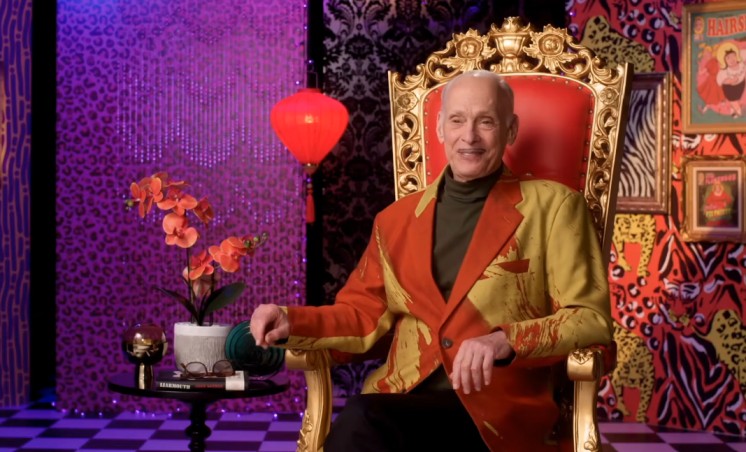
The Pink Flamingos and Hairspray mastermind is reflecting on aging, queer history, and why younger LGBTQ+ generations may never fully understand what came before in the latest season of Finding Fire Island. And, naturally, he does it with the kind of wit and honesty that have made him one of queer culture’s most enduring originals.
John Waters never wanted to be a Muscle Mary
Appearing in Thursday’s episode of Finding Fire Island, Waters looks back on his place in gay culture with the confidence of someone who has never cared much about fitting in.
Rather than chasing the hyper-muscular aesthetic that has long dominated parts of the gay community, Waters says he always gravitated toward something a little stranger—and a lot more fun.
RELATED: Thirst Report: Abs, Speedos and the Internet’s Favorite Men
“The younger people understand me and my films, that’s the thing. Because they know my films and everything, it’s a very different world for me in the gay community,” Waters, who turned 80 in April, explains. “Even at the height of when I looked the best, I never was a ‘Muscle Mary.’ It’s a culture that I know about … but to me, the hippie gay thing, the Cockettes and all that, was more radical and to my liking than, say, clones.”
It’s classic John Waters: reminding us that queer culture has always been at its most exciting when it embraces the wonderfully unconventional. Long before Instagram thirst traps and gym selfies became a personality trait, there were underground artists, drag pioneers, and fearless eccentrics creating queer spaces simply by refusing to blend in.
Some queer history can’t be recreated
Waters also turns reflective when discussing one of the defining tragedies of modern LGBTQ+ history: the HIV/AIDS epidemic.
For younger queer people, the crisis is something they’ve learned through documentaries, books, and stories. For those who lived through it, however, the memories remain impossible to fully pass on.
“That’s the main thing: If you’re older, you remember that, and you can never convey what that was like to young people.”
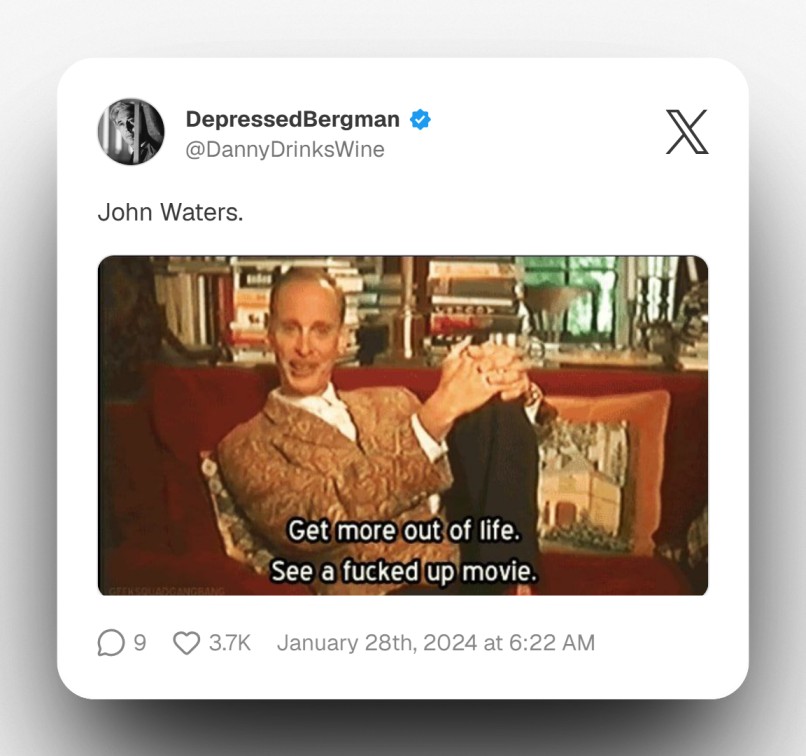
It’s a sobering reminder tucked inside an otherwise playful conversation. Queer history isn’t just camp classics, cult movies, and fabulous icons—it’s also resilience, grief, and a generation forever changed by unimaginable loss.
Finding Fire Island explores a legendary queer escape
Hosted and executive-produced by New York journalist Jess Rothschild, Season 2 of Finding Fire Island dives into the history and evolution of New York’s iconic LGBTQ+ beach destination. This season also explores the longtime rivalry between Cherry Grove and The Pines—communities often associated with queer women and queer men, respectively.
Alongside Waters, the new season features candid conversations with Billy Porter and Julio Torres. The first season included interviews with Joel Kim Booster, Margaret Cho, and Bowen Yang.
Rothschild shared that she’d wanted to interview Waters for years. Though he’s often associated with Provincetown, Massachusetts, he was eager to revisit memories of visiting Fire Island during the 1970s alongside his late muse, the legendary drag icon Divine.
She explained why Waters continues to resonate with audiences across generations.
“John Waters represents the idea that what society calls ‘too much’ can become a source of creativity, humor and power.”
She added:
“I love how he speaks to being an outsider even within the gay community and relishing it. I think that’s his primary message: The traits that make you feel out of place can become the foundation of your identity, your art and your community rather than something to hide.”
Being yourself never goes out of style
Plenty of LGBTQ+ icons mellow with age. John Waters somehow keeps getting sharper.
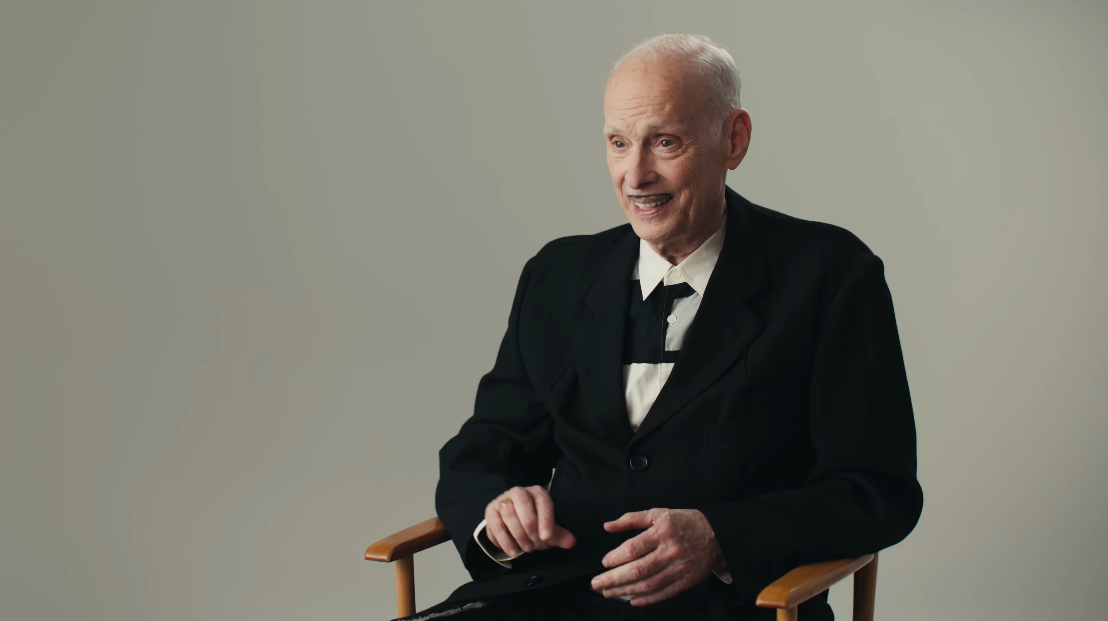
Whether he’s celebrating outsiders, poking fun at gay beauty standards, or preserving the stories younger generations deserve to hear, Waters remains living proof that authenticity will always outlast trends. Muscles fade. Hairstyles change. The coolest person in the room is usually the one who never cared about fitting into it in the first place.
Can today’s LGBTQ+ community still learn something from “old-school gays” like John Waters, or has queer culture simply evolved into something different? Share your thoughts in the comments.
Source: Huffpost