


LGBTQIA+ stories could soon come with a warning label—at least if the Trump administration gets its way. Imagine settling in for a cozy movie night only to discover the biggest “viewer discretion advised” isn’t a zombie apocalypse or an exploding car—it’s two women falling in love. That’s the future critics fear after a proposal to place warning labels on LGBTQIA+ content in film and television reignited yet another battle over queer visibility in America.
RELATED: The Foster Care Fight Just Got a Lot More Queer

No, the proposal isn’t law. But it’s already making plenty of noise.
LGBTQIA+ stories could come with advisory labels
The Federal Communications Commission (FCC) is currently considering a proposal that would require advisory labels for programming featuring LGBTQIA+ characters, themes, stories, and content involving “gender identity,” including “transgender and gender non-binary programming.”
RELATED: Drag Brunch Ignites Christian Protests and Legal Fight
According to the FCC, the idea stems from concerns raised by parents who argued that children’s programming discussing what the commission described as “controversial gender identity issues” should include clearer notices for families.
If approved, queer representation wouldn’t disappear from screens—but it could be singled out in a way many critics say no other identity is.
GLAAD says the proposal sends the wrong message
LGBTQIA+ advocacy group GLAAD has emerged as one of the proposal’s strongest critics, arguing that the issue isn’t simply about parental guidance—it’s about what those labels imply.
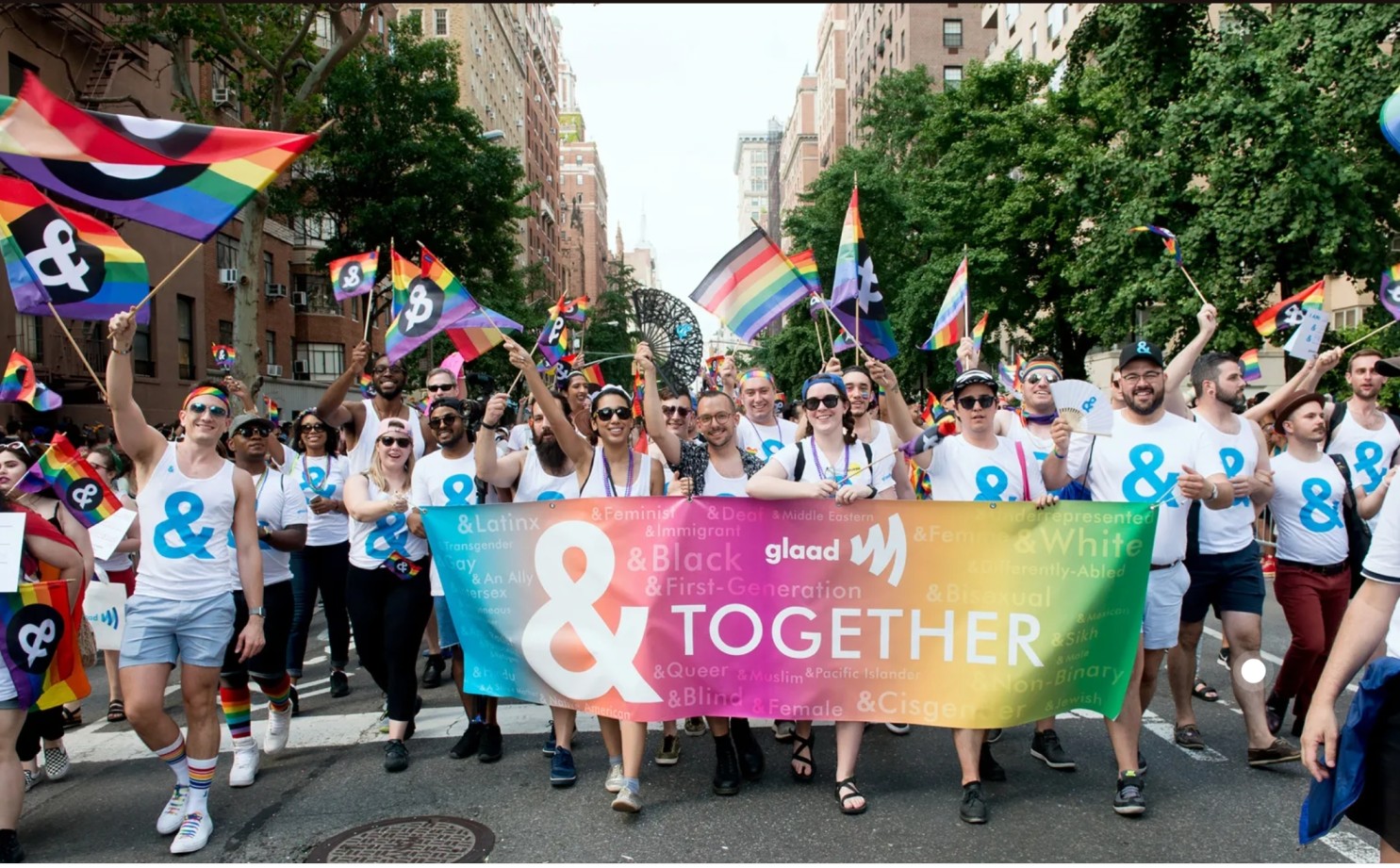
In a statement opposing the proposal, the organization said:
“This proposal will erode freedom of speech in The United States and limit the entertainment industry’s ability to operate freely and without government interference”
GLAAD also reviewed more than 33,000 public comments submitted to the FCC and found that roughly 80% opposed adding warning labels to LGBTQIA+ programming.
One commenter explained why many believe the proposal could have consequences beyond television schedules:

“Putting a warning label on content about LGBT people will lead people to think that being LGBT is shameful and wrong, because warning labels are used for content that could be dangerous or overly mature such as drug use and pornography. LGBT people are normal and have existed for a very long time, they do not desrve to be treated as shameful, they are human like the rest of us”
The debate is about more than TV
The FCC has not yet decided whether the proposal will move forward, meaning the advisory labels remain just that—a proposal.
Still, the conversation has already expanded beyond television ratings. Supporters argue parents deserve more information about the content their children watch, while opponents say treating LGBTQIA+ people as something requiring a warning risks reinforcing the idea that queer identities are inherently controversial.

After decades of fighting for authentic representation, many LGBTQIA+ viewers see the proposal as less about content advisories and more about deciding whose stories are treated as ordinary—and whose stories come with a disclaimer attached.
What do you think? Should LGBTQIA+ content receive special advisory labels, or does the proposal unfairly single out queer stories? Let us know your thoughts in the comments.
Absolutely not! The whole thing is stupid. It makes no sense. If you don’t like LGBTQIA+ content, then don’t watch it.
It’s just another attempt for the orange idiot and his equally moronic regime to silence us.
VERY TRUE!