


When it comes to HIV prevention, progress is worth celebrating, but nobody should be declaring victory just yet. Belgium has some encouraging news on that front, with new figures showing fewer diagnoses in 2025. Gay men, in particular, are helping drive the decline, although the country’s latest numbers also reveal who might still be missing out on essential prevention and testing services.
RELATED: Fiji’s HIV Crisis Is Getting Harder to Ignore

Belgium recorded 603 new HIV diagnoses in 2025, down 7% from the previous year, according to figures released by public health institute Sciensano. A significant part of that improvement came from men who have sex with men, who accounted for 249 diagnoses. Of those, 114 were Belgian nationals.
Sciensano says the decline among this group was the main reason the country’s overall number went down. It’s an encouraging development at a time when access to HIV prevention tools has given people more ways to protect themselves and their partners.
Gay Men Are Driving Belgium’s HIV Progress
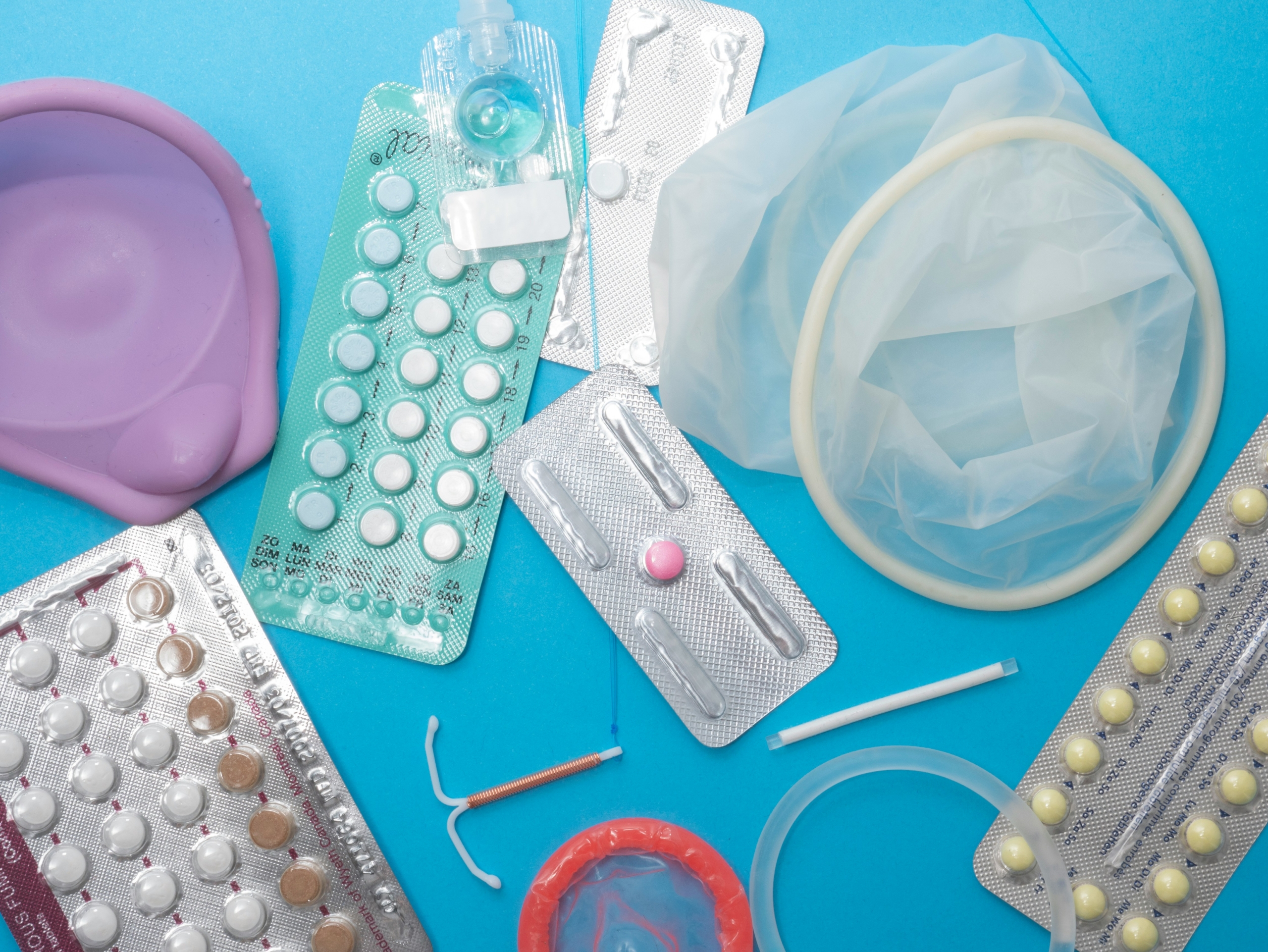
The figures offer a reminder of how much prevention has changed. Condoms remain an important option, while PrEP (pre-exposure prophylaxis) can help prevent HIV before exposure. PEP (post-exposure prophylaxis) can reduce the risk after a potential exposure, provided it is started promptly. Regular testing and effective HIV treatment also play crucial roles.
RELATED: HIV Prevention Shouldn’t Cost a Fortune: Meet $40 Generic PrEP Shot
For people living with HIV, maintaining an undetectable viral load means they cannot sexually transmit the virus. That’s the science behind U=U (Undetectable = Untransmittable), and it’s a particularly important message in tackling the stigma that still surrounds HIV.
But a lower number of diagnoses doesn’t mean everyone is equally protected.
While diagnoses among men who have sex with men are falling, heterosexual transmission accounted for 312 of the cases recorded in 2025. This group included 97 Belgian nationals and 91 women from sub-Saharan Africa.
Sciensano says many heterosexual people underestimate their risk, suggesting that prevention awareness still needs to reach beyond the communities traditionally associated with the epidemic, particularly among people who may not realize they are at risk.
Young men and newcomers are also among the groups that prevention services are struggling to reach effectively. Late diagnoses remain a particular concern, with stigma, barriers to healthcare, and fear of social exclusion keeping some people from getting tested.
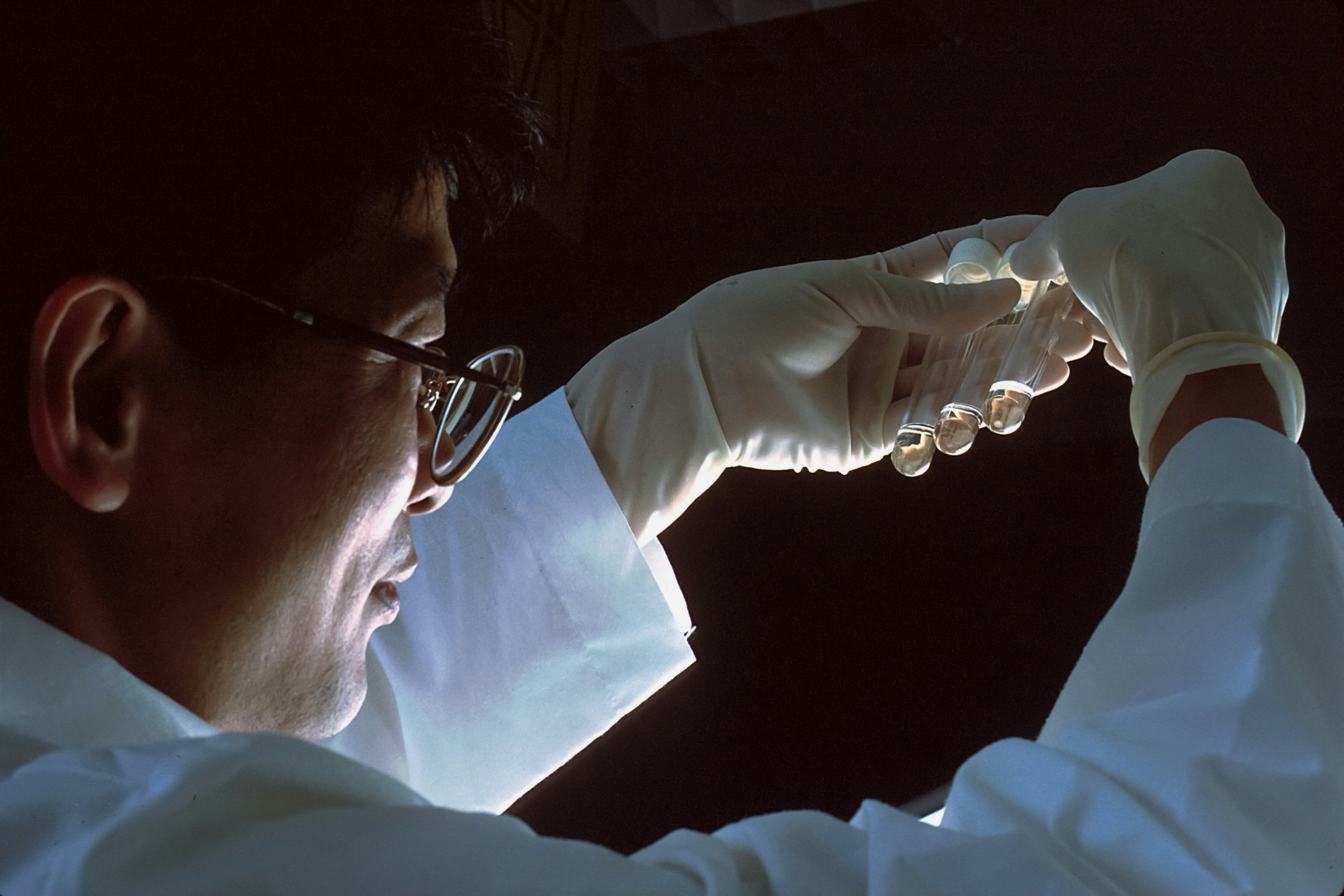
Sensoa, Belgium’s Centre of Expertise on Sexual Health, is trying to make those services easier to access. Working alongside Latin American men who have sex with men, the organization developed a brochure explaining where people can find condoms, HIV tests, and PrEP. It also works with local partners in African communities to provide information and bring testing closer to the people who need it.
“That is why Sensoa, together with Latin American men who have sex with men, developed a brochure explaining where they can find condoms, HIV tests and PrEP,” Sensoa says. “In African communities, Sensoa works with local partners to provide information and offer HIV tests where people are.”
Belgium wants to eliminate HIV as a public health problem by 2030, which means the country has just a few years to build on its progress. The latest numbers are encouraging, especially for gay men, but the next challenge is making sure prevention, testing, and treatment are accessible to everyone.
Because fewer diagnoses are certainly worth celebrating. Making sure nobody is left behind is the bigger win.
Source: La Plataforme, Medi-sfeer, and Belga News