


Fiji has gone from declaring an HIV outbreak in 2025 to declaring a national crisis in 2026, as the Pacific island nation confronts one of the most concerning increases in new infections in the world.
On September 15, Fiji’s Minister for Health and Medical Services, Hon. Ratu Atonio Lalabalavu, announced the national crisis declaration and a stepped-up response. UNAIDS estimates that new HIV infections in Fiji increased 12-fold in a span of fifteen years between 2010 and 2025. In 2025, an estimated 9,100 people were living with the disease, but only 39% knew their status, and just 22% were accessing antiretroviral treatment, according to UNAIDS.
What will it take to #EndAIDS in Asia and the Pacific?
A prevention revolution.
Condoms. Testing. PrEP. Harm reduction. Youth-friendly services. No stigma.Hear from Fiji’s Health Minister Hon. Dr Atonio Lalabalavu.#HLM2026AIDS #UnitedToEndAIDS @MOHFiji @DrLalabalavu… pic.twitter.com/esZx17Fghf
— UNAIDS_EECA_RST (@UNAIDS_EECA) June 19, 2026
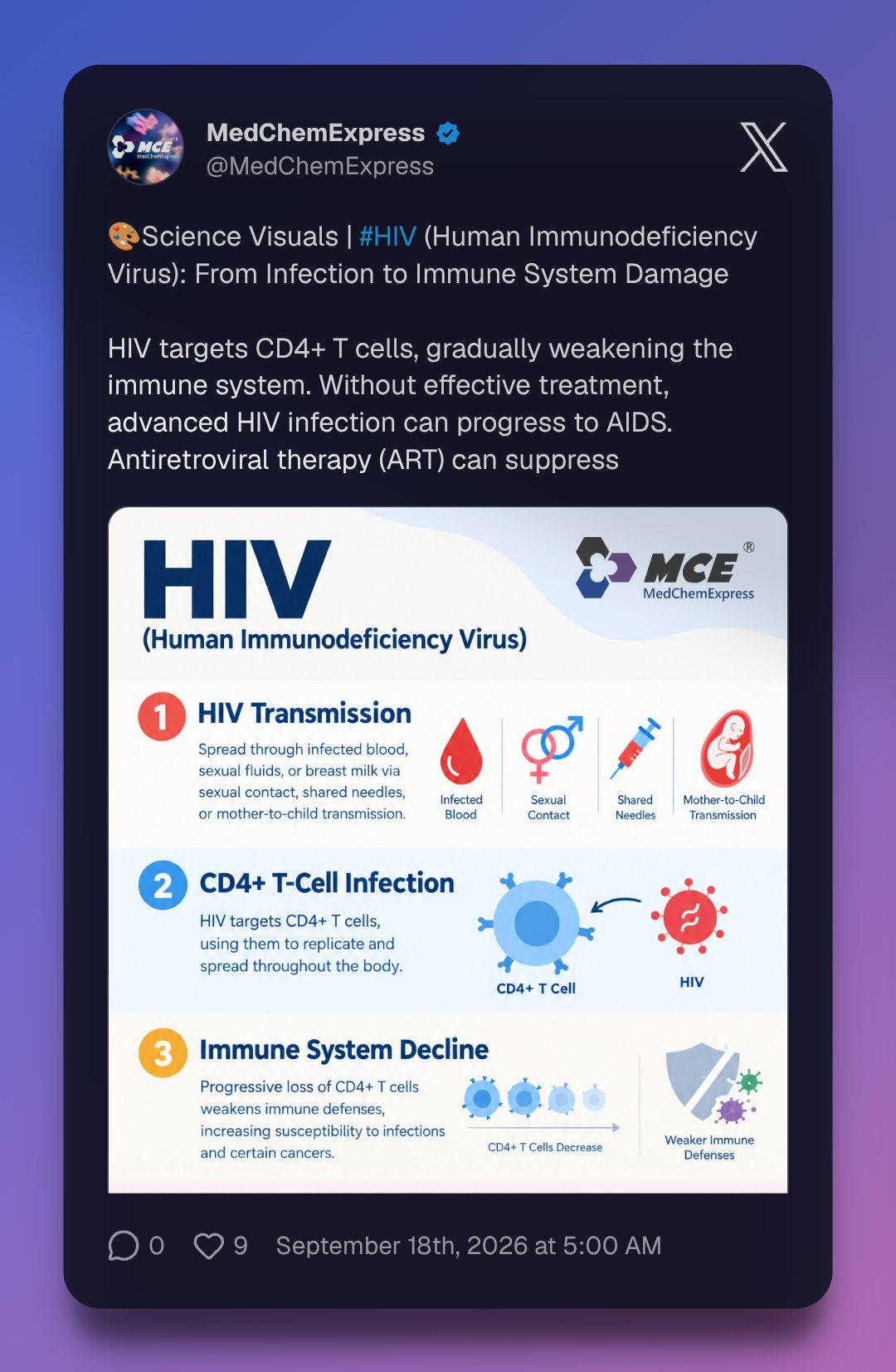
That treatment gap is particularly significant because effective treatment can suppress the virus to an undetectable level, meaning at that level person does not sexually transmit HIV.
READ: The LGBTQ Organizations Keeping People Safe Are Running Out of Options
The Crisis Did Not Appear Overnight.
In January 2025, Fiji declared the outbreak after recording 1,093 new cases between January and September 2024. At the time, the government identified injecting drug use and sexual transmission among the reported modes of transmission.
UNAIDS now reports that among cases where the mode of transmission is known, more than half were linked to sexual transmission, and more than 42% to injecting drug use. The organization has also highlighted the need for harm-reduction measures, including needle and syringe programs.
The government’s expanded response includes wider testing, treatment, and prevention, increased access to PrEP, including long-acting options such as twice-yearly injections, stronger community engagement and measures addressing stigma and discrimination.
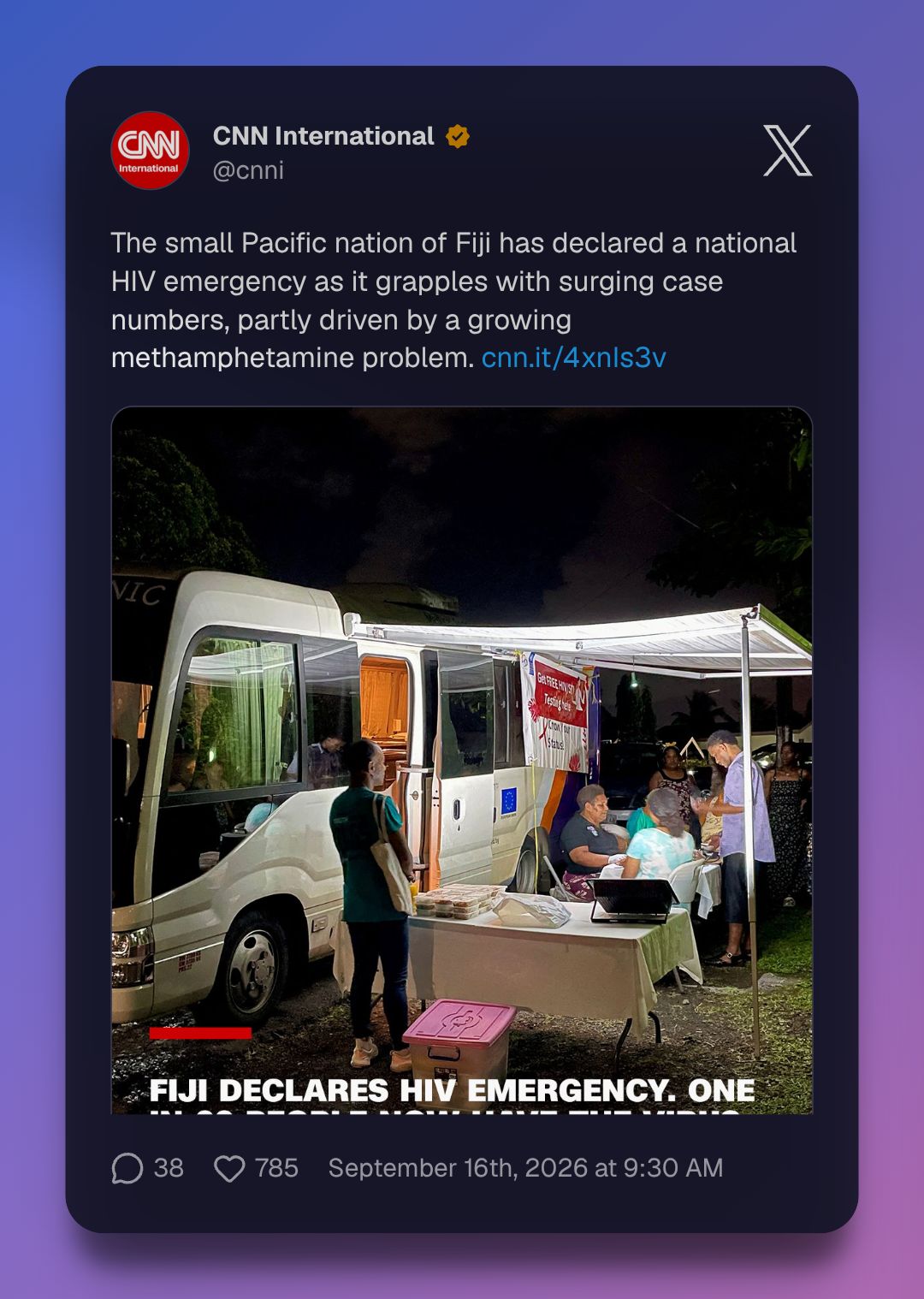
“The national crisis declaration is a call for action, not fear,” said Eamonn Murphy, UNAIDS Regional Director for Asia and the Pacific and Eastern Europe and Central Asia. He also stressed that HIV is not transmitted through everyday contact and that people on effective treatment with an undetectable viral load do not sexually transmit HIV.
A Crisis Arriving at a Complicated Time
Fiji is also facing this crisis at a time when HIV programs around the world are dealing with funding cuts.
In 2025, the U.S. government paused much of its foreign assistance, affecting programs that provide HIV prevention and other health services. Some lifesaving HIV treatment was protected, but UNAIDS reported disruptions to other prevention and community programs.
The U.S. also ended its agreement with UNAIDS, adding to the organization’s funding challenges.
This does not mean U.S. funding cuts caused Fiji’s HIV surge. Fiji’s cases had already been rising for years. But it does highlight why reliable funding matters. Countries experiencing a rapid increase in HIV cases need enough resources for testing, prevention, treatment and community outreach.
For UNAIDS Executive Director Winnie Byanyima, Fiji’s situation is another reminder that “AIDS is not over.”
Now, Fiji is moving from responding to an outbreak to tackling a national crisis. The next challenge will be making sure its expanded HIV services actually reach the people who need them.