


Some stereotypes are tired. Some are weirdly specific. And then there’s the long-running theory that gay men have collectively turned speed walking into a personality trait, gliding through sidewalks like there’s an invisible timer counting down at all times. Turns out, the joke about “gay walking speed” might come with an unexpected bonus: health experts say walking faster could actually be good for you.
RELATED: Throat Cancer and HPV: The Warning Signs You Shouldn’t Ignore

For years, 10,000 steps has been treated like the holy grail of fitness. Miss the number and suddenly your smartwatch starts acting like a disappointed parent. But growing research suggests your pace may matter just as much — if not more — than obsessively chasing step counts.
Gay walking speed: meme, mystery, or accidental wellness plan?
The internet has spent years debating why some gay men seem physically incapable of walking slowly. Is it efficiency? Urban survival instincts? Years of speed-walking to brunch reservations? Science remains suspiciously quiet on that part. What experts are talking about, though, is brisk walking — and that’s where things get interesting.
RELATED: Have You Donated Blood Since Gay Men Became Eligible Again?

WalkFit’s sports medicine doctor Tetiana Tereshchenko says: “Many people believe they need to hit 10,000 steps every day to improve their health, but evidence suggests benefits begin much earlier than that.
“Research shows meaningful improvements can be seen between roughly 4,400 and 7,500 daily steps, after which the benefit plateaus.
“Brisk walking places greater demand on the heart, lungs, and muscles than slower walking. Even short periods of faster-paced movement can help support cardiovascular fitness and overall health.”
In other words, your mission to aggressively pass slow-moving groups on the sidewalk may not be entirely fueled by impatience.
@jamesinthecity Dear Google. Please adjust your map distance for gay speed! #homosexualspeed #gaypace #torontorealtor #torontorealestate #littleitaly #googlemaps #fastwalker #jamesinthecity
Walking faster could mean aging slower
Here’s where the plot twist arrives. Research involving more than 400,000 adults in the UK found that people with faster walking speeds could have a biological age up to 16 years younger by midlife.
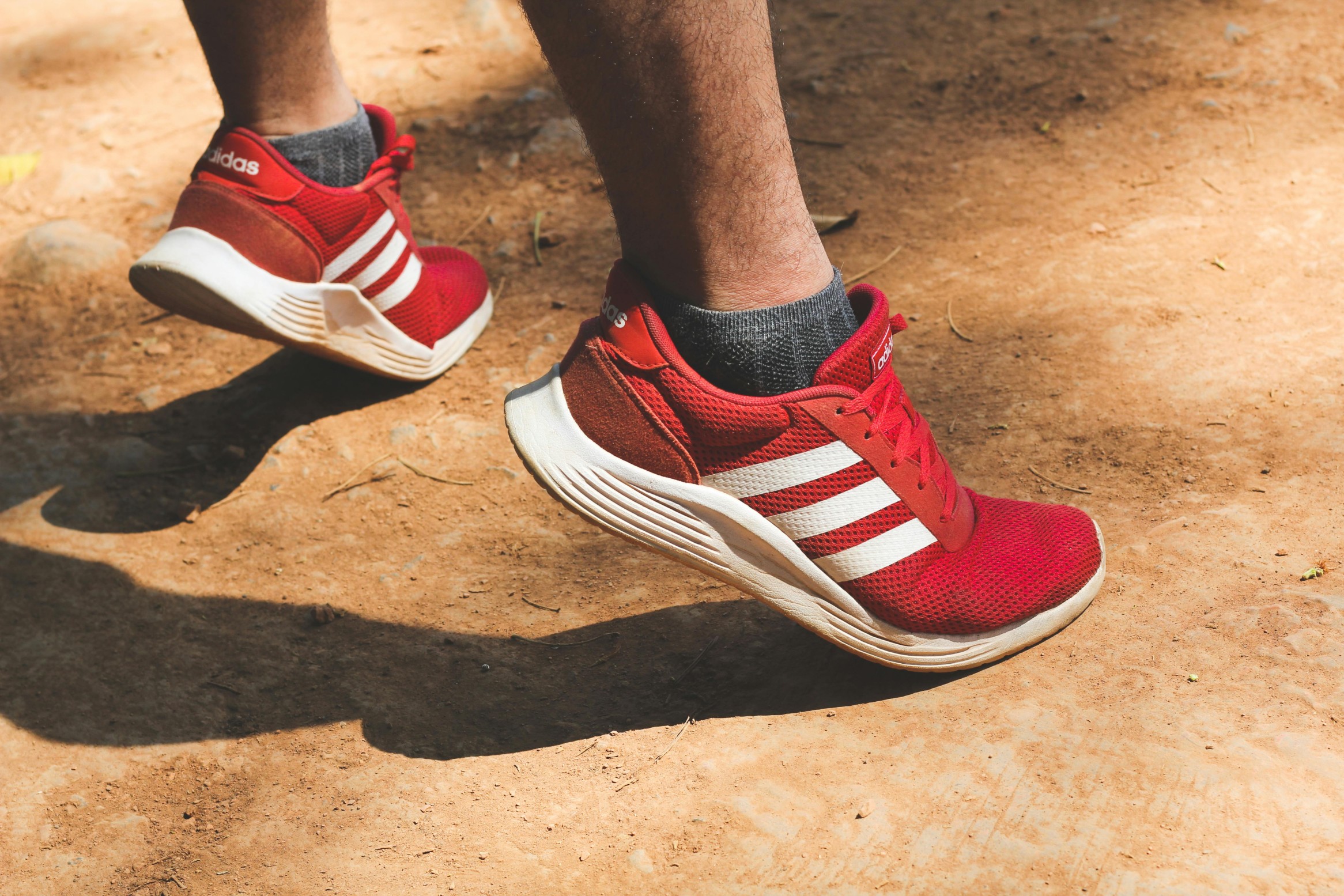
No, this does not mean power-walking turns you into a vampire with excellent calves. It does suggest that pace can reflect cardiovascular health, fitness levels, and overall wellbeing. Which is admittedly funny news for anyone who’s ever been told to slow down while accidentally leaving their entire friend group half a block behind.
The real lesson? Put some intention behind those steps
Fitness culture loves impossible-sounding targets and suspiciously cheerful challenge apps. But newer research is pointing toward something refreshingly simple: move your body regularly and, when possible, pick up the pace.

So maybe “gay walking speed” is a stereotype. Maybe it’s social conditioning. Maybe it’s years of weaving through crowds with military precision. Either way, the next time someone asks why you walk like you’re late to an appointment you never had, you can always say you’re working on your cardiovascular health.
The Great Britain Olympic speed walking team had an openly gay athlete on it – Tom Bosworth.