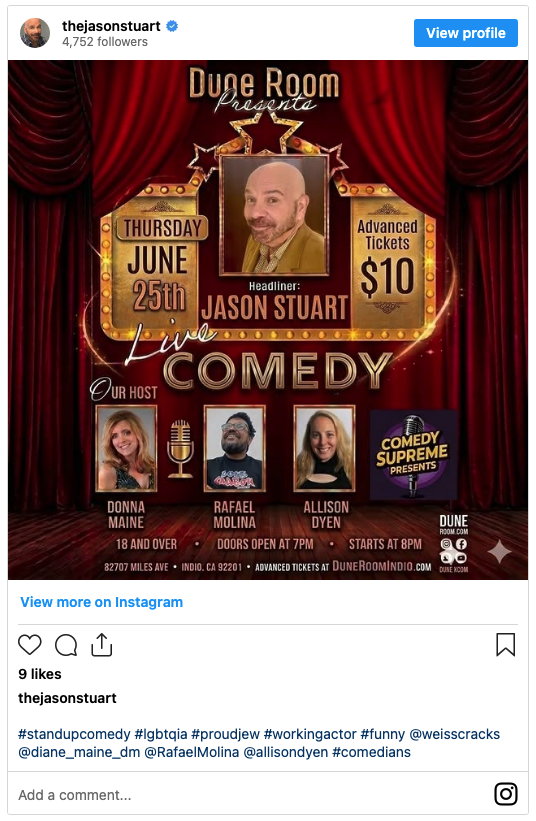


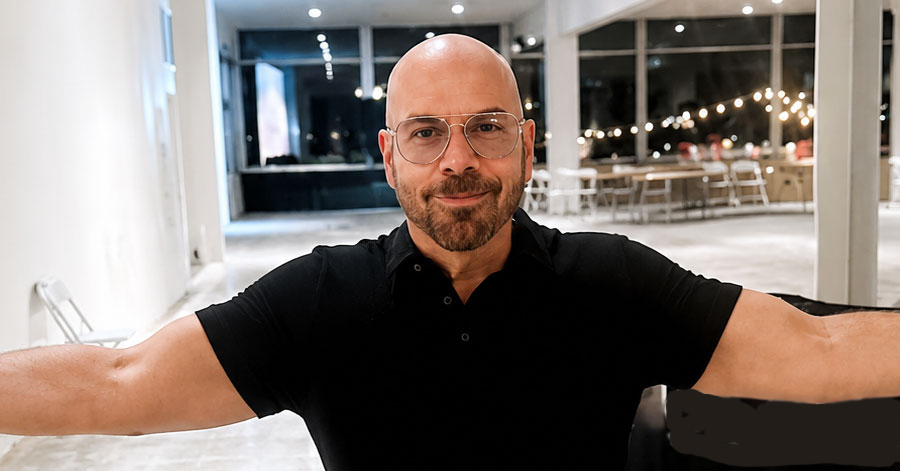
Out actor and stand-up comedian Jason Stuart is having quite the moment. The entertainment trailblazer co-wrote, directed, produced, and starred in the new indie film, REDLINING, currently being recognized — and winning honors — on the film festival circuit.
As one of the first stand-up comedians to come out as gay (despite professional risks), Stuart’s work in television, film, and comedy continues to evolve. Known for his fearless comedy and unapologetic voice, Stuart brings that same raw honesty and sharp insight to REDLINING, a film that confronts systemic inequality, personal identity, and the emotional cost of being pushed to the margins.
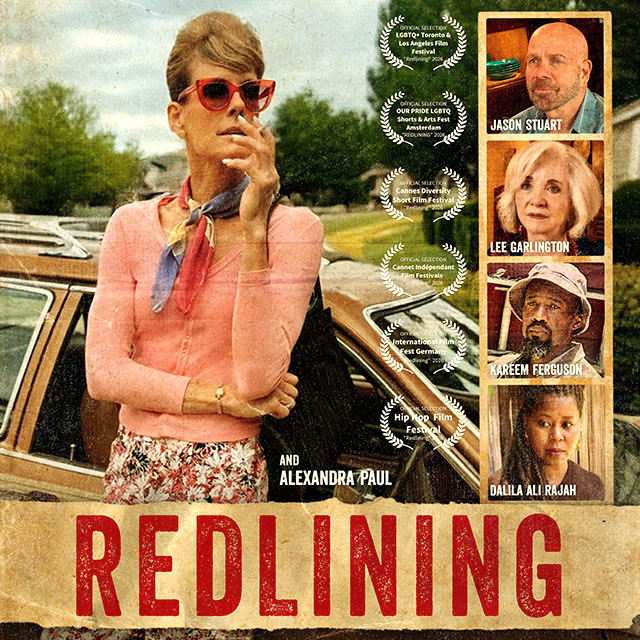
REDLINING explores the complex dynamics of generational wealth, privilege, and exclusion through nuanced performances and authentic, emotionally charged storytelling. Unflinching and deeply human, the film examines how inherited advantage—or the lack of it—shapes identity, opportunity, and survival.
The short film has been accepted at numerous prestigious film festivals around the world, winning honors at many, including the Cinematic Film Festival Paris, Cannet Independent Film Festival, LGBTQ+ Toronto & Los Angeles Virtual Film Festival, Cinematix Film Festival Milan, and Independent Film Fest Germany.
In addition to Stuart, the film features a terrific ensemble cast, including a standout performance by Alexandra Paul (Baywatch, Dragnet, American Flyers), who showcases remarkable range, aging from 40 to 75 on screen. Watch the trailer below.
Instinct recently spoke to the multi-hyphenate about the inspiration and success of REDLINING as well as how his history of breaking down doors continues to inform his creative evolution.
Instinct Magazine: You have described REDLINING as something deeply personal. What was the inspiration behind the film?
Jason Stuart: REDLINING came from a feeling a lot of us know too well: walking into a room and realizing the door may be open, but it was never really built for you. I wanted to tell a story about access. Who gets it, who inherits it, and who gets politely smiled at while being kept outside.
As a gay and Jewish man, and as someone who has spent a long career in Hollywood being one of the lucky ones who gets to make a living. I understand what it feels like to be tolerated instead of truly embraced. The film uses housing, class, and generational wealth as the frame, but at its heart, it’s about the emotional architecture of exclusion.
Also, I’ve always believed in my stand-up that you can make people laugh a little before you dig into their soul. It’s efficient. And very much a part of getting the point across in show business. Now I’m doing it with drama.
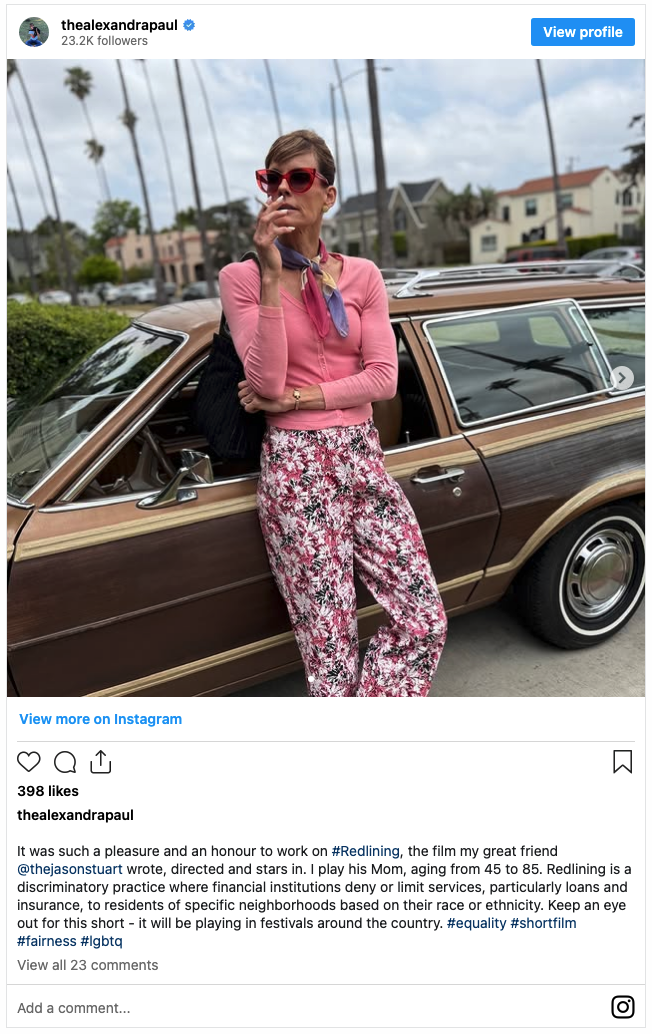
IM: The film has a terrific retro quality in its visual style. Did you know that was the look you wanted from the beginning?
JS: Yes, that retro look was very intentional. We wanted the film to feel a little haunted by the past because, frankly, America is. Some systems may have changed their clothes, but they did not change their attitude. The visual style gave us a way to talk about the past without pretending it stayed there.
Related: Coming of Age Movie ‘The Nature Of Us’
IM: The film is currently on the festival circuit, and you just won your first award for “Best Performances” from the LGBTQ+ Toronto and Los Angeles Film Festival. How does that make you feel?
JS: It means a lot. Truly. Awards mean eyes on your work. And that’s the goal I have as an artist. We also got the “Best Independent Short Film” from the Cannes Independent Film Festival in France. Any time your work is seen and understood, especially something personal, it’s moving. To be recognized by LGBTQ+ festivals makes it even more meaningful because that’s family. Slightly dysfunctional family, but family.
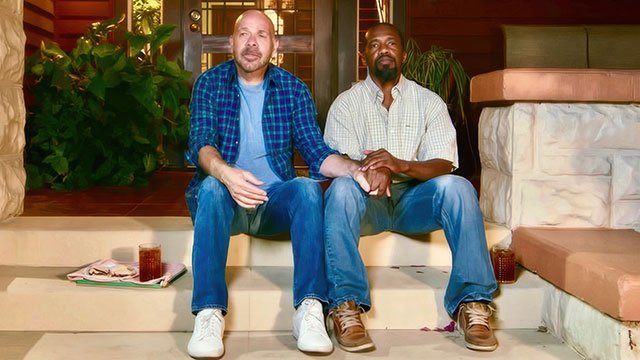
IM: REDLINING deals with generational wealth, exclusion, and inherited advantage. How did your own experiences as a gay man contribute to the storyline and your decision to make a film about this topic?
JS: When you’re gay, especially from my generation, you become very aware of systems early. You learn who is safe, who has power, who gets protected, and who gets told to be grateful just to be in the room. That awareness absolutely shaped the story and my life as an actor in this industry.
I’ve spent a lot of my life watching how privilege works when it’s invisible to the people who have it. That applies to sexuality, class, race, housing, Hollywood, all of it. REDLINING is about money and property, yes, but it’s also about belonging. Who gets to feel at home in America? For some people, that answer came with a deed. For others, it came with a warning.
REDLINING, Legacy, And Living Out Loud
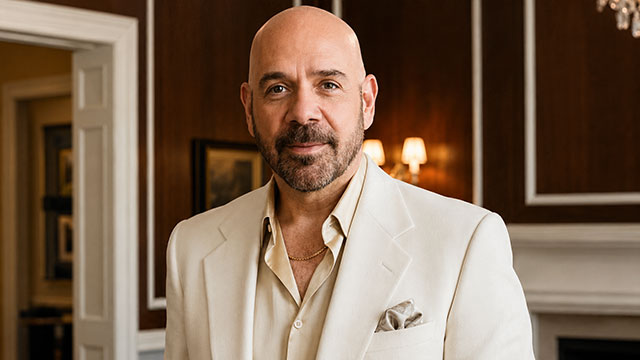
IM: You’ve played both gay and straight roles at a time when that was rare. How do you think that experience shaped your understanding of identity as performance?
JS: It taught me that identity and performance are always in conversation, but they are not the same thing. Acting is about revealing truth, not hiding it. Ironically, in Hollywood, there were times when playing straight was considered “acting,” and playing gay was considered “confessing.” That is a very strange business model.
Playing different kinds of roles made me understand how much of acting is an art form. I wanted to be like Dustin Hoffman when I was a kid, but the inside of me was more like I was Barbra Streisand! Now I just want to tell stories, work with talented people, and disappear in each role.
Comedy taught me timing. Drama taught me depth. Being openly gay in the business taught me endurance. And when you break the ground, do you get to walk on it? I say your damn right, I’m gonna walk on it!
IM: You came out on The Geraldo Show in the 1990s, paving the way for other comics, young and old, to do the same. How hard or easy was it for you to make that decision?
JS: It wasn’t easy. Anybody who tells you coming out publicly in the ’90s was casual is either lying or was heavily medicated. There was real risk: professionally, personally, emotionally. You knew you might lose work, lose representation, lose people’s comfort. And people get very attached to their comfort. But I also knew hiding was costing me something. There comes a point when silence becomes more exhausting than fear. So I did it. Not because I was fearless, but because I was tired. Sometimes courage is just emotional fatigue with good lighting.
IM: Looking back, do you think coming out cost you opportunities, or did it ultimately open other doors for you?
JS: Both. That’s the honest answer. I’m sure I lost opportunities. There were rooms that got quieter when I walked in, and not in the good “he’s a star” way. More in the “who booked him?” way. I got fired a few times for the same reason they hired me.
But it also opened better doors. Doors where I didn’t have to leave myself outside. Like playing a slave owner in “The Birth Of A Nation,” a detective who deals in spyware in the thriller “Immortal,” the red herring in the horror film “Blackwood,” a basketball coach in “I Got Next.” It brought me a real audience, real purpose, and a career with integrity. In Hollywood, that’s practically a superhero origin story.
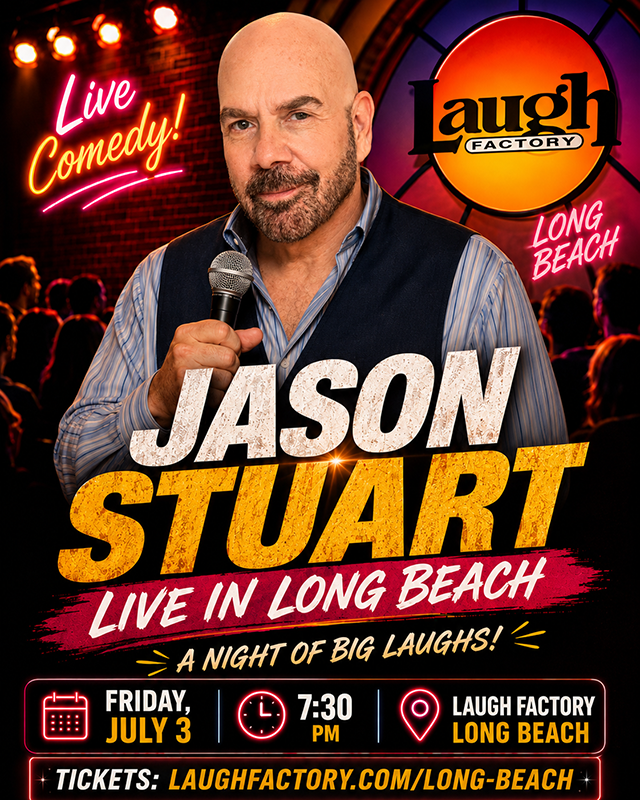
IM: You still perform stand-up all over the country. How has the stand-up circuit changed for LGBTQ+ comedians since you first started?
JS: It has changed enormously. When I started, being openly gay onstage could feel like you were doing a comedy set and a hostage negotiation at the same time. Now there’s far more visibility, more community, and audiences are often ahead of the industry. That said, progress is never a straight line. No pun intended, although I’ll happily take it.
There is more opportunity now, but there’s also more noise. Social media has given everybody a microphone, which is both beautiful and horrifying. But overall, LGBTQ+ comics today have more room to be specific, weird, political, tender, outrageous, personal, all the things comedy should be. A year and a half ago, I was in a special called “Laugh Proud” that filmmaker Quentin Lee made for Amazon. And all the comedians were every color in the rainbow and also unapologetic. It really touched my heart.
IM: Anything else you’d like to share with our readers?
JS: Stories matter because they help us see what power tries to keep invisible. If REDLINING does anything, I hope it gets people to think more deeply about what we inherit – not just money or property, but ideas, fears, biases, silence, and the systems we’re told are “just the way things are.”
And also, please support independent film. We’re out here making art on passion, caffeine, favors, and whatever dignity is left after paying all the festival fees and trying to find a parking space in Los Angeles!
For more info on Jason, click over to his official website here, and follow him on Instagram below. REDLINING is expected to be available to audiences in early 2027 following its journey on the film festival circuit.