


For LGBTQ+ people, a night out is supposed to be about dancing, flirting, catching up with friends and making questionable decisions about whether one more drink is actually a good idea. In Turkey and Australia, however, recent police operations have put LGBTQ+ nightlife under a much more uncomfortable spotlight.
RELATED: James Talarico’s Trans Sports Shift: What Changed?

In Turkey, police detained at least 47 people during raids on LGBTQ+ organisations, venues and the homes of activists. In Sydney, meanwhile, police conducted another drug operation across Oxford Street venues just months after an earlier round of raids prompted calls for an investigation into the impact on LGBTQI+ nightlife.
The circumstances are very different. Turkey’s operation has drawn condemnation from human rights groups, which have accused the government of increasingly targeting LGBTQ+ people and organisations, while NSW Police insists its Sydney operation was aimed at drug supply and offending across an entire entertainment precinct. But for people who rely on LGBTQ+ venues as places to feel safe and visible, the scenes coming out of both countries raise an uncomfortable question: when does policing nightlife start making the people in it feel like the problem?
RELATED: FBI Loosens Hiring Rules on Bestiality, Prostitution and Theft
Turkey’s “My Family is Safe” raids
Turkish police detained at least 47 people in raids across 12 provinces over the weekend, according to officials. The operation was conducted under the name “My Family is Safe”, a campaign the government says is intended to protect family values.
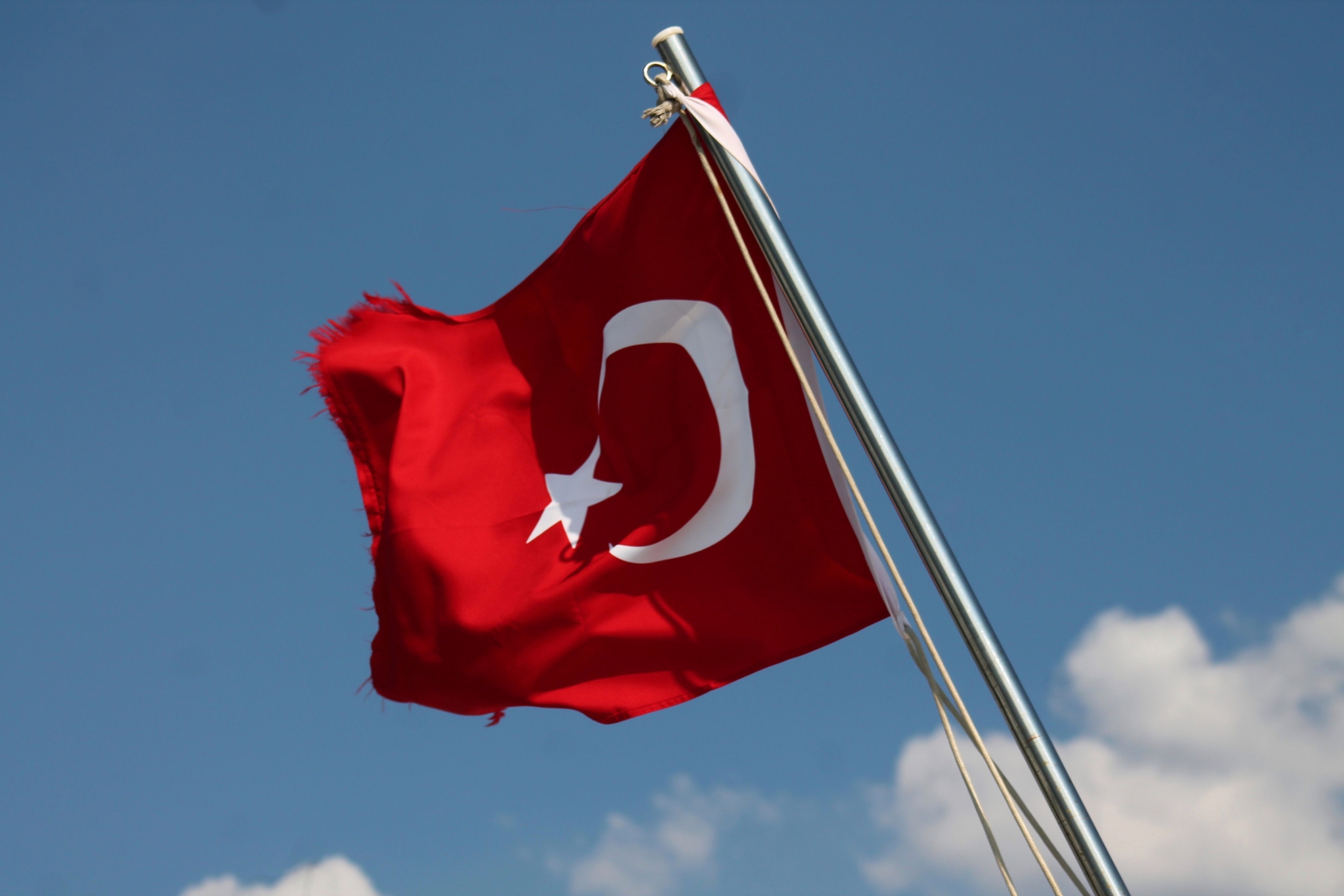
One of the targets was LGBTQ+ association Kaos GL, while police also raided the homes of LGBTQ+ activists.
The Istanbul chief prosecutor’s office said officers detained 26 people and seized drugs, digital equipment, smuggled alcohol and a firearm. Separately, the Ankara chief prosecutor’s office said another 21 people had been detained as part of an investigation into Kaos GL.
Kaos GL said the number of activists detained was even higher, putting the figure at 50, with more than 10 people taken after police raids on their homes.
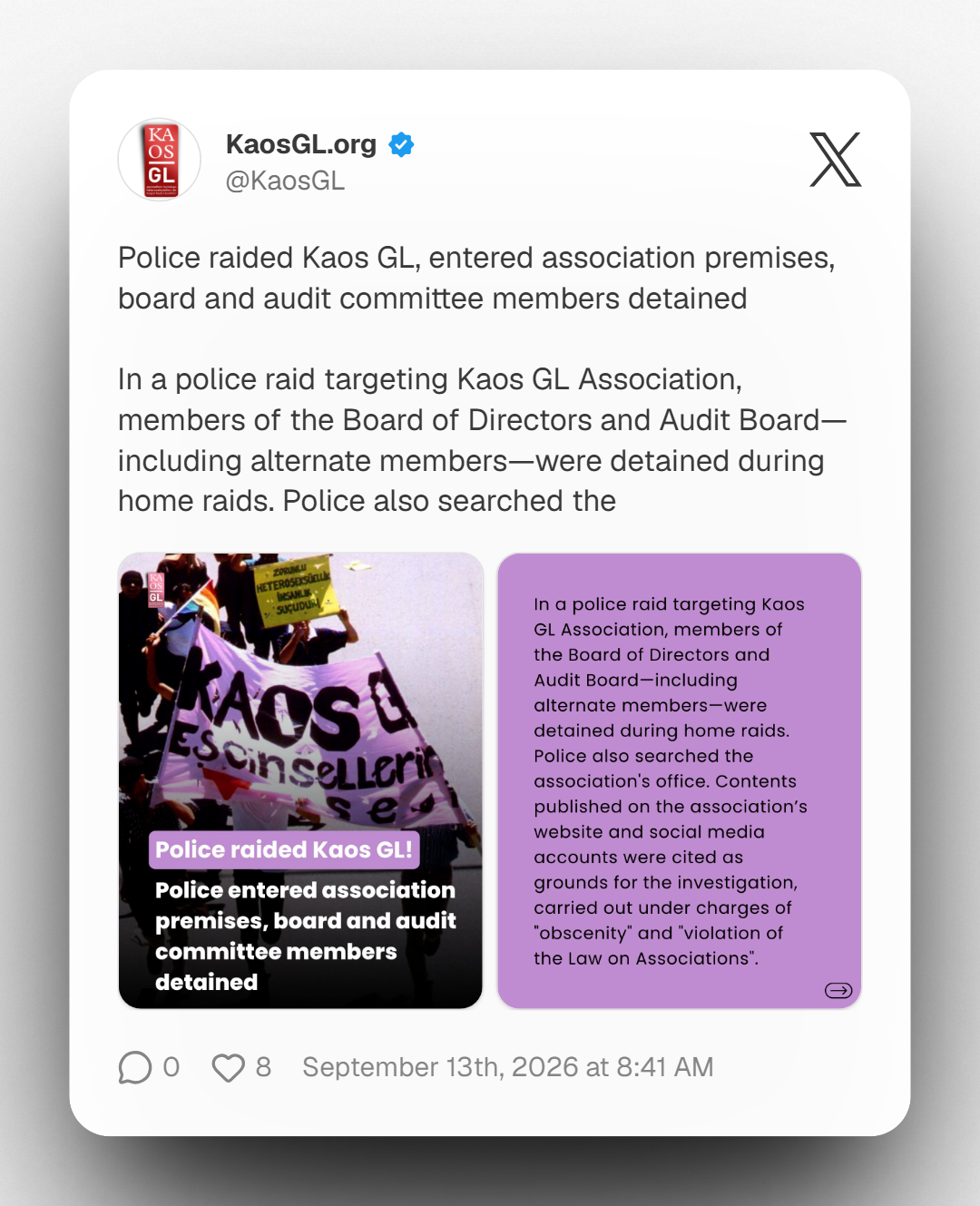
The organisation also said authorities had blocked several websites and social media accounts linked to LGBTQ+ organisations. According to Kaos GL, authorities accused the group of making “obscenity” in online posts accessible to children and demanded that its X account, along with those of around 15 other LGBTQ+ organisations, be shut down.
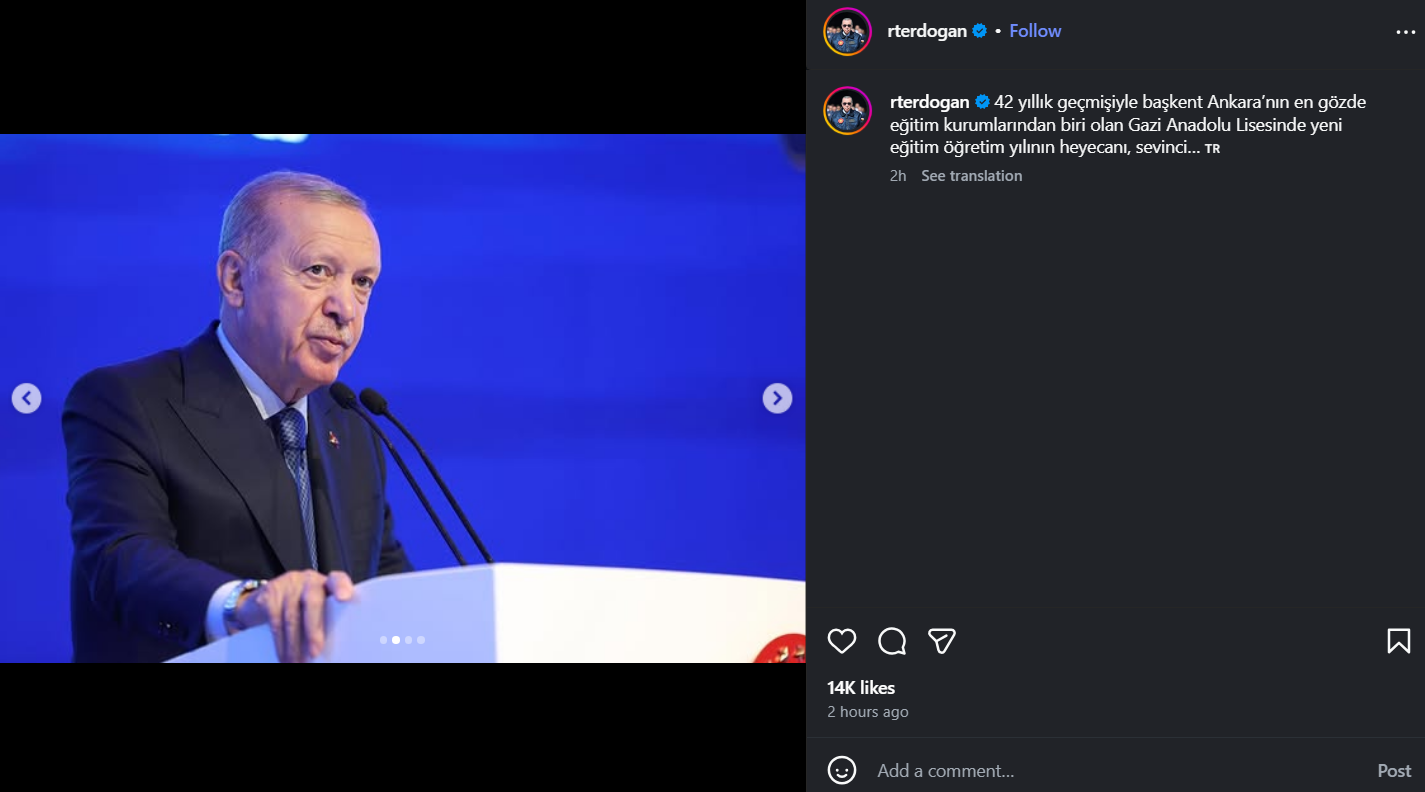
Same-sex relations are not illegal in Turkey, but LGBTQ+ people continue to face significant hostility. President Recep Tayyip Erdogan has previously described LGBTQ people as “perverts” and blamed them for the country’s falling birth rate.
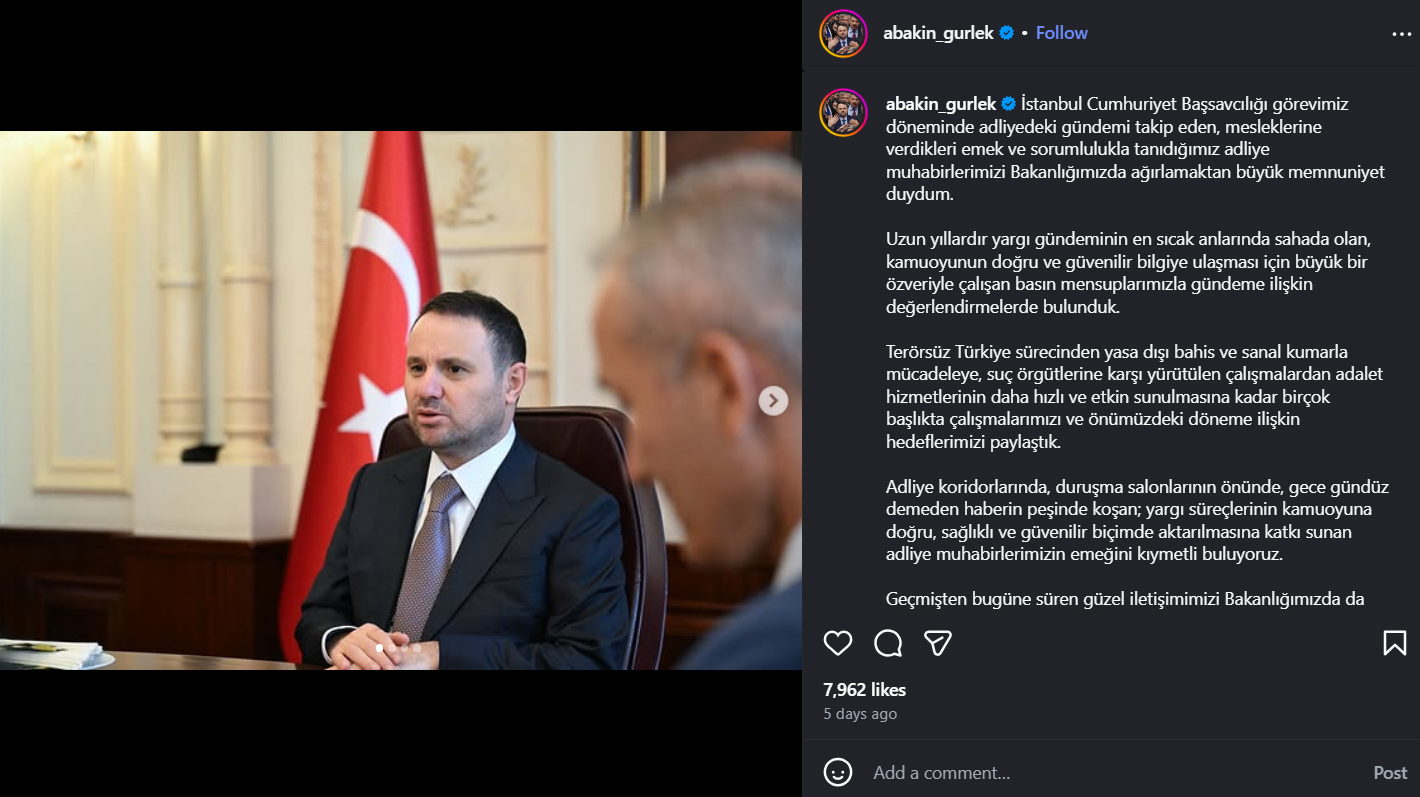
Turkish Justice Minister Akin Gurlek said legal proceedings had been launched against more than 160 people and a number of organisations and companies under the wider “Decade of the Family” campaign.
The Turkish Human Rights Association, however, says the government’s campaign has increasingly been used to target LGBTQ+ people.
“The real name of this operation is not ‘My Family is Safe’; it is state-led discrimination, politics of fear and the dismantling of civil society,” the organisation said on X.
THE “MY FAMILY IS SAFE” OPERATION OF THE 12 SEPTEMBER MINDSET: END THE POLITICAL PURGE OF HUMAN RIGHTS ORGANISATIONS!
On the anniversary of the 12 September military coup, access to the accounts of LGBTI+ organisations, journalists and human rights defenders has been blocked,…
— İHD Genel Merkezi (@ihdgenelmerkez) September 14, 2026
That criticism gets to the heart of the concern for LGBTQ+ groups. A campaign presented as protecting families can mean something very different when LGBTQ+ organisations, activists and venues are among its targets.
Sydney’s Oxford Street raid raises familiar concerns
Half a world away, Sydney’s LGBTQI+ nightlife scene has its own policing controversy.
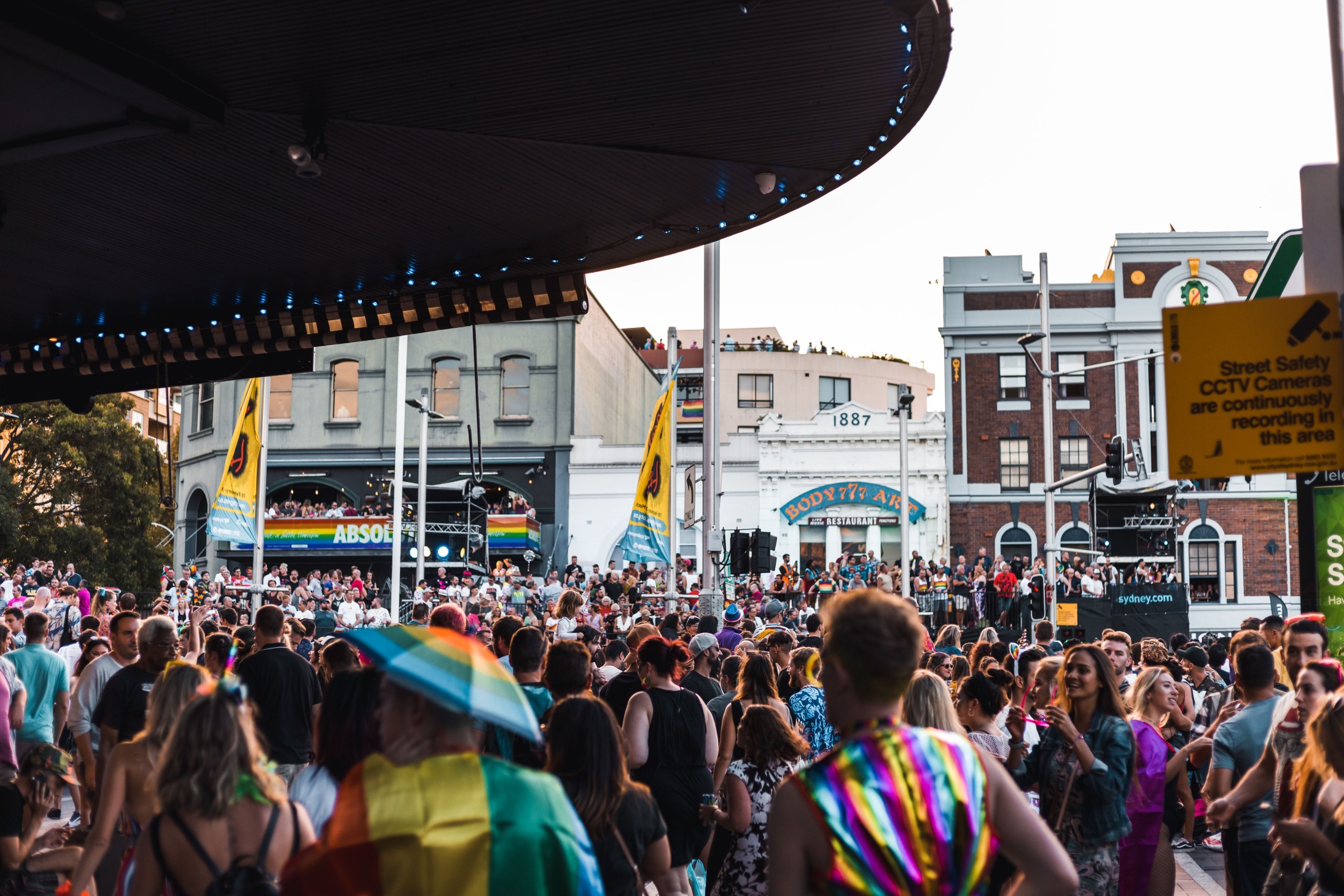
More than a dozen NSW police officers raided several Oxford Street venues just one day after the state government held a roundtable focused on the experiences of LGBTQI+ nightlife operators following drug raids in June.
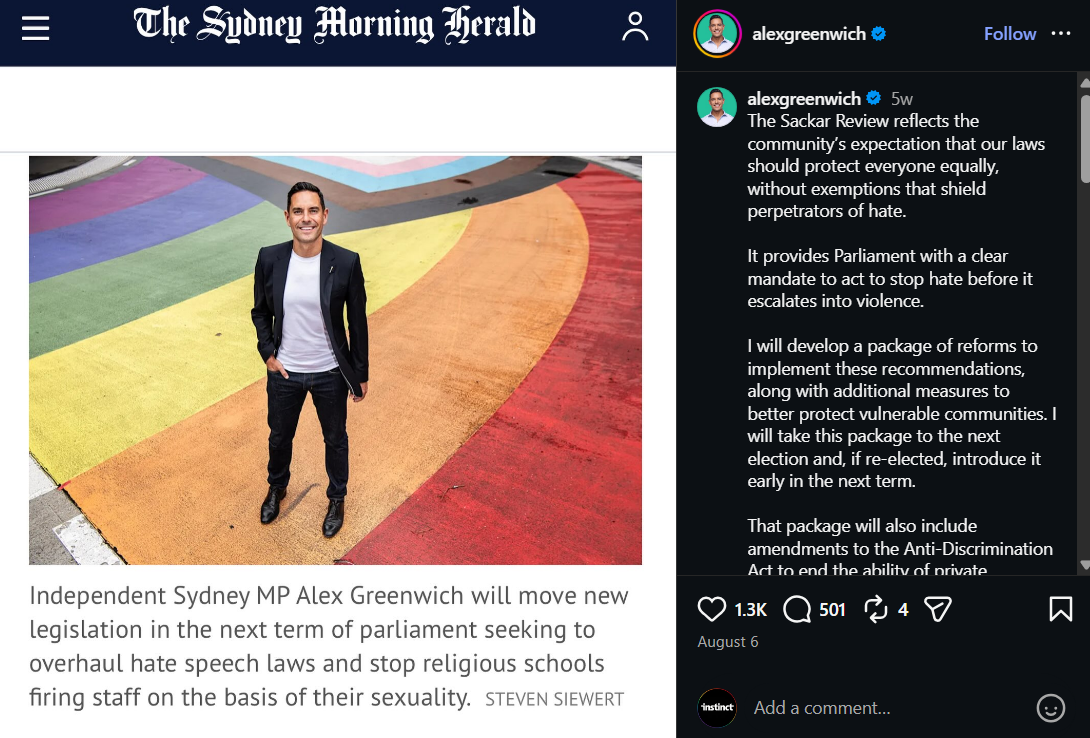
Sydney MP Alex Greenwich said officers with drug-detection dogs were allegedly asking patrons at several Oxford Street venues to remove clothing in public view, walking dogs along queues and questioning people about why they were leaving venues or what they were doing in the bathroom.
Greenwich said between 12 and 20 officers entered multiple LGBTQI+ venues, including Darlinghurst’s Universal, Palms, Arq and Kinselas, as well as The Dolphin and The Beresford in Surry Hills and Darlinghurst’s Oxford Art Factory.
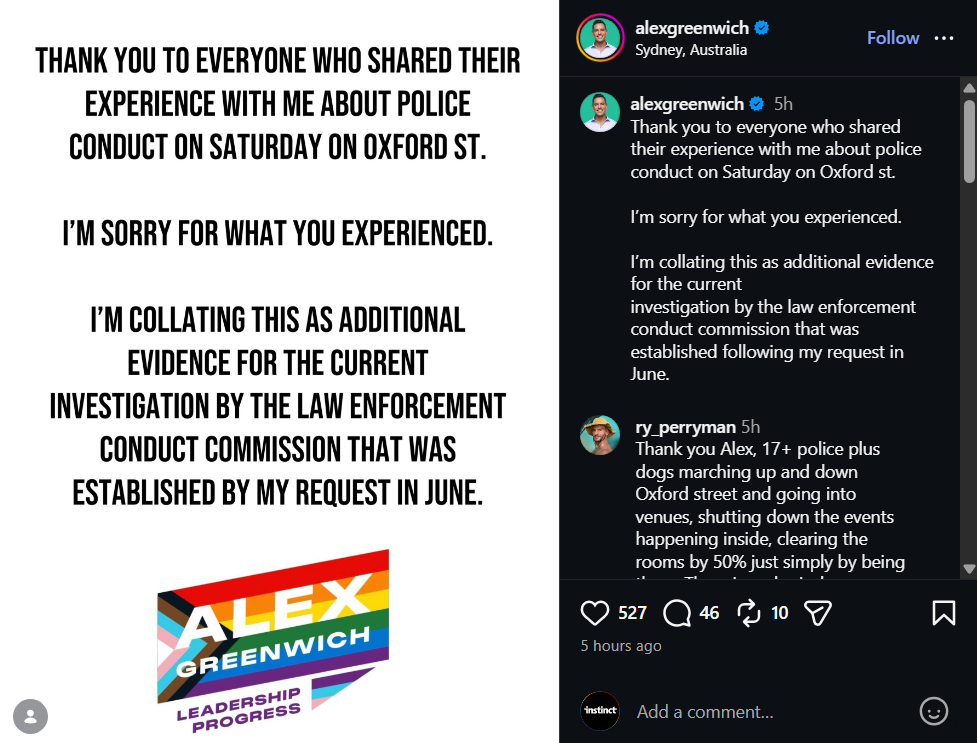
NSW Police Acting Deputy Commissioner Peter McKenna said 65 people were searched during what he described as an “intelligence-led, prevention-focused, high-visibility operation in Surry Hills”.
The operation resulted in 28 drug detections, 12 fines, six cannabis cautions and one move-on direction. Police also inspected 15 venues, identifying four licensing breaches and one minor inside a venue. The operation resulted in no arrests or charges.
“Officers were deployed to the Oxford Street Entertainment Precinct where they aimed to proactively disrupt and address drug supply and possession, antisocial behaviour and other offences related to illicit drugs,” McKenna said.
McKenna also said NSW Police conducted similar operations elsewhere in the state and argued that Oxford Street had a higher-than-average detection rate for prohibited drugs.
“There is no targeting of any venues frequented by any minority group, but rather the whole entertainment precinct, in line with every other police command,” McKenna continued.
That distinction matters. Police say the operation was about drugs and public safety, not LGBTQI+ people. But the people inside those venues experienced the operation from the other side of the flashing lights.
“People were scared”
Arq patron James Twigg was at the venue with around 20 friends at about midnight when he said roughly 15 officers “stormed” the packed club, which had about 200 patrons inside.
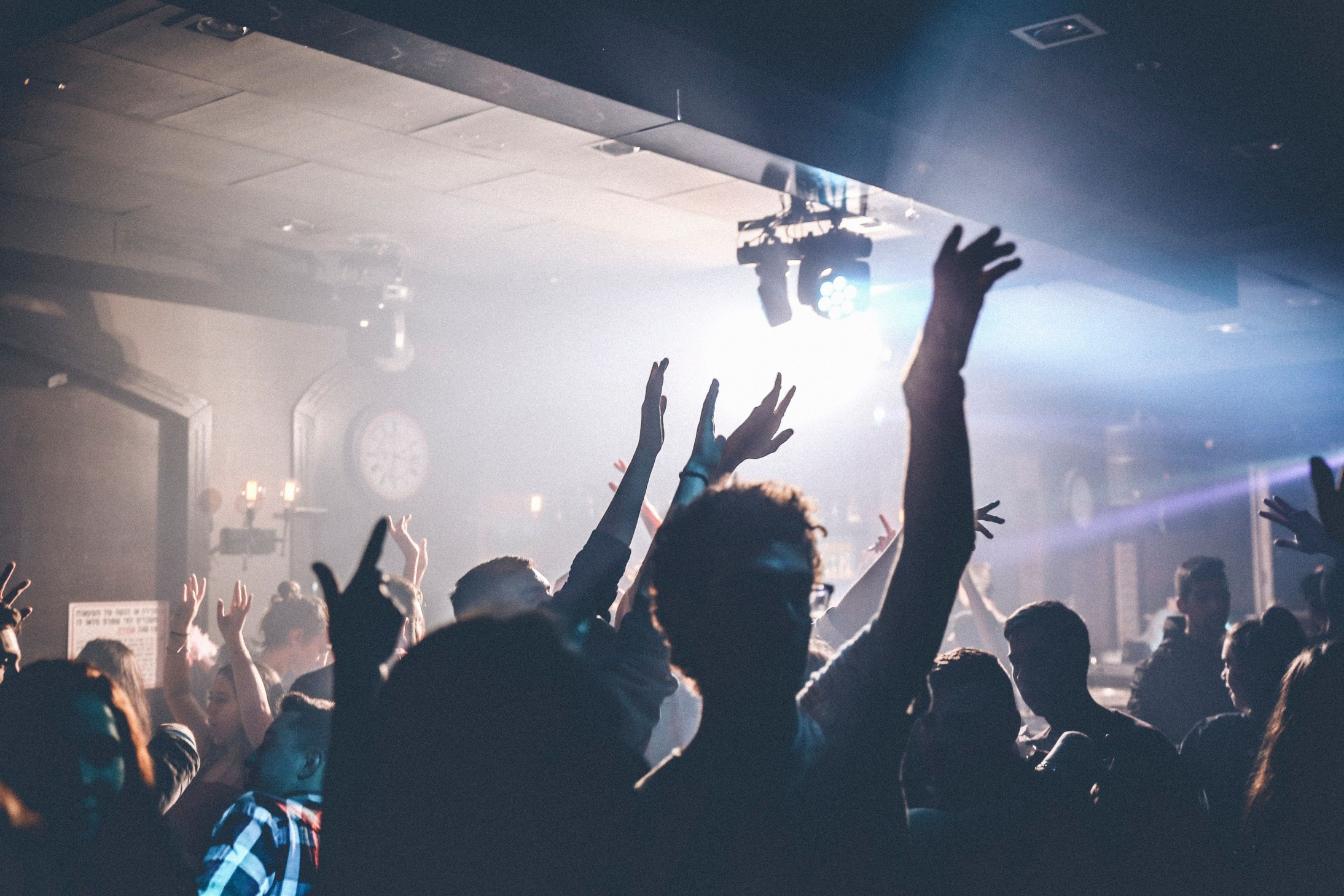
About half the crowd left almost immediately.
“People were scared,” Twigg said. “The police were not aggressive. They weren’t verbally or physically aggressive. The raid just seemed aggressive in nature, and it made people feel really uneasy.”
That distinction is striking. A police operation does not necessarily need to involve shouting, physical force or obvious confrontation to make a room full of LGBTQI+ people feel unsafe.
Twigg said the community felt as though they had become an “easy win” for police.
“My friends from Brisbane and my mates from Melbourne refuse to come and party any more in Sydney because they’re so scared of the NSW police force, ” he said.
Footage he captured showed groups of police standing inside a nearly empty venue while music continued to play and patrons were questioned or searched.
It is difficult to imagine a less glamorous nightclub experience. The music is still playing, but suddenly everyone is wondering whether they should simply go home.
A raid that came while another investigation was still open
The latest operation has drawn particular criticism because it came while scrutiny of June’s raids was still unresolved.
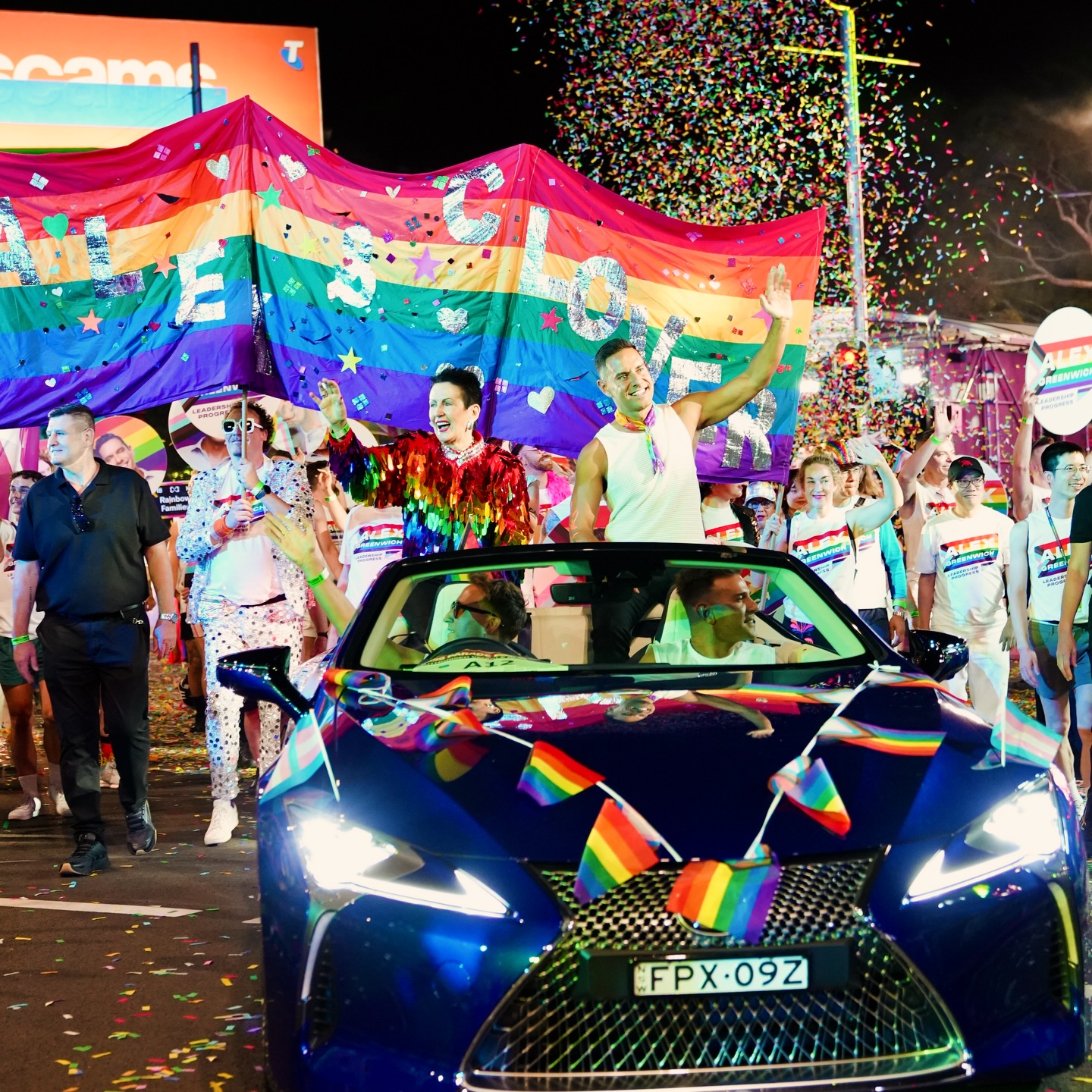
After those June operations, Greenwich and Sydney Lord Mayor Clover Moore asked the police watchdog to investigate. The initial probe cleared the officers involved of wrongdoing, but the Law Enforcement Conduct Commission ordered NSW Police to reopen the misconduct investigation in August.
At the time, police said the operation was intended to improve community safety. Of the 93 people searched, 42 resulted in drug detections.
Last Friday, representatives for Police Minister Yasmin Catley, Arts and Nighttime Economy Minister John Graham, Greenwich, City of Sydney Councillor Jess Miller and hospitality stakeholders met to discuss the experiences of LGBTQI+ venue owners and promoters.
Then came another Oxford Street operation.
Redfern Legal Centre’s Rian Terrell said repeated deployments of drug dogs at Oxford Street venues and among patrons “amount to targeted harassment of the LGBTQIA+ community”.
“That NSW Police chose to raid Oxford Street again, when that investigation has not concluded, raises further concerns,” Terrell said.
“Drug detection dogs are intimidating and a safety risk, encouraging patrons to engage in risky behaviour such as ‘preloading’ or panic consumption. The significant harm caused by deploying drug dogs and searching members of the LGBTQI+ community is not justified.”
The numbers tell part of the story
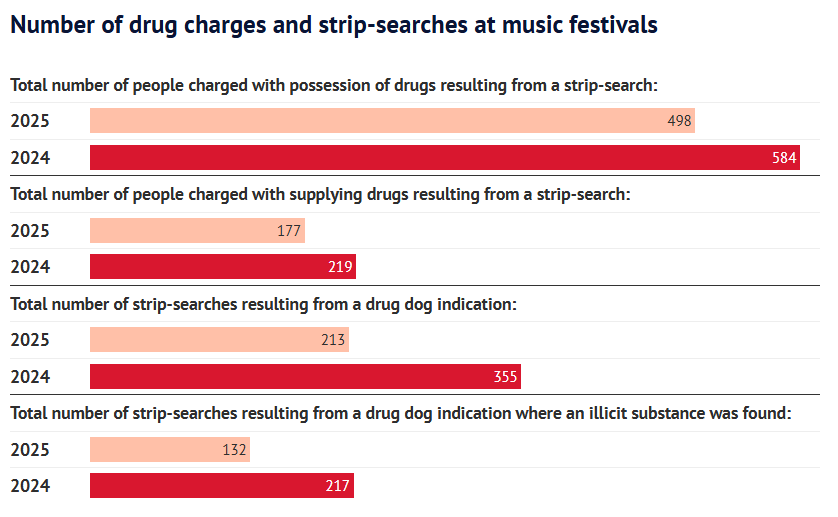
The number of strip searches resulting from a drug-dog indication also fell between 2024 and 2025, according to NSW Police data provided to parliament.
In 2025, 213 strip searches resulted from a drug-dog indication, with 132 people found with an illicit substance. In 2024, there were 355 such searches, with 217 people found with an illicit substance.
But the broader argument is not simply about whether drugs are being found. LGBTQI+ venue operators and advocates are questioning what happens to a nightlife scene when large-scale searches become part of the experience of going out.
The state’s peak body for nightlife and hospitality venues also condemned the Oxford Street raids.
“Nobody in the nighttime economy is arguing that police should ignore serious crime or organised drug supply. Of course they shouldn’t,” Night Time Industries Association vice-chair James Thorpe said.
“Searching large numbers of patrons in gay venues and producing fines for low-level possession is not the same thing as dismantling the supply chain.”
Thorpe also criticised what he described as an “extraordinary disconnect” between licensing police and Labor’s $150 million nightlife vibrancy reforms agenda.
The tension is hard to miss. Governments can talk about revitalising nightlife, attracting people back into city centres and supporting LGBTQI+ venues, but those ambitions become considerably harder to sell when patrons feel that a night out could end with a police dog sniffing its way through the queue.
Two countries, two very different LGBTQ+ situations
It would be misleading to treat Turkey and Sydney as identical cases.
In Turkey, LGBTQ+ organisations and activists are being swept into a government campaign that authorities say is intended to protect families and children, with human rights groups accusing authorities of using that campaign to suppress LGBTQ+ people and civil society.
In Sydney, NSW Police denies targeting LGBTQI+ venues and says the Oxford Street operation was part of broader efforts to tackle drugs and antisocial behaviour across the entertainment precinct.
Still, the experiences of the people affected deserve attention.
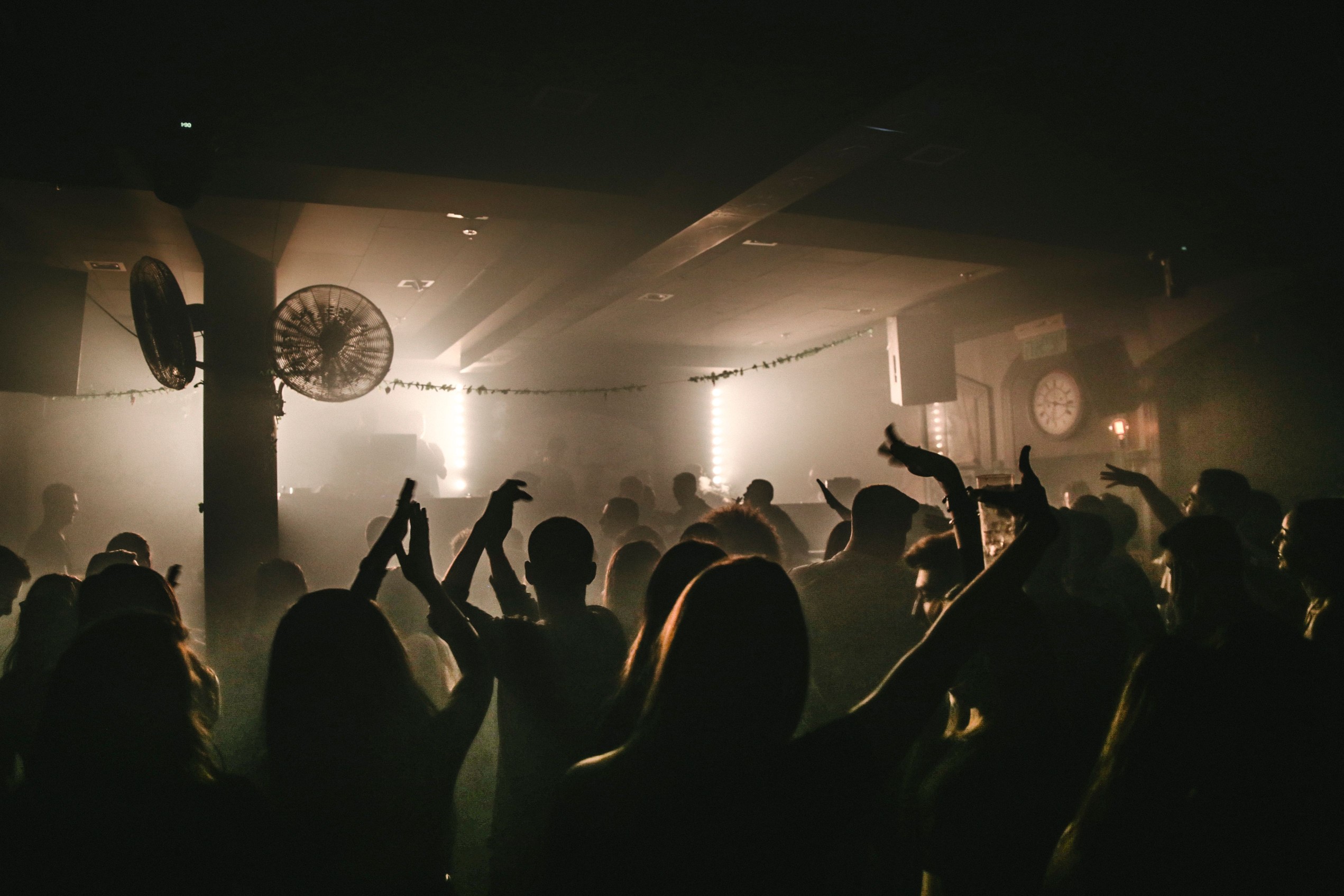
For LGBTQ+ people, nightlife is not simply another consumer activity. Bars and clubs can be social spaces, community spaces and, for some, the first places where they feel comfortable being openly themselves.
That makes the atmosphere around policing particularly important.
A police operation can be legally authorised and still leave patrons feeling intimidated. A government can say an operation is about protecting the public while the people inside the venues feel less safe as a result.
And nobody wants to spend their Saturday night wondering whether the biggest threat to the vibe is the DJ changing the song too early or a police raid clearing half the dance floor.
The question for governments and police is therefore bigger than how many drugs were detected or how many people were searched. It is whether the people who use LGBTQI+ spaces actually feel safer when the police arrive — or whether they simply feel like they have been singled out.
Because a nightlife scene cannot exactly thrive when the people it’s supposed to welcome are afraid to walk through the door.