


Kratom’s primary compound, mitragynine, is part of the newly revealed cause of death for adult film star and content creator Christian Styles, who died at 29 from alcohol and mitragynine toxicity.
RELATED: Gay Adult Creator Noah Segsy Dies at 22 After Drowning in Cyprus

Styles, whose legal name was Zachary Jaghab, died on Aug. 20 in what his family described as a “sudden and heartbreaking loss.” A GoFundMe was launched to help cover his funeral and burial expenses.
According to a Wayne County Medical Examiner autopsy obtained by PEOPLE, toxicology testing found a blood alcohol concentration of 0.168% and a blood mitragynine level of 87 ng/mL. The medical examiner noted that the combined use of the substances “increases the risk for sudden death.”
The finding provides new clarity around Styles’ death while putting a lesser-known substance in the spotlight. Mitragynine is one of kratom’s primary alkaloids and interacts with opioid receptors in the brain. So, what exactly is kratom—and what does mitragynine do?
RELATED: Christian Styles Dies at 29: Gay Adult Star Remembered
Christian Styles’ Death Was Investigated by Police
Canton Township Police Chief Joseph Bialy previously told TMZ that officers were sent to Jaghab’s residence after receiving a report of a “non-responsive adult male.”
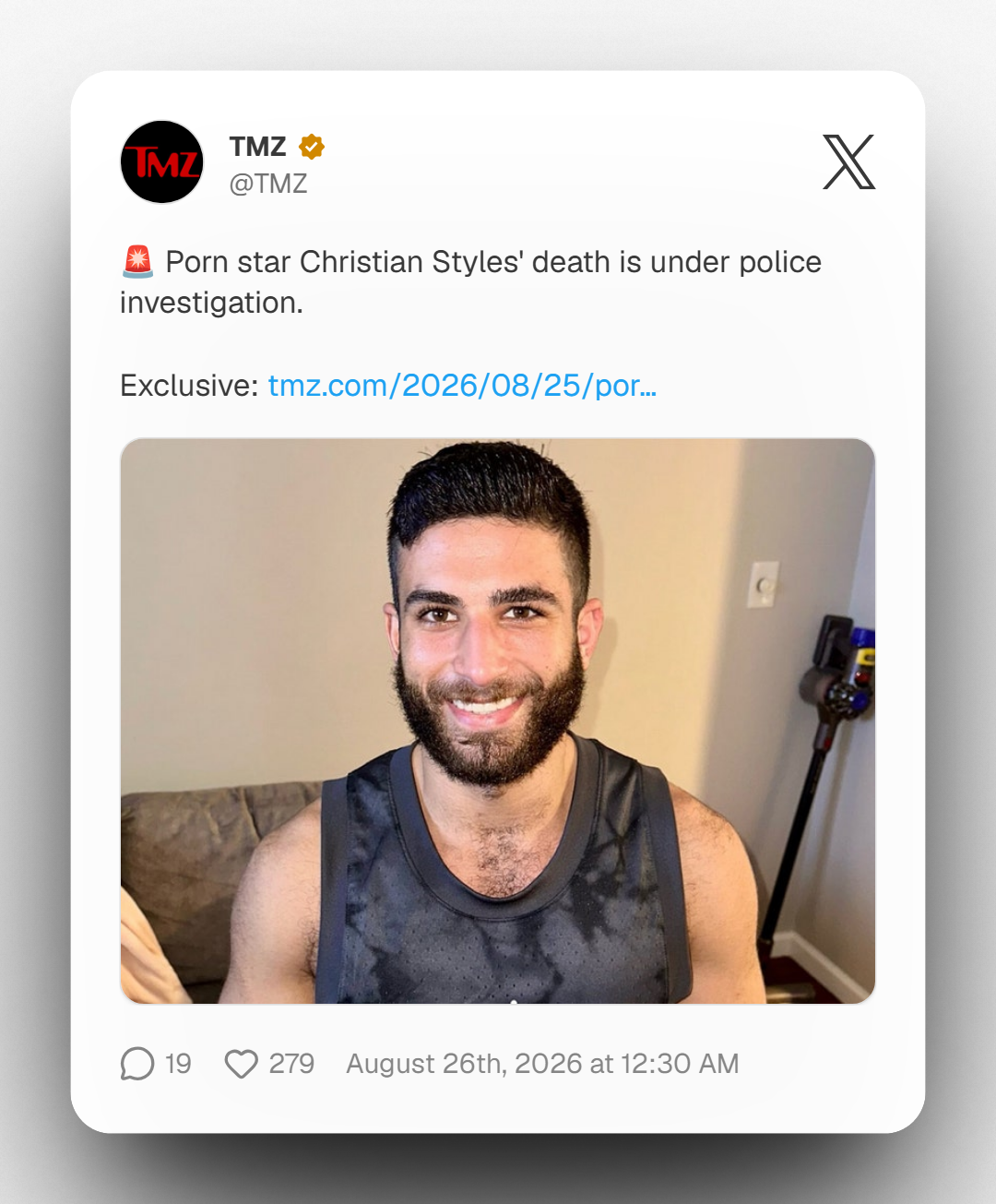
Police began a death investigation in coordination with the Wayne County Medical Examiner’s Office to determine the circumstances of his death.
Jaghab was born and raised in Canton, Michigan, and entered the adult entertainment industry in 2021. He later built a following of more than a million people across Instagram and X, while also promoting his OnlyFans page.
His family remembered him in the GoFundMe tribute as “an adored uncle, family member, and dear friend to many.”
The fundraiser also said his parents, Johnny and Ellen, “are also carrying their own serious health struggles, including cancer, making this season even more overwhelming.”
What Is Mitragynine?
Mitragynine may be the less familiar part of the medical examiner’s finding.
Mitragynine is a naturally occurring compound found in the leaves of Mitragyna speciosa, the plant commonly known as kratom. It is one of kratom’s primary alkaloids and interacts with opioid receptors in the brain, including the mu opioid receptor.
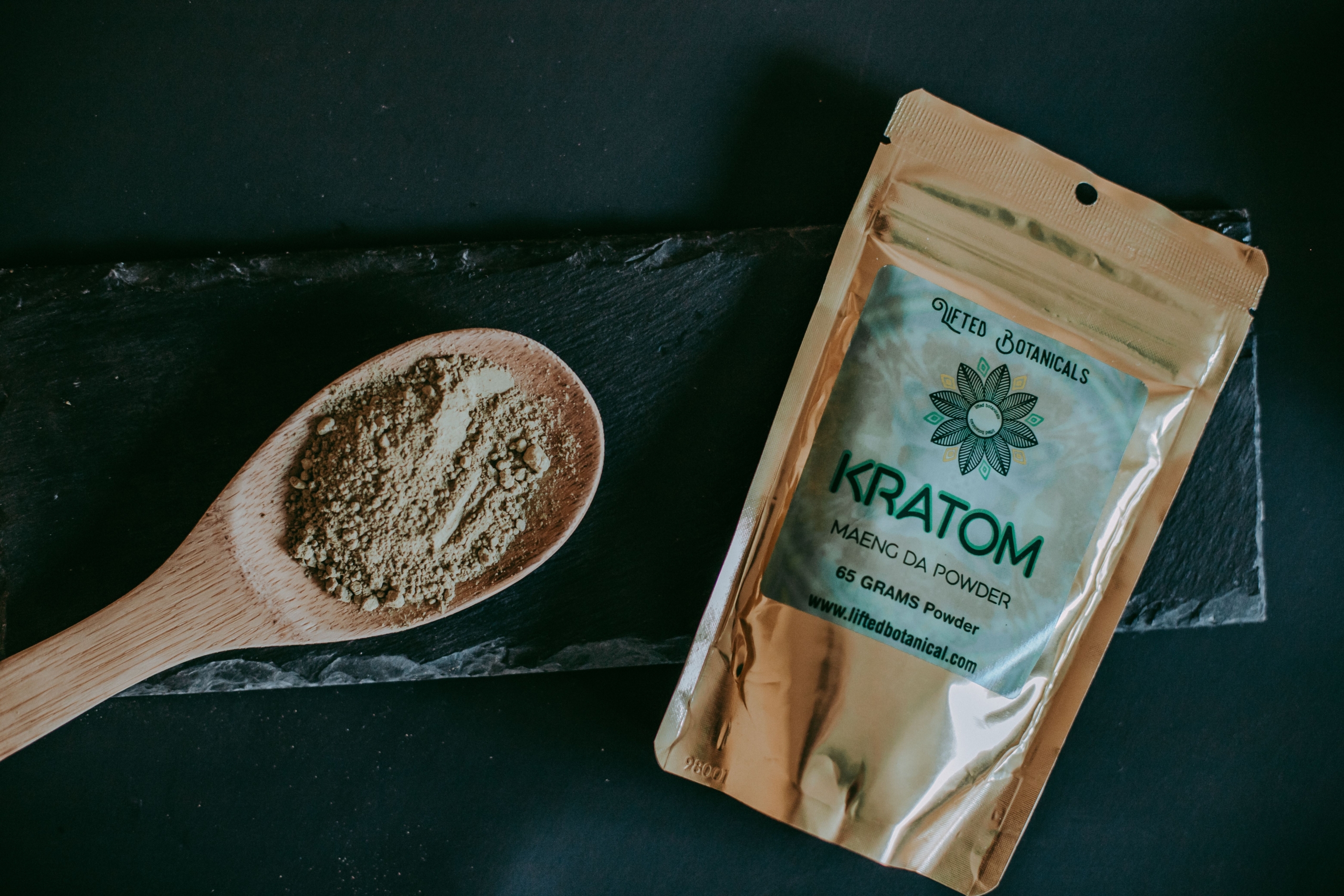
Kratom is a plant native to parts of Southeast Asia, including Thailand, Malaysia, and Indonesia. Its leaves have traditionally been used for medicinal and recreational purposes, while products containing kratom have become increasingly available in the United States.
And no, “it comes from a plant” does not automatically mean “nothing to worry about.” Kratom can have different effects depending on the amount consumed.
At lower doses, kratom can act as a stimulant and is sometimes marketed for energy or anxiety management. At higher doses, it can have more sedating, opioid-like effects. That dose-dependent shift can make its effects difficult to predict.
“Like any substance you use, it can have negative effects if you’re using it too much, in large quantities, or for too long,” Dr. Weimer says. “And if you use it regularly enough, say consistently for two weeks, then you’re going to be at risk for opioid withdrawal and dependence because of its opioid properties.”
Is Kratom an Opioid?
Not exactly in the traditional sense. Kratom does not come from the opium poppy, so it is not considered a traditional opioid such as morphine or oxycodone. But its primary compounds, including mitragynine and 7-hydroxymitragynine, are considered atypical opioids or partial opioid agonists because they interact with opioid receptors. That doesn’t make kratom harmless.
Kratom can cause physical dependence and has been associated with opioid-like withdrawal symptoms. It also interacts with the brain’s serotonin system, which plays a role in regulating mood.
The substance is sold in a variety of forms, including powders, capsules, tablets, concentrated liquids and gummies. In the U.S., it can be found in places ranging from online stores to gas stations and smoke shops, while regulations differ from state to state.
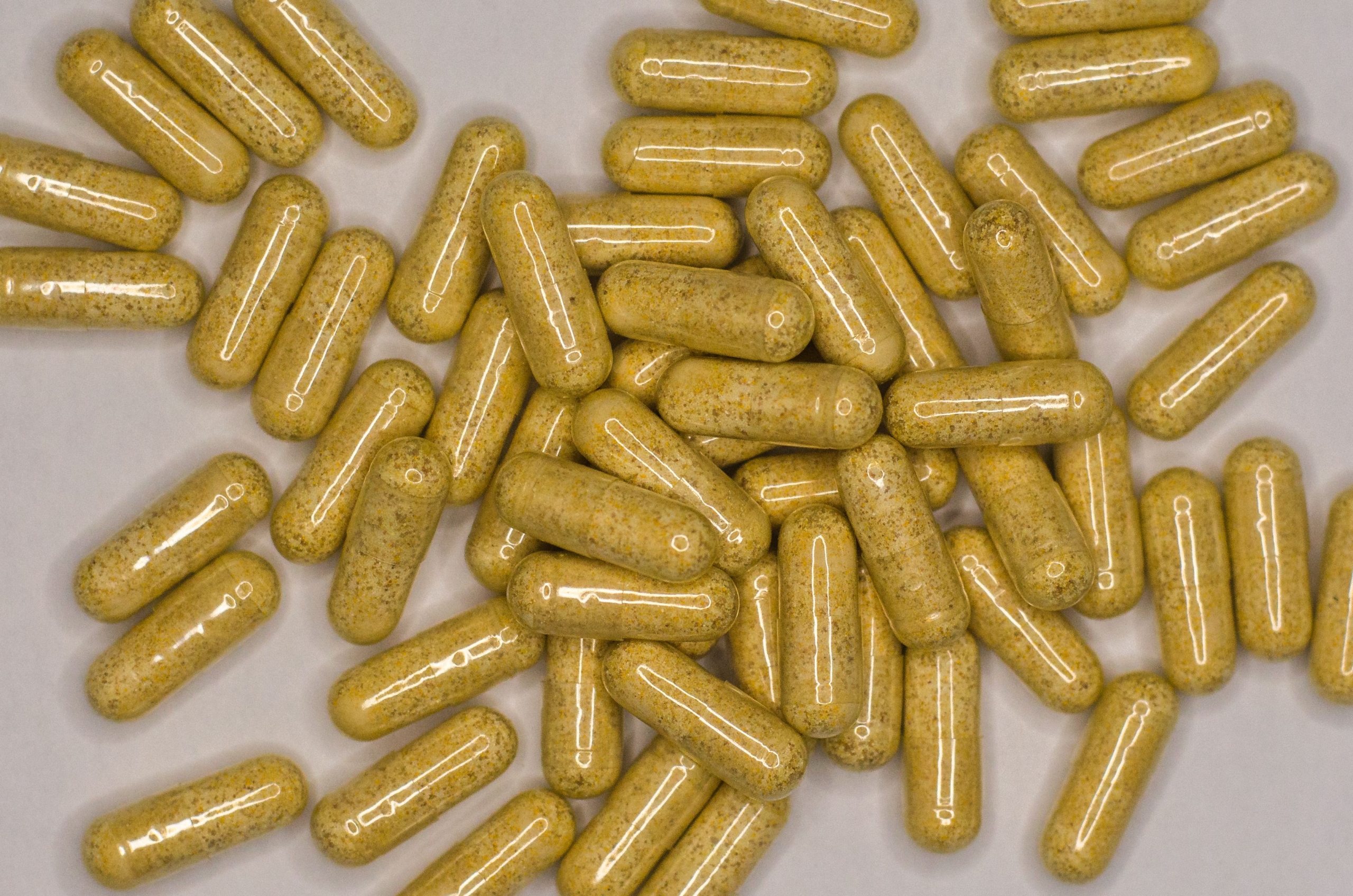
It also isn’t regulated by the FDA, meaning there are no federal standards governing the contents, potency or labeling of kratom products.
“People think, ‘Well, this must be safe if I can buy it at a gas station,’” Dr. Weimer says, noting concerns about increased use among adolescents.
Can Kratom Be Addictive?
Yes. Regular kratom use can lead to physical dependence because of its opioid-like effects.
“I’ve heard many accounts of people who said they were surprised this would happen from a legal substance with no warnings on it,” Dr. Weimer says. “Many, many patients have told me that they started off just using it a little bit and it grew over time to the point that they were using it every hour of the day.”
Research cited by Yale Medicine found that 0.7% of U.S. adults used kratom during the previous year between 2021 and 2023, with use most common among men ages 26 to 49.
A study led by Katherine Hill, MPH, of the Yale School of Public Health found that one-quarter of people who use kratom met criteria for addiction, or opioid use disorder. Most of those participants reported increased opioid tolerance and physical withdrawal symptoms.
For people with a history of another substance use disorder, the study found that the risk of developing opioid use disorder was nearly three times higher. In Jaghab’s case, the medical examiner determined that alcohol and mitragynine toxicity caused his death, with the combination increasing the risk for sudden death.
His death has now been given a medical explanation, while his family is left to remember the person behind the Christian Styles name — an adult performer, content creator, uncle, family member and friend whose life ended at just 29.
Source: PMC and Yale Medicine
I have some difficult mobility issues, and deal with a lot of pain at random intervals. I am also allergic to opiates, so I was very limited to what I could take for the pain.
I was buying the gas station Kratom and taking the recommended dose, and it was fine, it worked in that I didn’t notice the pain anymore.
I tried some of the enhanced stuff, One dose was 5 capsules, I tried 3, and I was knocked down, I felt a real euphoric high, emotionally I was flying, no pain either, and just feeling “GOOD” the way people say ecstasy feels. I figured out what will manage my pain, but not get me all weird. I take less than half what it recommends, and it seems to do the job.
I can understand why Kratom could be addictive, because it mimics the opiates, however, there is NOTHING in it that will tell your heart to stop beating, or block the signals to your lungs to keep breathing.
As many people out there that are taking it recreationally, this is the first “Confirmed” death with Kratom involved. I call BS on those findings, they are trying to make this new herbal treatment the boogeyman, but it still doesn’t work in this story. They need to have looked deeper into the cause of death instead of blaming something that has been abused and never caused any deaths until now.
same. These people are ruining it for all of us.