


Niger and Japan are taking LGBTQ+ rights in sharply different directions this week. While Niger is moving to recriminalize same-sex relationships, Japan is preparing a nationwide education programme aimed at improving understanding of LGBTQ+ people and issues. If global LGBTQ+ rights had a compass, it would be spinning a little too fast.
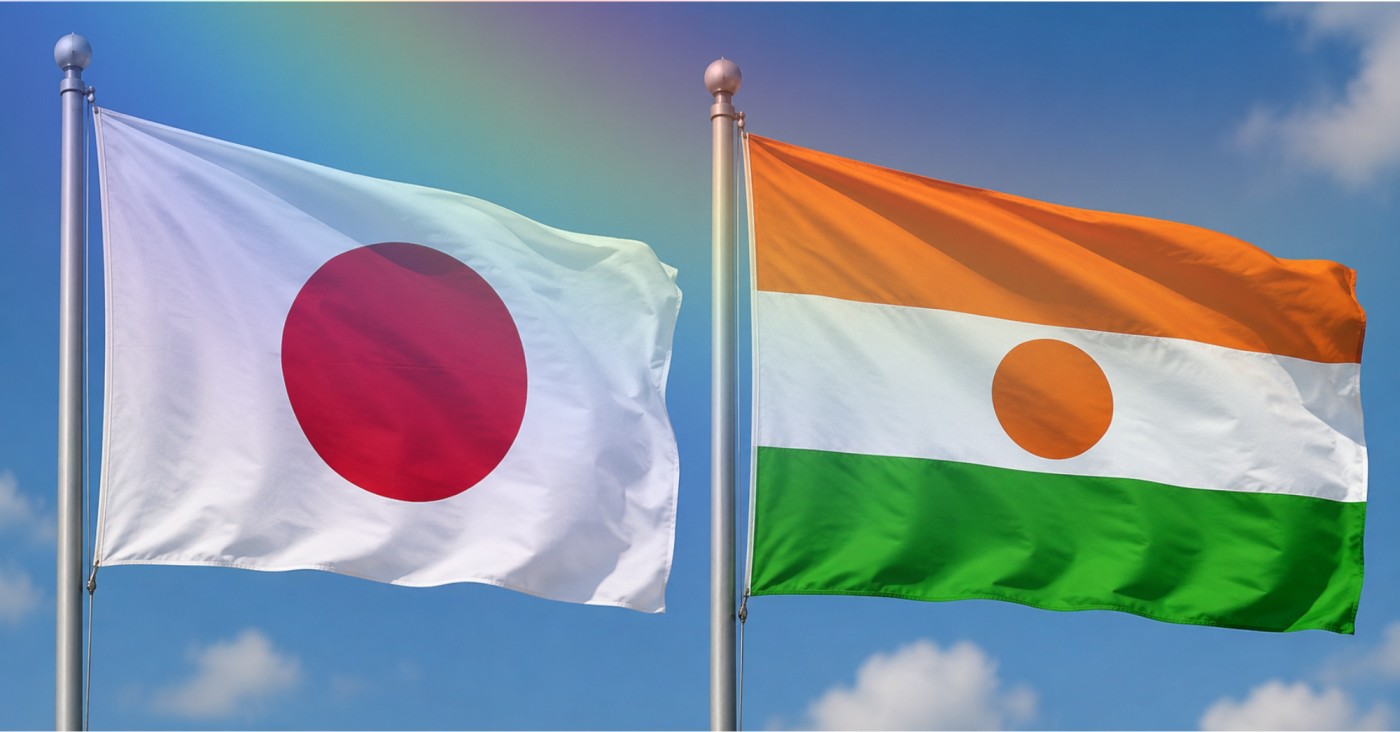
It’s not exactly a balanced seesaw moment.
RELATED: The Pentagon’s “Gay Bomb”: History’s Most Expensive Shower Thought
Niger: a sharp legal turn backward
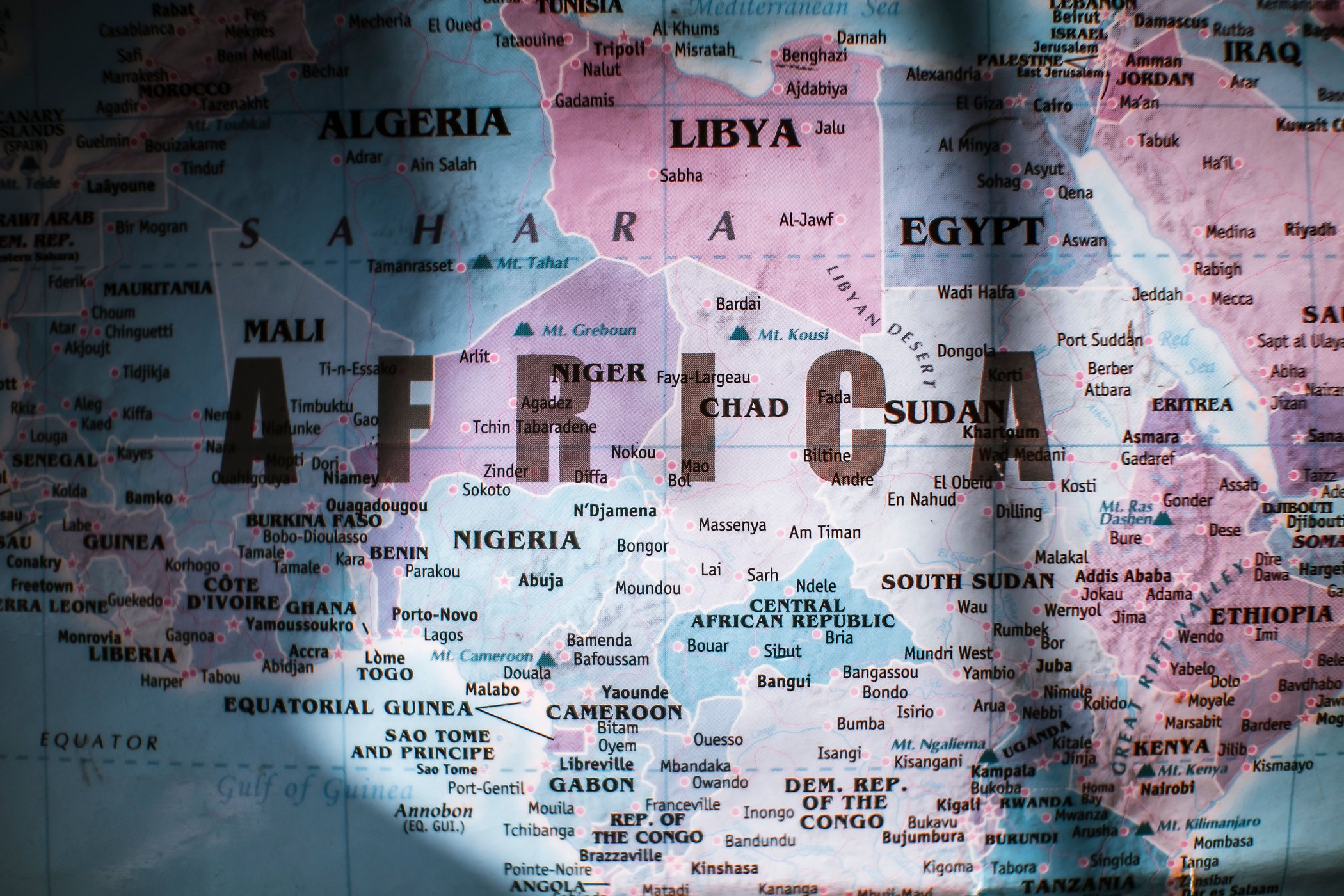
Niger is the latest African country to recriminalize consensual same-sex sexual relations. The Associated Press on June 12 reported the country’s military junta announced a new penal code under which anyone who “commits or attempts to commit an immodest or unnatural act or practices lesbian, gay, bisexual, transgender, queer, intersex, asexual (LGBTQIA+) acts” will face between five and 10 years in prison and a fine.
“This same penalty is applicable to persons who officiated the marriage, to the witnesses of the alleged spouses, as well as to persons who have given their consent for the celebration of the marriage and to the organizers,” reads the new code that took effect on June 11.
The scope of the law goes beyond individuals and reaches anyone connected to a ceremony or event, effectively widening the net far past private life. Niger shares borders with Nigeria, Benin, Burkina Faso, Mali, Algeria, Libya, and Chad.
RELATED: LGBTQ+ Rights Now Depend on Your ZIP Code
The AP notes homosexuality had not previously been criminalized in Niger. Anti-LGBTQ stigma, however, was widespread. The shift now formalizes what was once social pressure into legal punishment.
The wider regional picture is also tightening. Lawmakers in Burkina Faso last September recriminalized homosexuality. In Senegal, President Bassirou Diomaye Faye signed a bill increasing penalties for consensual same-sex relations from one to five years in prison to five to 10 years. And in Ghana, lawmakers approved a bill that would criminalize LGBTQ allyship.
Japan: education as policy, not punishment
While parts of the world are tightening laws, Japan is preparing something very different: a nationwide programme aimed at improving understanding of LGBTQ+ people and issues. The shift in Japan is being framed less as a political statement and more as a long-term cultural education effort.
The plans, expected to be formally approved this month, would see schools, universities and other institutions given new guidance and resources on sexual and gender diversity. The measures stem from legislation passed in 2023 requiring authorities to promote public awareness of LGBTQ+ issues.
Under the proposals, schools would be encouraged to provide more support for LGBTQ+ students and expand access to counsellors and social workers. Universities training future teachers and healthcare workers would also be asked to strengthen education around sexuality and gender identity.
Educational materials, including videos and leaflets, are expected to be produced as part of the programme. The government also plans to carry out regular surveys to gauge attitudes towards LGBTQ+ people and measure the impact of the initiative. The framework has been years in the making and recently received backing from the ruling Liberal Democratic Party. Prime minister Sanae Takaichi’s cabinet is expected to give it final approval.
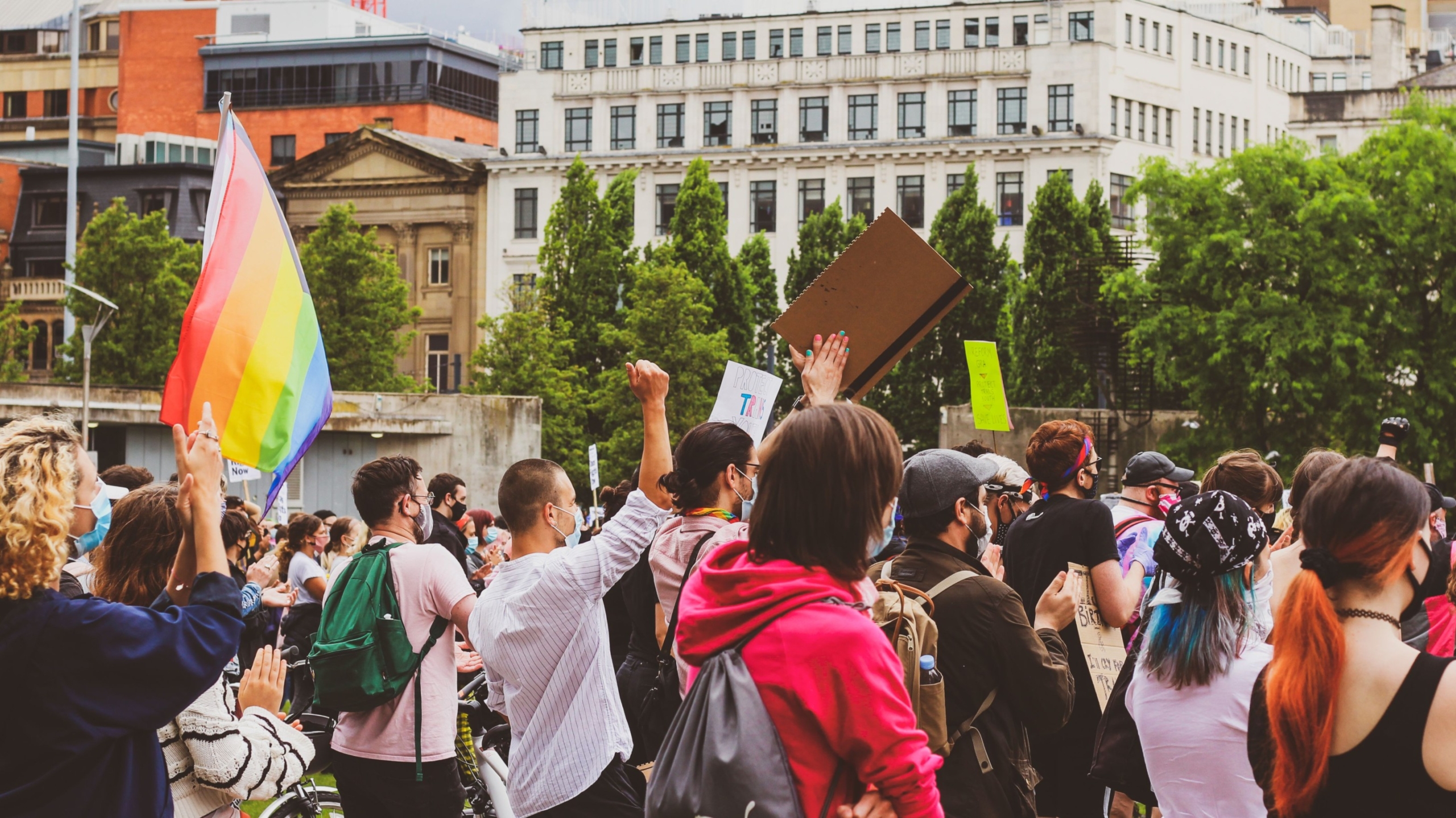
Japan remains the only G7 country without nationwide marriage equality. While hundreds of local authorities issue partnership certificates to same-sex couples, they do not provide the same legal rights as marriage. A series of court rulings in recent years has increased pressure on lawmakers to reform the law. In practice, Japan is now balancing two timelines at once: slow legal pressure in the courts and gradual policy shifts in classrooms.
“It will help a lot, especially young adults and queer adolescents”
“I think it will help a lot, especially young adults and queer adolescents who are just discovering their identities or genders,” said Alisha Khojanazar, a molecular neuroscience research technician at the Okinawa Institute of Science and Technology.
“If it would lead to some kind of broader protection by law, that would be great. But with the current political climate in Japan, I would love it to be more inclusive.”
Khojanazar said her university holds Pride events and has gender-neutral facilities, but added that many LGBTQIA+ people in Japan still face difficulties discussing their sexuality or gender identity openly. The government plans to review the programme every three years.
Two realities, one timeline
Put side by side, the contrast is hard to ignore: one country expanding punishment, others expanding penalties in the same direction, and another trying—carefully, bureaucratically—to expand understanding.
None of it changes overnight. But the direction of each step matters, especially for people whose daily lives are shaped by whether the law sees them as citizens or as offences waiting to happen.