


Meet the Straight Acting Brotherhood, where men can be into men but apparently want nothing to do with being gay. Make it make sense, gentlemen.
The word “straight” is apparently getting a whole new interpretation, because a group of men are insisting they can be attracted to other men without identifying as gay. Meet the Straight Acting Brotherhood, a club for men who like men but say they never quite fit into the LGBTQ+ crowd. And yes, they really want you to know they are definitely not gay.
Their social media bio keeps things brief: “Into men.” Well, at least we’re getting somewhere.
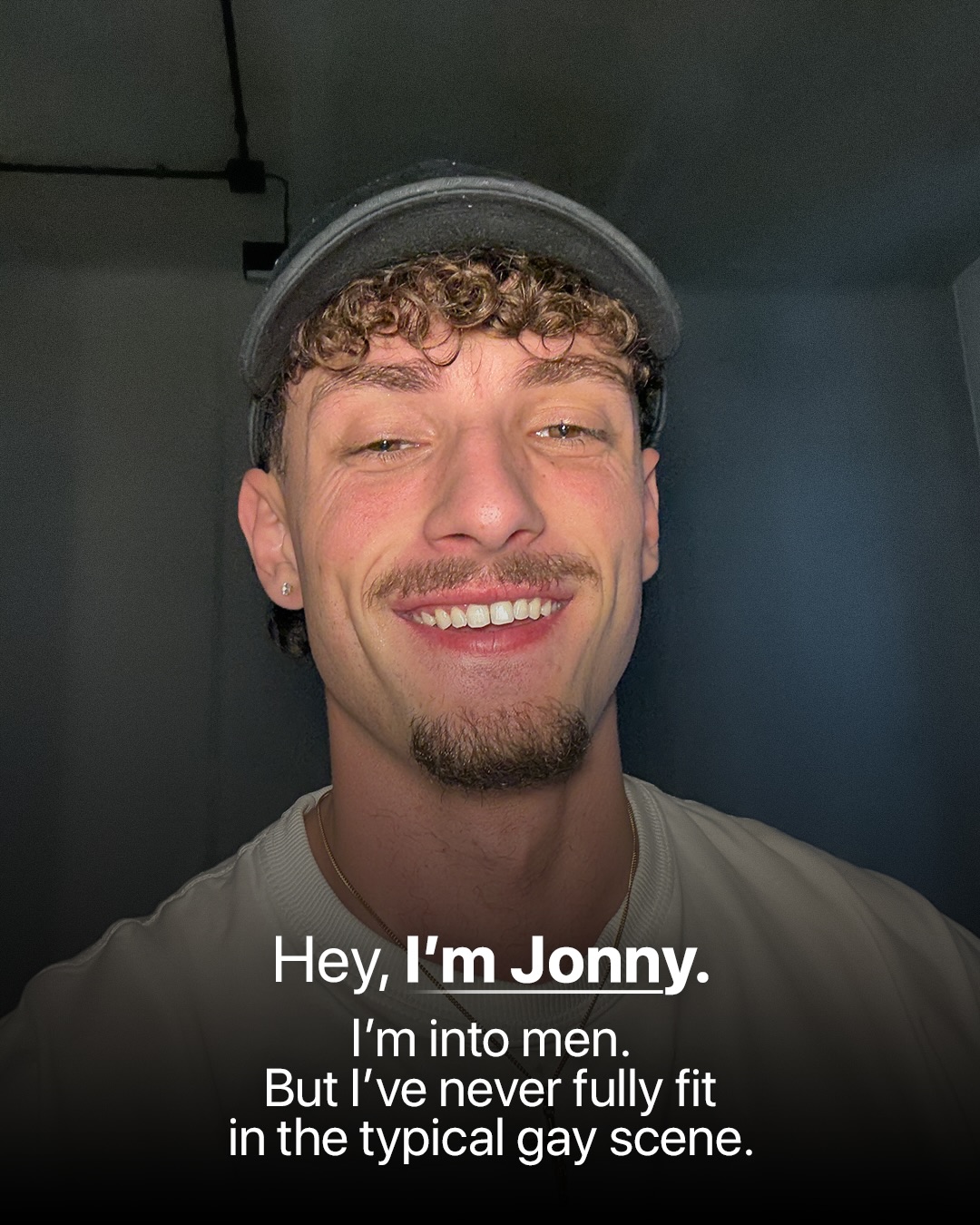
In one video, a creator named Jonny explains that he doesn’t identify as gay because he associates the label with things like glitter and Rainbow parades. While acknowledging that other people enjoy those things, he says he personally cannot relate and doesn’t believe liking men means he has to dress or behave a certain way.
“I’m just a normal guy,” he explains, adding that he simply happens to do things with boys.
Sir, nobody said you had to own a rainbow sequin jacket to qualify.
READ: The CLOSETocracy Questions Power, Public Accountability, and LGBTQ+ Rights
When Being Masculine Becomes a Whole Identity
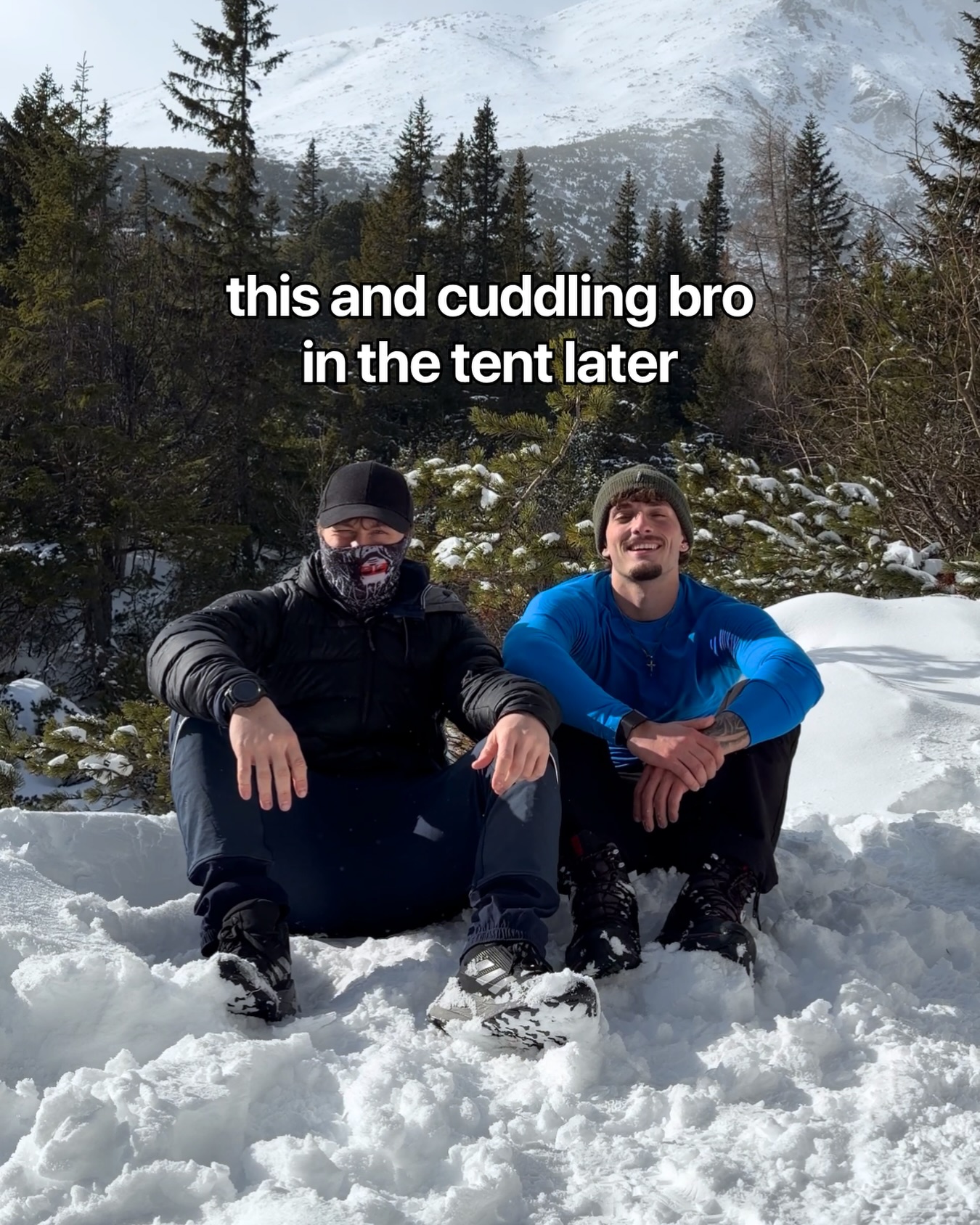
The Brotherhood’s founder has also criticized what he calls the “bullshit happening in the gay world.” He says he created the club for “ambitious gay men” who want more out of life than hookups, Rainbow parades, and nightlife. He describes himself as “straight-acting masculine.”
And here’s where things get interesting.
There’s absolutely nothing wrong with being masculine, disliking clubbing, avoiding hookups, or having zero interest in Pride festivities. Gay men are not a monolith, and nobody should have to perform a particular version of gayness to belong. Some love glitter; others would rather spend Saturday fixing a car, building a business, or watching football. All perfectly valid.
But why does the Brotherhood seem so determined to distance itself from gay identity by defining it through a handful of stereotypes?
READ: Hegseth’s Spiritual Aide Higgins Has Extensive Digital Trail Attacking LGBTQ+
Straight, Gay, or Just Allergic to Rainbows?
Merriam-Webster defines “gay,” in the relevant sense, as relating to or characterized by same-sex romantic or sexual attraction, often referring specifically to men. That definition doesn’t require a particular wardrobe, personality, political opinion, or social calendar.
Of course, nobody else gets to dictate someone’s identity. A man can experience attraction to men and choose not to call himself gay. Sexual behavior, attraction, and personal identity aren’t always identical, and labels remain a personal choice.
The issue isn’t that these men reject a label. It’s the suggestion that being gay means embracing a particular lifestyle, and that being masculine or ambitious somehow requires separating yourself from it.
You can dislike nightlife without disliking gay people. You can be masculine without making gayness your opposite. And you can want meaningful relationships without acting as though the rest of the community is shallow.
The Straight Acting Brotherhood may be looking for a place where men like them feel understood. Fair enough. But if the price of belonging is putting down the very community their attraction connects them to, perhaps the problem isn’t the word “gay.” Perhaps it’s the baggage they’ve attached to it.
Real men don’t wear jewelry. In fact, he wears much more than most of my gay friends. So he is not just gay; he is a queen. /s
Those are just words, and words can hurt. But mostly only if you are afraid of them. Learn peace, brothers.
Your dad wasn’t a real man because he wore a wedding ring? WTF.
Our current obsession with identity is a byproduct of the digital world and the lowest common denominator social discourse brought on by social media generally. It’s why I like the word “queer,” which could be defined as simply: different, outlier or not the norm. Which, by implication, means straight people can also be queer if they have some additional characteristic that pulls them off the “norm.” It also means you could be queer for a variety of reasons, maybe you’ve been to Antarctica, or you eat Scotch Bonnet peppers every day, or you compete in ultra-marathons – none of those activities are sexual in nature but they’re also activities unshared by the majority of people.
Being “gay” or “2SLGBTQIA+” is also a political act. It’s identifying with a specific constituency for the purpose of social change, cohesion or political purpose as well as being an identity.
I think what this guy means to say is that his identity isn’t predicated on these political or social disruption purposes, that he intends to adopt (and probably identifies with) a stereotypical masculine behaviour pattern, maybe never even realizing that, in itself, is a sort of a ghetto of behaviour. Because, guess what? I identify as gay because of the political struggle, but I don’t, for instance, identify as trans (even though I just wore fishnets and heels last night) or bi (even though I’ve slept with some women) because they don’t quite fit the way in which I’m comfortable with myself most often or that I tend, on average, to interact with others. In fact, my core identity has remained mostly being comfortable in a masculine lane but I often have veered off into what we used to call “gender fuck” or “gender queer” (and I’m not sure those categories are in current active use anymore) because some days I don’t really care if I follow the “rules” or not. In fact, none of the “rules” about being gay or straight (or anything else in employment or travel preferences or food tastes, etc.) quite capture my penchant for going out on a limb and being the first on the dance floor or the early adopter or sexual explorer where I tend to find my comfort zone. Nonetheless, people need (or at least think they need) an anchor point to a person’s overall personality. Mine happens in the “masculine” lane, but I’m much more and much less that just that when you get to know me. It’s just hard to connect with someone who’s more of a shapeshifter or explorer than anything else. I’m reminded of the aliens in Star Trek: DS9, who can be a metal hoop or a bird or a pile of goo one minute to the next. How do you socially interact with that? Well, you can’t very easily, so people tend to pick a lane and stick to it both to show constancy and to show social cohesion and preference. But then like sports teams they tend to identify with that jersey and oppose the other “teams,” even if the jersey doesn’t quite fit or the other “team” is like one town removed and essentially the same. Our species would never make good shapeshifters. We’d be too uncomfortable with the dichotomies. So I tend towards “masc” because men tend to have a defined role as explorers and people have a set of “APIs” they can plug into. But there are plenty of women explorers and adventurers too and trans people probably explore the most deeply of all of us in a way. Feeling the need and the drive to go and do something about the circumstances they find themselves born into. So, in conclusion, none of the models we have for ourselves are the reality, they’re only the model, and that never covers everything.
I don’t know any “straight” men that perm their hair that MUCH ! LOL!