


Troye Sivan has entered the Khia Asylum conversation, and he has spotted what might be the institution’s biggest loophole: straight male artists don’t seem to get locked up nearly as often.
RELATED: Tom Holland’s Crowded Room Era Was Much Wilder Than Spider-Man
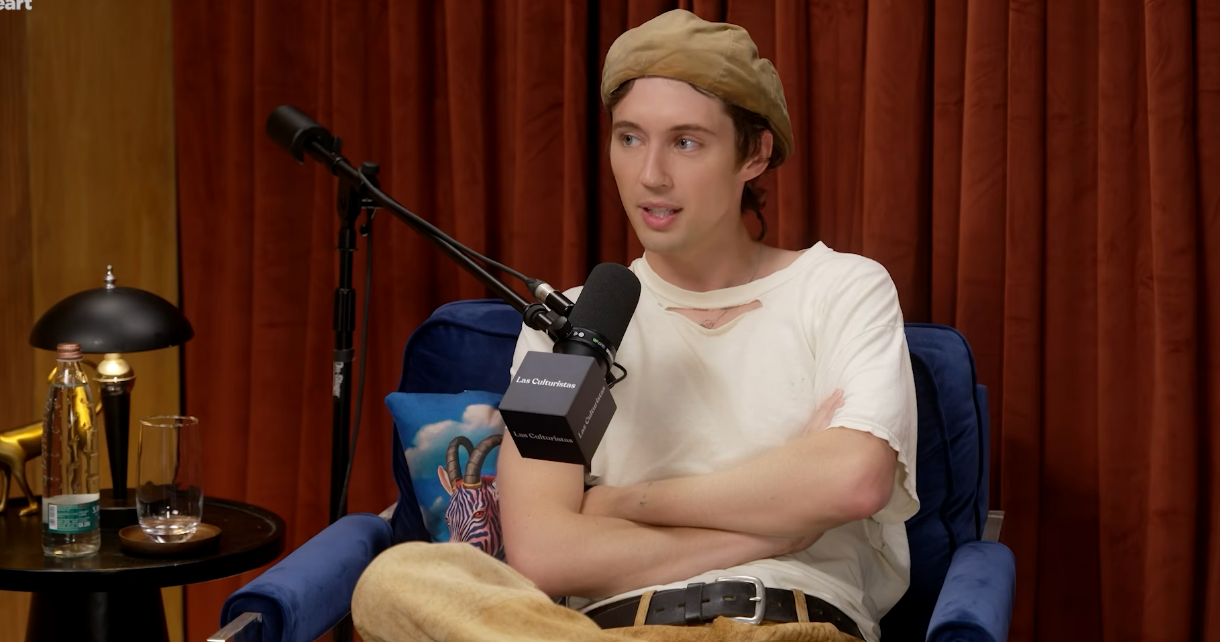
Appearing on Las Culturistas with Matt Rogers and Bowen Yang, Sivan spoke about the different standards applied to artists in the music industry, particularly women and queer performers. And when the conversation turned to the internet’s infamous “Khia Asylum,” he had a theory about why some artists seem to get a much easier ride.
“I think the whole Khia Asylum thing doesn’t get said about boys that much. I think it’s a spectrum of how much people nitpick at you and pop girls have it really bad,” said Sivan.
For those who have somehow avoided this particular corner of pop discourse, the “Khia Asylum” is a metaphorical holding cell for artists who have “flopped,” disappeared from the spotlight and eventually attempted a comeback. Think less psychiatric institution, more internet courtroom where the sentence is handed down by people with excellent Wi-Fi and absolutely no qualifications.
RELATED: Rupert Grint Is Back as Ron Weasley—Hogwarts Has Entered Its Messy Era
The straight-boy exemption has entered the chat
The term has been applied to artists including Bebe Rexha, Ava Max, Rita Ora and Zara Larsson, with Larsson subsequently escaping after her 2025 chart-topping single Midnight Sun.
But Sivan believes straight male artists aren’t subjected to quite the same level of scrutiny.
“The straight boys might talk shit about you online, but either they don’t care or they don’t get it as bad,” Sivan continued. “I do think that straight boys can get away with releasing stuff that, if a queer artist or a female artist released, they would get ripped to shreds.”
And therein lies the problem with the Khia Asylum: apparently, not everyone is being searched at the same intensity on the way in.
For women in pop, one underwhelming moment can become a full career referendum. Suddenly the single isn’t just a single. It’s evidence. The album isn’t merely an album. It’s a trial exhibit. The outfit at the performance three weeks ago? Somehow also relevant.
Sivan’s point is that straight male artists can sometimes make choices that would trigger considerably more scrutiny if the artist behind them were a woman or queer.
Which, frankly, sounds less like an asylum and more like a VIP club with a very selective door policy.
Pop girls are expected to reinvent themselves — constantly
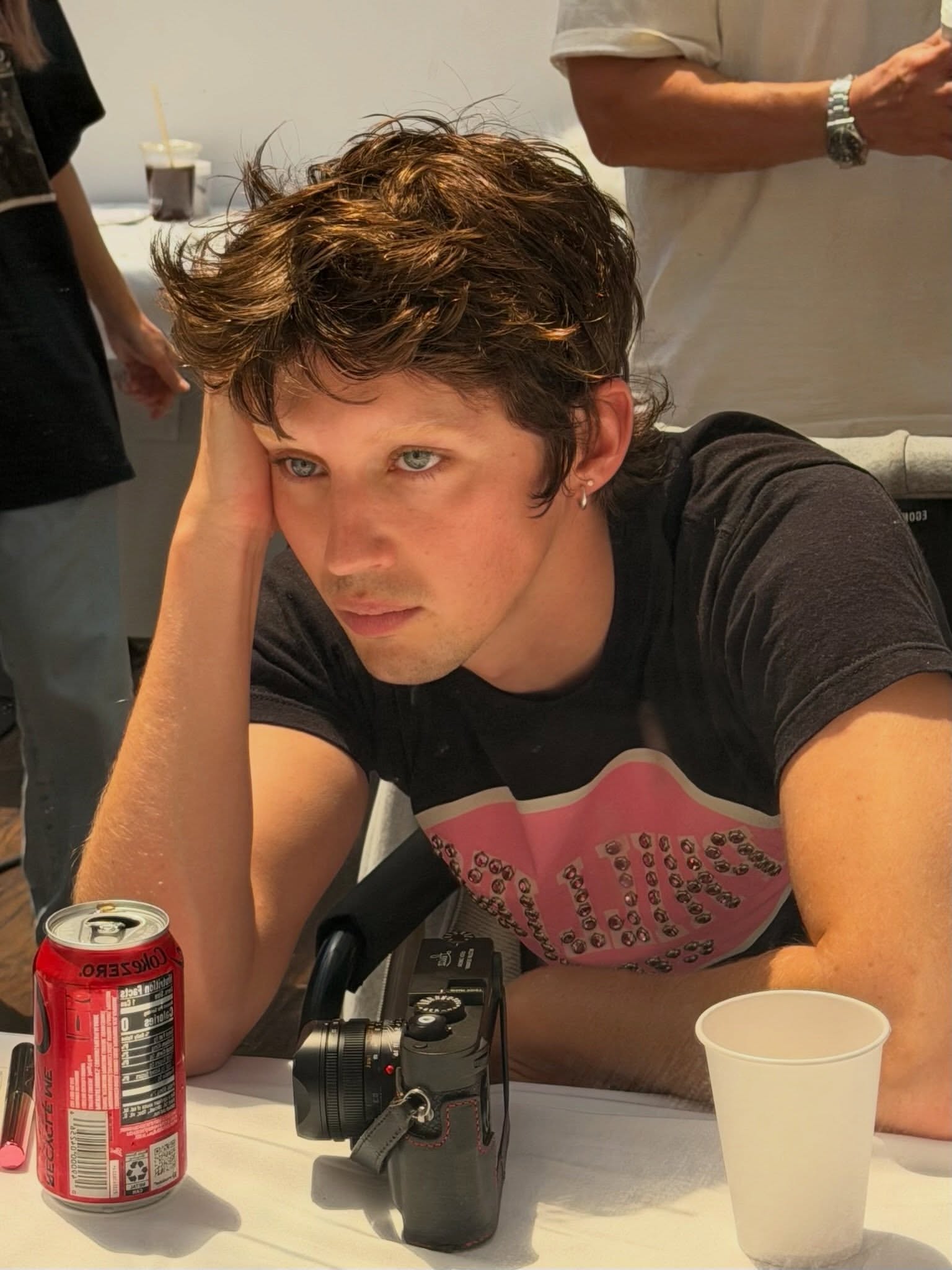
Sivan also spoke about what he described as the “insane” expectation for women in the industry to continually reinvent themselves in order to succeed.
And pop reinvention is rarely allowed to mean simply making good music.
There needs to be a new look. A new sound. A new era. A new personality. Preferably a dramatic announcement, a cryptic Instagram post and enough visual symbolism for fans to spend six months explaining it to each other.
As a gay man, Sivan said he finds himself “between the two”.
That makes his perspective particularly interesting. He isn’t claiming that every artist experiences the industry in exactly the same way. Instead, he’s pointing to the uncomfortable gap between how queer and female artists can be scrutinized and how much room straight male artists may have to simply exist, experiment or occasionally miss.
Basically, some artists get a flop. Others get a flop with a committee meeting about it.
Troye Sivan is entering a new era of his own
Sivan’s comments come as he prepares to release his fourth studio album, She’s the Best, on 9 October 2026.
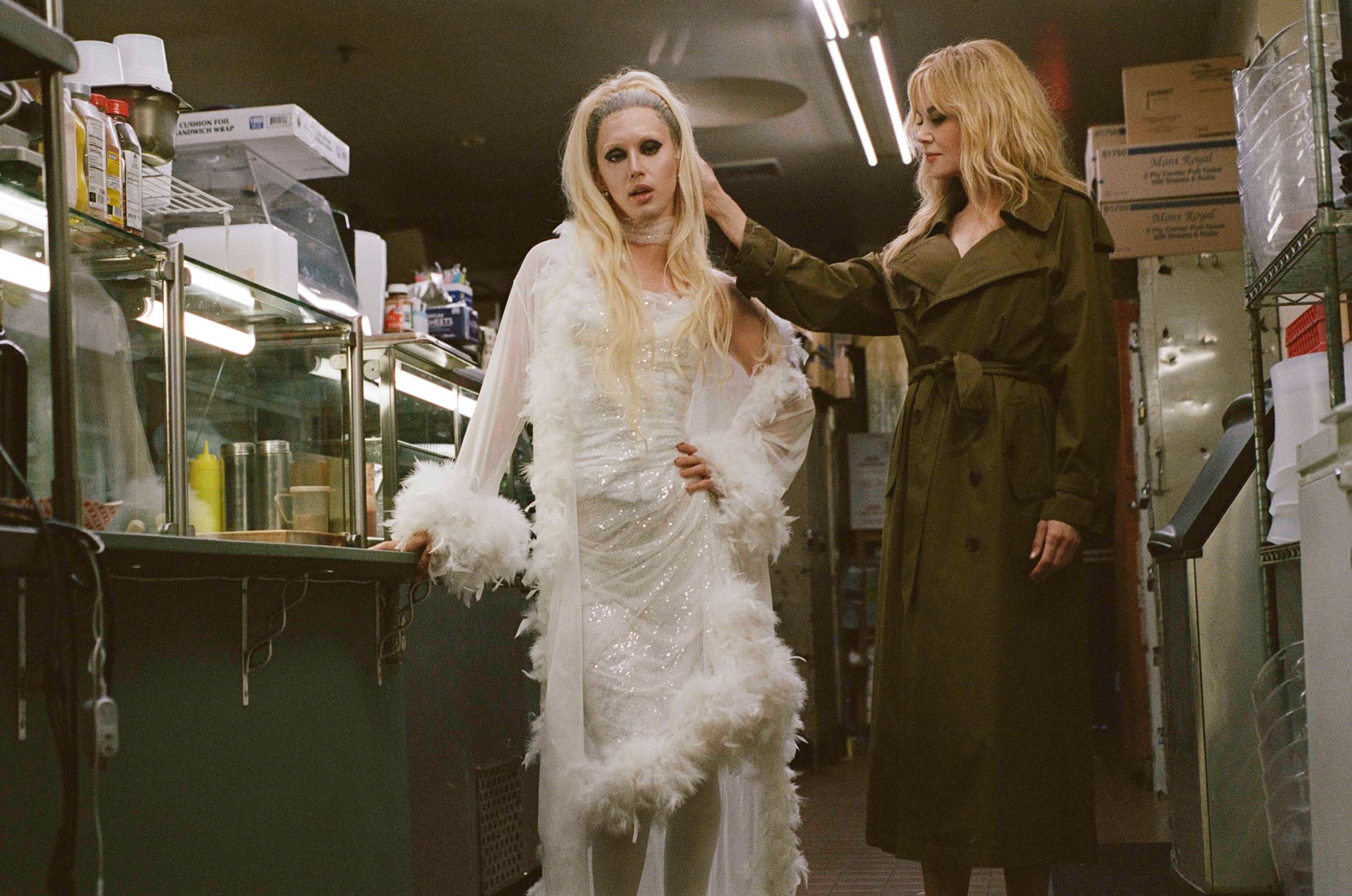
Earlier this month, he released the title track alongside a star-studded music video celebrating women, featuring Nicole Kidman, drag icon Sasha Colby, several trans women and drag queens.
So while Sivan is talking about the pressure placed on women to constantly reinvent themselves, his own new era is putting women and womanhood firmly at its center.
Perhaps that’s why his Khia Asylum observation lands so neatly. The internet loves a comeback, but it also loves deciding who has earned the right to have one.
And if Sivan is right, the sentence isn’t the same for everyone. For pop girls and queer artists, the parole board may be watching.
For straight male artists? Well, apparently they’re still waiting for someone to notice they left the building.