


If you’ve ever wondered why use a VPN when you’re already paying for internet, you’re not alone. The average person isn’t exactly waking up every morning thinking, “Today feels like a great day to encrypt my internet traffic.”
But in 2026, we’re online for practically everything. We work, shop, stream, socialize, bank, scroll, overshare and occasionally spend an unreasonable amount of time investigating someone we saw once at a party. With so much of life happening online, privacy and security have become everyday concerns rather than niche tech obsessions.
That’s where a VPN, or virtual private network, comes in.
What Does a VPN Actually Do?
So, what does a VPN actually do? In simple terms, a VPN creates an encrypted connection between your device and a VPN server. Your internet traffic is routed through that server, which can help protect your connection from being easily observed by others on the same network.
A VPN can also hide your usual IP address from the websites and online services you visit by presenting the VPN server’s IP address instead.
Think of it as adding another privacy layer to your internet connection. It doesn’t make you invisible, and it certainly doesn’t turn your laptop into a James Bond gadget. But it can make your online connection more private in certain situations.
And in an age when seemingly every app wants to know what you watched, searched, clicked or almost bought, a little extra privacy isn’t exactly offensive.
Why Use a VPN on Public Wi-Fi?
One of the most practical answers to why use a VPN is public Wi-Fi. Coffee shops, airports, hotels, libraries and other public spaces make getting online incredibly convenient. The catch is that you’re connecting through networks you don’t control.
A VPN can encrypt your internet traffic while you’re using public Wi-Fi, adding another layer of protection against people attempting to snoop on your connection.
That can be particularly useful when you’re logging into accounts or handling sensitive information while traveling. Because free Wi-Fi is wonderful. Free Wi-Fi with an unwanted audience is considerably less charming.
Why Use a VPN When Traveling?
Travel can mean connecting to unfamiliar networks and accessing the internet from different locations. A VPN can give you an encrypted connection while moving between networks, which can be useful when you’re relying on public Wi-Fi abroad.

Another reason people consider why use a VPN is location-based access. Connecting through a VPN server in another country can make websites see the VPN server’s IP address rather than your usual one.
However, that doesn’t mean every website or streaming service will suddenly hand you an international buffet of content. Services can detect and restrict VPN connections, and accessing content from another region may violate their terms.
So, yes, a VPN can be useful while traveling. No, it isn’t a magic passport to the entire internet.
Why Use a VPN for More Privacy?
Your IP address can provide information about your general network location and may be used by websites and online services as part of identifying or tracking a connection.
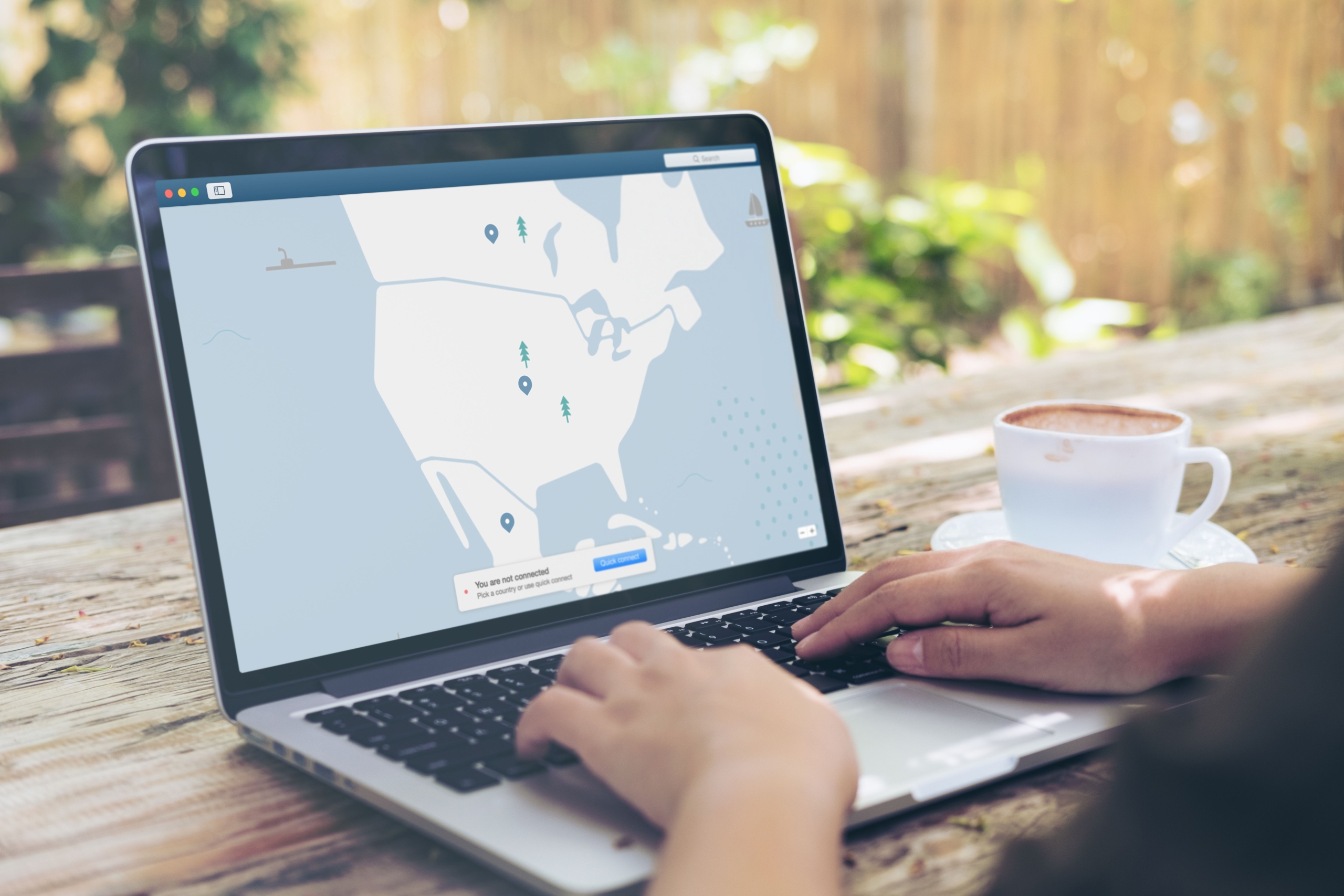
A VPN can mask your usual IP address by replacing it with the address of the VPN server you’re connected to.
That doesn’t mean you’re anonymous. Websites can still identify you through accounts, cookies, browser characteristics and other tracking technologies. Still, if you’re asking why use a VPN from a privacy perspective, limiting exposure of your usual IP address is one practical reason.
Do I Need a VPN for Everyday Use?
So, do I need a VPN for everyday use? The answer depends on how you use the internet. If you regularly connect to public Wi-Fi, travel frequently, want to limit exposure of your IP address or simply prefer having another layer of privacy, a VPN can be a useful addition to your digital-security setup.
If you mostly browse at home on a trusted network and already follow strong security practices, you may have less reason to use one constantly.
And this is where the do I need a VPN for everyday use question gets a little less dramatic. A VPN isn’t something everyone absolutely must have. It’s a tool, and its usefulness depends on your habits, priorities and circumstances.
Much like carrying an umbrella, really. You don’t need it every day. But when the situation calls for one, you’ll be glad you brought it.
A VPN Isn’t a Magic Privacy Cloak
Before you decide why use a VPN means “install one and forget about online security forever,” there’s an important reality check. A VPN doesn’t protect you from every online threat. It won’t stop phishing scams, malware, weak passwords or you accidentally sending your private information to the wrong person.

It also doesn’t erase information you voluntarily give to websites. If you sign into an account and provide your name, email address or other personal details, a VPN can’t make that information disappear.
There’s also an important trust factor. Using a VPN means you’re placing some trust in the VPN provider itself, which is why its privacy practices and reputation matter. In other words, a VPN can be one piece of a broader privacy strategy. It isn’t the whole puzzle.
Why Use a VPN in 2026?
Ultimately, the answer to why use a VPN comes down to control. A VPN can help encrypt your connection, provide additional privacy on unfamiliar networks and mask your usual IP address. For travelers and people who frequently use public Wi-Fi, those benefits can be particularly useful. But privacy doesn’t mean you’ve got something to hide.
People lock their doors without being criminals. They close their curtains without preparing for an international espionage mission. They put passwords on their phones because “please don’t read my messages” is a perfectly reasonable boundary. Online privacy isn’t much different.
In 2026, your digital life is a pretty significant part of your actual life. Wanting a little more control over who can observe your internet connection isn’t paranoid. It’s simply another way of deciding where you want your boundaries to be.
And honestly, not everyone needs a front-row seat to your browsing history.