


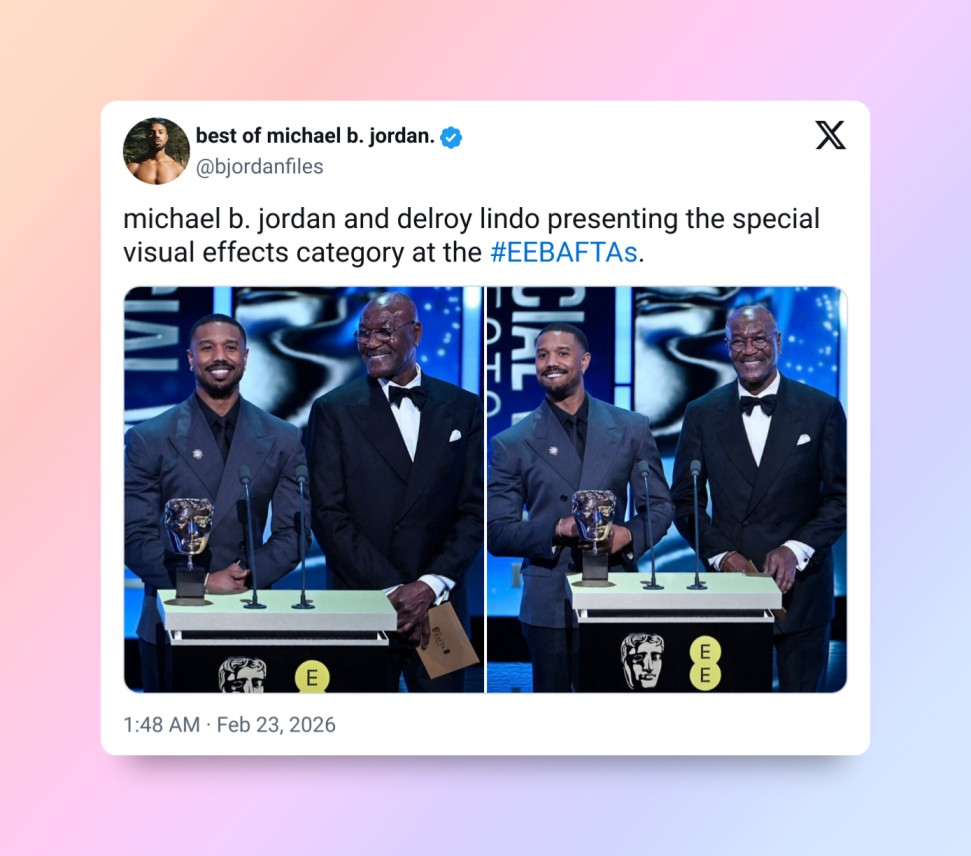
The 2026 BAFTA Film Awards just gave us a moment no one was expecting: a literal racial slur yelled in the middle of Michael B. Jordan and Delroy Lindo’s presentation. No, it wasn’t scripted or part of some edgy performance art piece. It was, in fact, an outburst by John Davidson, a Tourette Syndrome campaigner, whose involuntary verbal tics included the N-word. Cue uncomfortable silence. And then, a whole lot of fallout.
RELATED: Tim Gunn Has Been Celibate for 43 Years — And He’s Completely at Peace
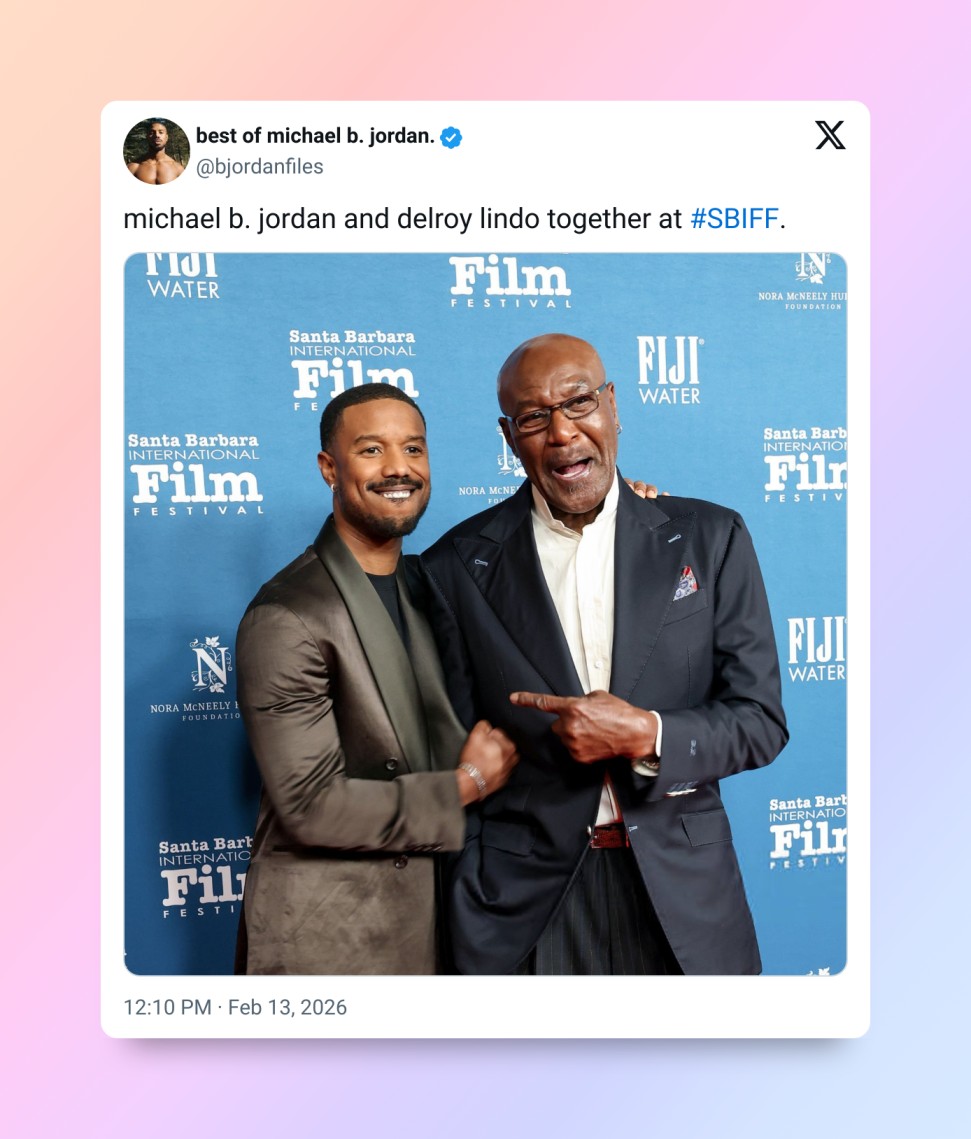
A BAFTA Moment of Unease: A Slur on Live TV?
When Davidson let loose the slur during the presentation of Avatar: Fire and Ash for Best Visual Effects, it wasn’t edited out. And the audience inside London’s Royal Festival Hall and viewers at home were left stunned. The BBC issued a statement hours later, apologizing for airing the offensive language and explaining that it was an involuntary tic from Davidson, a prominent advocate for those living with Tourette’s Syndrome. But here’s the kicker: the racial slur was left in the final broadcast despite the ceremony being delayed by two hours. The backlash was swift, but so was the BBC’s “throwaway” apology.
RELATED: Shia LaBeouf Arrested After Alleged Homophobic Outburst at Mardi Gras
A Reminder That Tics Don’t Have a Filter
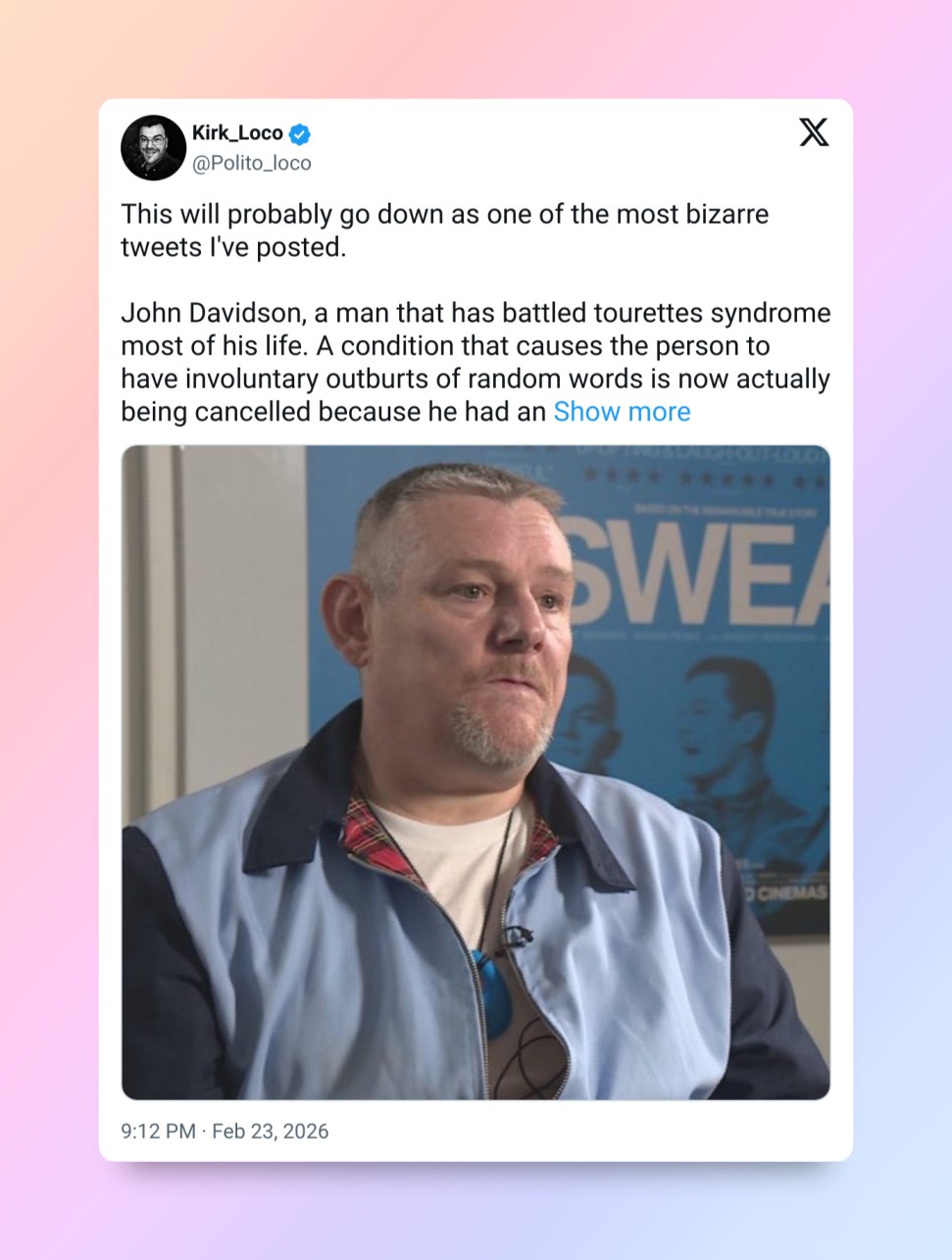
In case you missed it, Davidson is the inspiration behind the critically acclaimed film I Swear, which portrays the struggles of living with Tourette’s. A condition where sudden, involuntary movements or sounds—like, say, curse words or racial slurs—can hijack a person’s speech without warning. The BAFTA floor manager had already informed the crowd that Davidson would likely shout things out during the ceremony. But did that prepare anyone for the magnitude of what went down?
@thenewsmovement John Davidson, whose life inspired I Swear, shouted out racial slurs as Michael B. Jordan and Delroy Lindo presented an award at the 2026 BAFTAs. It was later clarified to the audience that the comments were involuntary tics linked to his Tourette syndrome.
Alan Cumming, the host, did his best to soften the situation with multiple reminders throughout the night: “Tourette’s syndrome is a disability, and the tics you’ve heard tonight are involuntary, which means the person who has Tourette’s Syndrome has no control over their language.” But, let’s face it, a quick “Sorry if this offends you” can’t undo the discomfort of hearing the N-word on live television.
The Aftermath: Did BAFTA Drop the Ball?
As the night unfolded, it became clear that people were grappling with a serious issue: how to address the intersection of race, disability, and public sensitivity. Lindo and Jordan, who were presenting the award, didn’t shy away from the moment, but they did wish someone from BAFTA had stepped in to address the situation in real time. The backlash wasn’t just about the slur. It was about the broader conversation on how the disabled community is treated—or mishandled—at such high-profile events.
The scene sparked an industry-wide debate about ableism in the entertainment world. Should Davidson have been invited to the ceremony knowing that his tics might result in inappropriate outbursts? Could BAFTA have done more to safeguard the dignity of both the Black attendees and Davidson? It’s hard to say, but one thing is clear: everyone came out of that night feeling a little worse for wear.
The “If You Were Offended” Apology: Not Good Enough
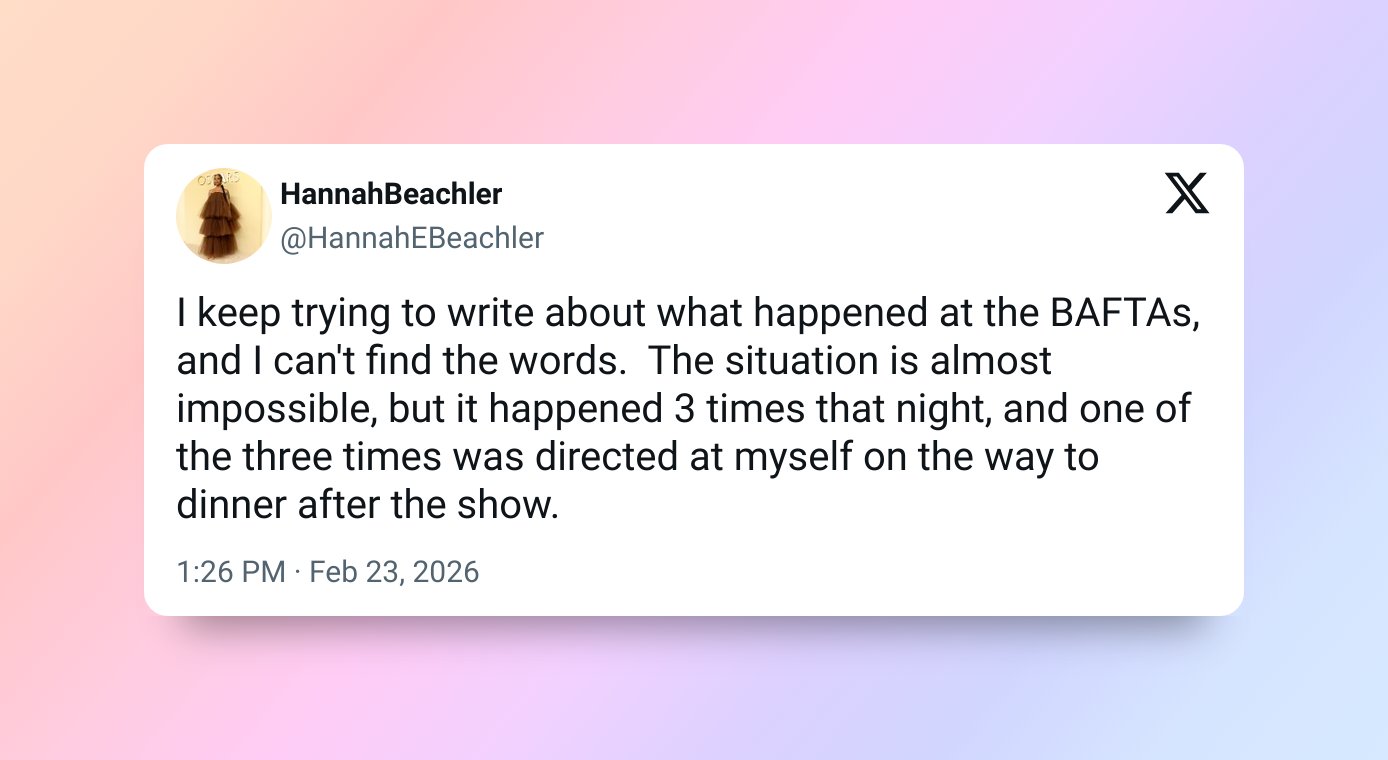
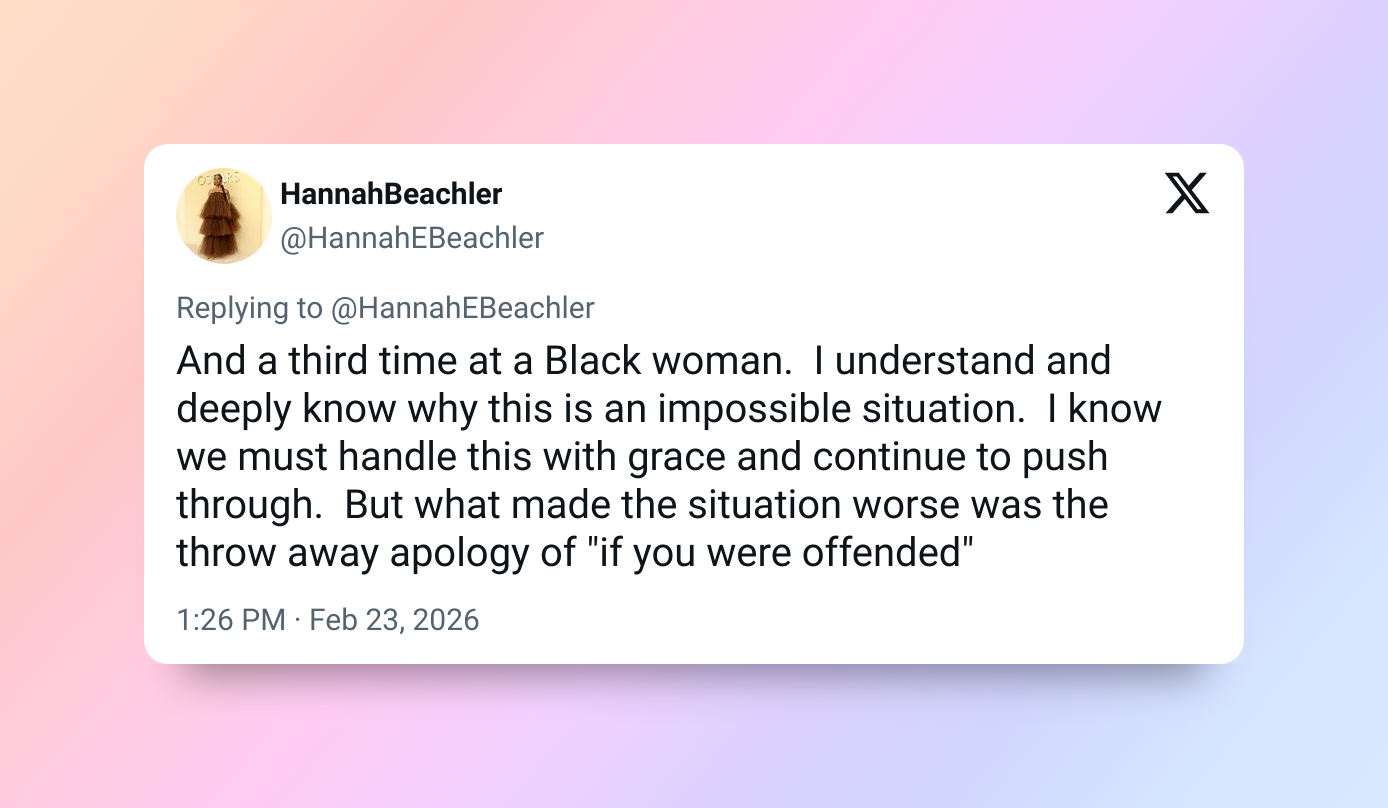
The apology issued by the BBC was met with anger and confusion. Hannah Beachler, the production designer for Sinners, shared her thoughts on social media, calling the situation “impossible” to articulate, but noting how the lackluster apology only made things worse. “What made the situation worse was the throw-away apology of ‘if you were offended,’” she wrote, pointing out the insensitivity to both the Black community and those living with Tourette’s.
A Missed Opportunity for Education and Understanding
Some of the evening’s most poignant moments came from unexpected avenues. I Swear actor Ismael Cruz Córdova, who won the EE BAFTA Rising Star Award, used his platform to speak out about Davidson’s advocacy. “John Davidson is the most remarkable man I ever met,” he said. “He’s so forthcoming with education, and he believes there’s so much more we need to learn about Tourette’s.” He added, “For people living with Tourette’s, it’s us around them who help them define what their experience is. They need support and understanding.”

Social Media Blows Up: Misunderstandings and Misconceptions
Predictably, social media became the battleground for opinions on the incident. Some users expressed shock, labeling Tourette’s “debilitating,” while others, like Jamie Foxx, missed the mark completely, labeling Davidson’s outburst as “unacceptable” and implying he “meant that shit.” It’s a shame that, in 2026, misunderstandings about Tourette’s still exist, but it’s a reminder that we all have work to do when it comes to tolerance and education.
At the end of the day, the BAFTA debacle served up more than just an awkward moment; it highlighted the complex layers of race, disability, and media responsibility that still need more attention. And while the apologies continue to roll in, the question remains: did anyone really learn anything from it?
Source: The Hollywood Reporter