


When Benito Skinner blew out birthday candles as a teenager, his wish wasn’t for money, fame, or even better Wi-Fi. He wished he wasn’t gay. Which, for a lot of people, is less of a dramatic movie monologue and more of an unfortunately relatable chapter.
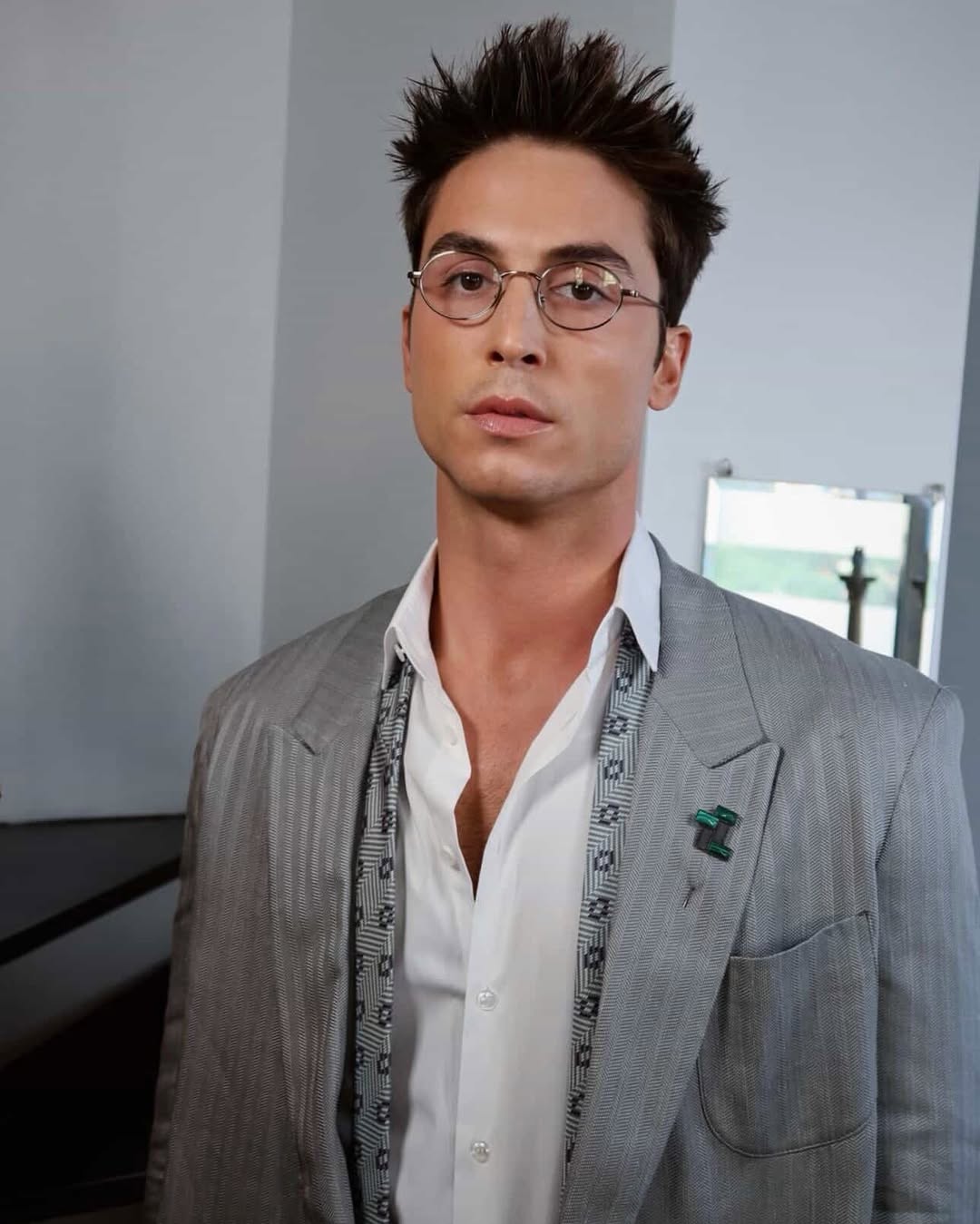
Long before becoming internet favorite Benny Drama, Skinner was growing up in Boise, Idaho — playing football, trying to survive high school, and carrying around dreams that didn’t exactly fit neatly inside locker room culture.
He later headed to Georgetown University to study acting and English, which feels like the academic equivalent of saying, “I’m funny, emotional, and will absolutely overanalyze a text message.” Then came New York City in 2016, where Skinner finally came out, stepped fully into comedy, and discovered what happens when years of bottled-up personality finally get Wi-Fi access.
RELATED: Off Campus’ Khobe Clarke Strips Down to Tight White Undies
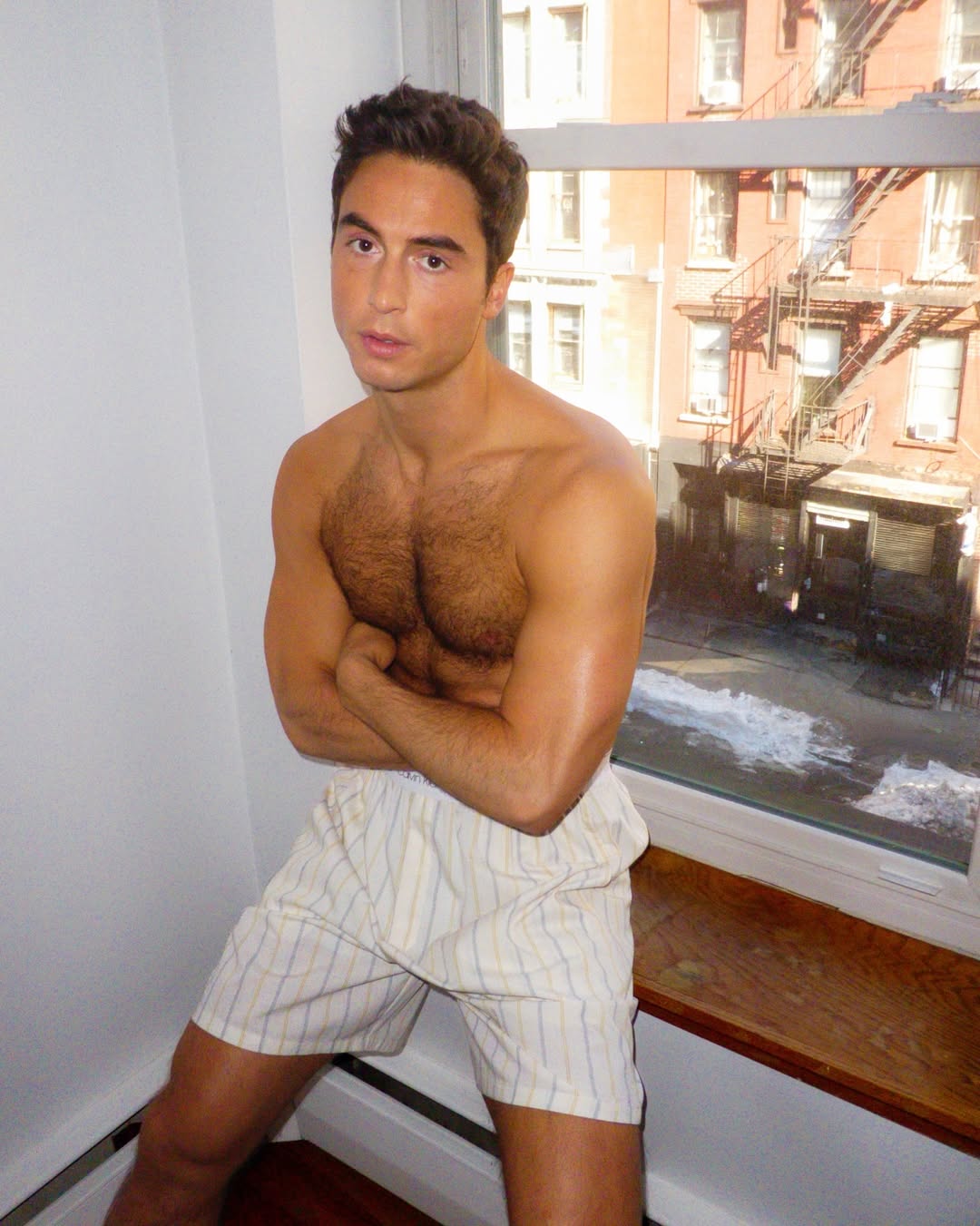
“I just had a flood of creativity because I felt like I could finally be myself,” he tells PEOPLE. “All of these things were dying to get out.” Turns out self-acceptance is pretty productive.
Overcompensating: The College Chaos Era Goes Prime Time
Before mainstream audiences discovered him, Skinner had already built an audience online through celebrity impersonations, chaotic comedy bits, and Benny Drama videos that made people wonder whether impersonation should count as cardio. But Overcompensating changed the scale entirely.
RELATED: Overcompensating Season 2 Begins Filming. What We Know So Far.
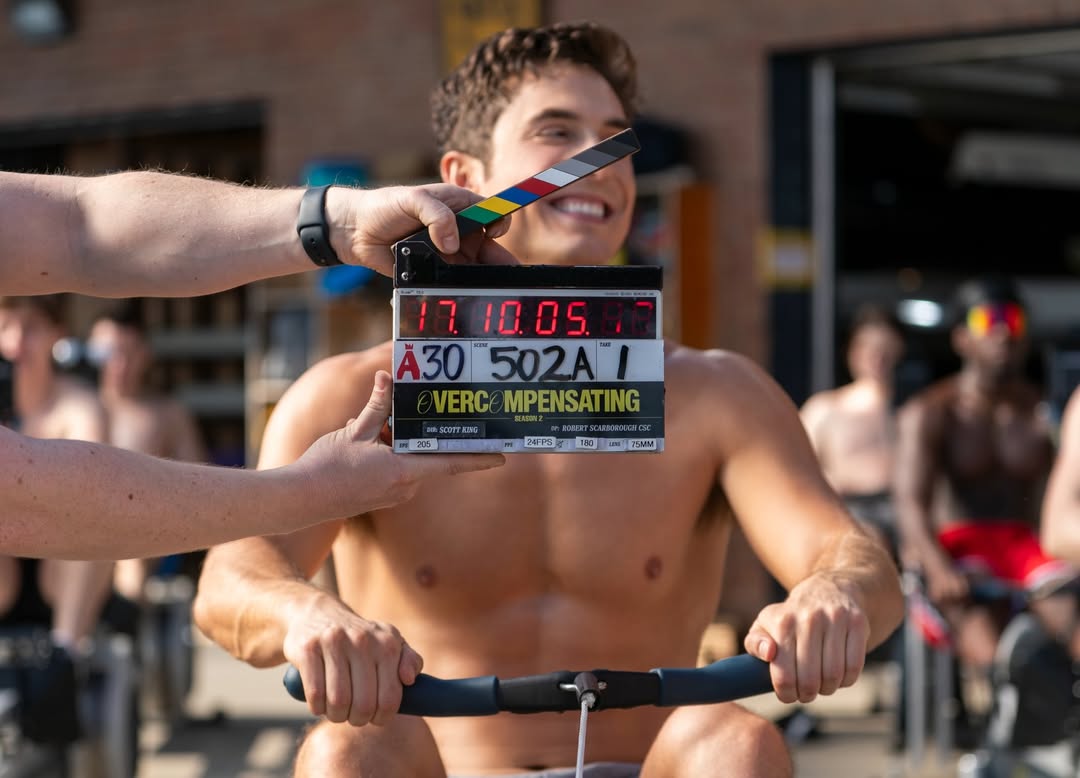
The Prime Video comedy — now filming season two — pulls from Skinner’s own college experiences, unpacking early gay adulthood through equal parts cringe, heartbreak, hormones, and questionable decision-making. Oddly, he wasn’t spiraling before release day.
“I think if people hated this show, I’d just kind of be like, ‘Oh, I don’t,’ ” he says with a laugh. “One of my best friends — I showed it to her — and after she was like, ‘It just feels so you.’ And I thought that that was the best thing I could hear.”
Benito Skinner in #Overcompensating
🥵🥵🥵🥵🥵🥵 pic.twitter.com/BinPMlabo3
— MLM Superheroes ⚣ (@malelovebr.bsky.social) (@MaleLoveBR) May 17, 2025
That confidence aged well. Within a week, strangers were quoting lines from the show back to him while he was out to dinner — which is probably the entertainment industry equivalent of hearing your order called correctly on the first try.
“I still feel really lucky,” says Skinner. “It feels like such a privilege to get to tell the story.”
Comedy, Emotional Damage, and a Charli XCX Cameo
One reason Overcompensating works is because it understands an important truth: coming-of-age stories are rarely one genre. Sometimes life is slapstick. Sometimes it’s emotional devastation in fluorescent dorm lighting.
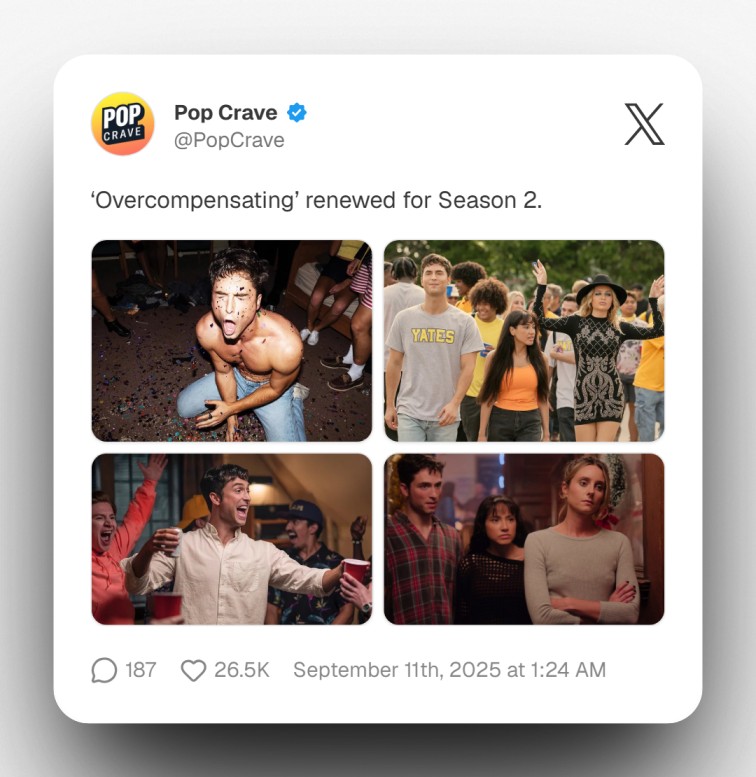
The series balances rapid-fire jokes with moments that hit uncomfortably close to home, helped along by performances from Mary Beth Barone, Wally Baram, Holmes, and a memorable Charli XCX appearance that feels exactly as chaotic as it should. Skinner says specificity is what makes it connect.
“The queer experience is that,” he says. “I don’t know any gay person that hasn’t been completely gutted at some point in their coming of age.”
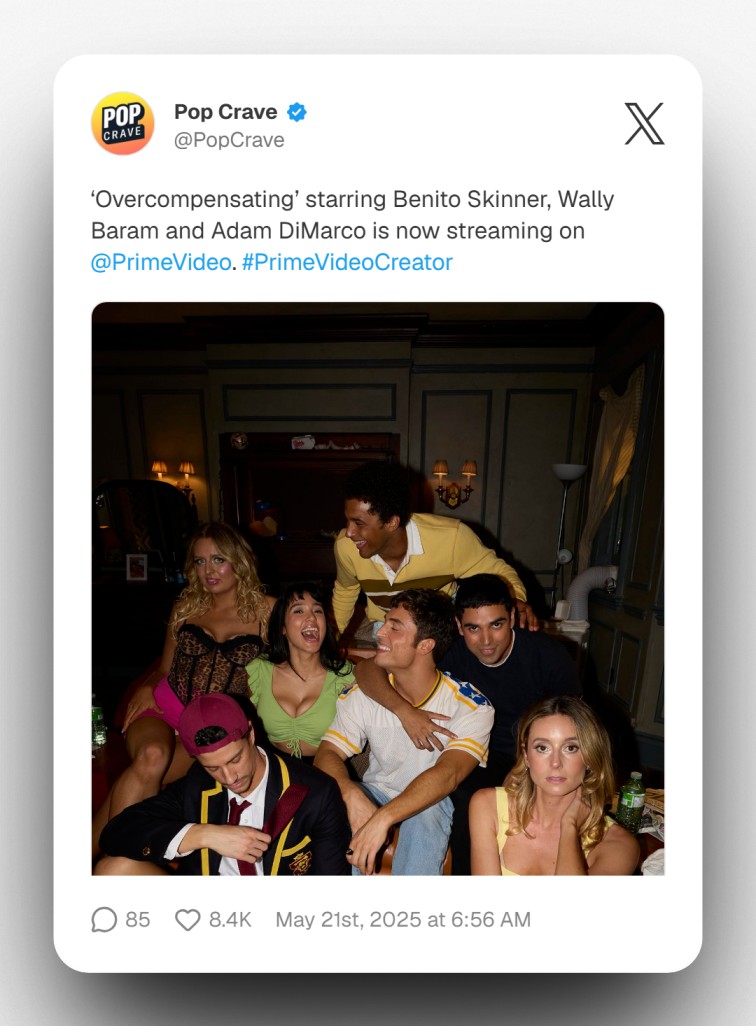
That honesty extended into the writing room too.
“I’m like, ‘Let’s see how honest we can get here without us all feeling uncomfortable’ — without me being, like, ‘I can’t do that because what if my aunt watches?’ ”
A fear powerful enough to reshape art across generations.
The Twist Ending: Benito Skinner Being Gay Won
Looking back now, Skinner has gone from closeted high school football player to creator of a hit studio comedy — not because he reinvented himself, but because he stopped performing a version that never fit.
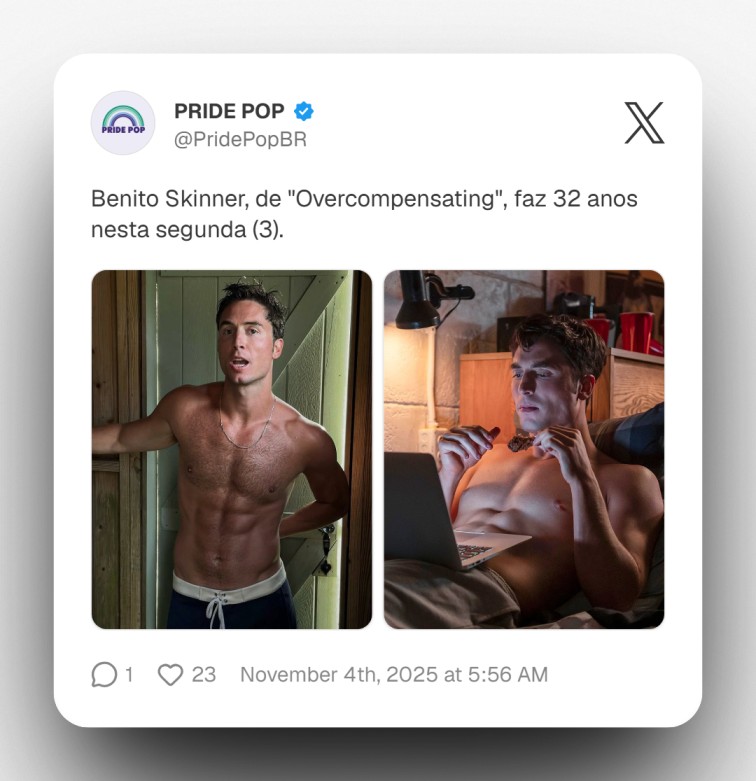
“I feel so lucky to be gay every day of my life,” he tells PEOPLE. “To think about how much it would’ve meant to me to just see more gay people everywhere and to actually watch someone on TV and be like, ‘That guy is gay and he’s doing this’ — that is really exciting.”
Then comes the sentence teenage Benito probably never imagined saying out loud:
“My favorite thing about me is that I’m gay,” he says. “I feel so proud to be gay, and I feel like I had to make a whole show about it.”
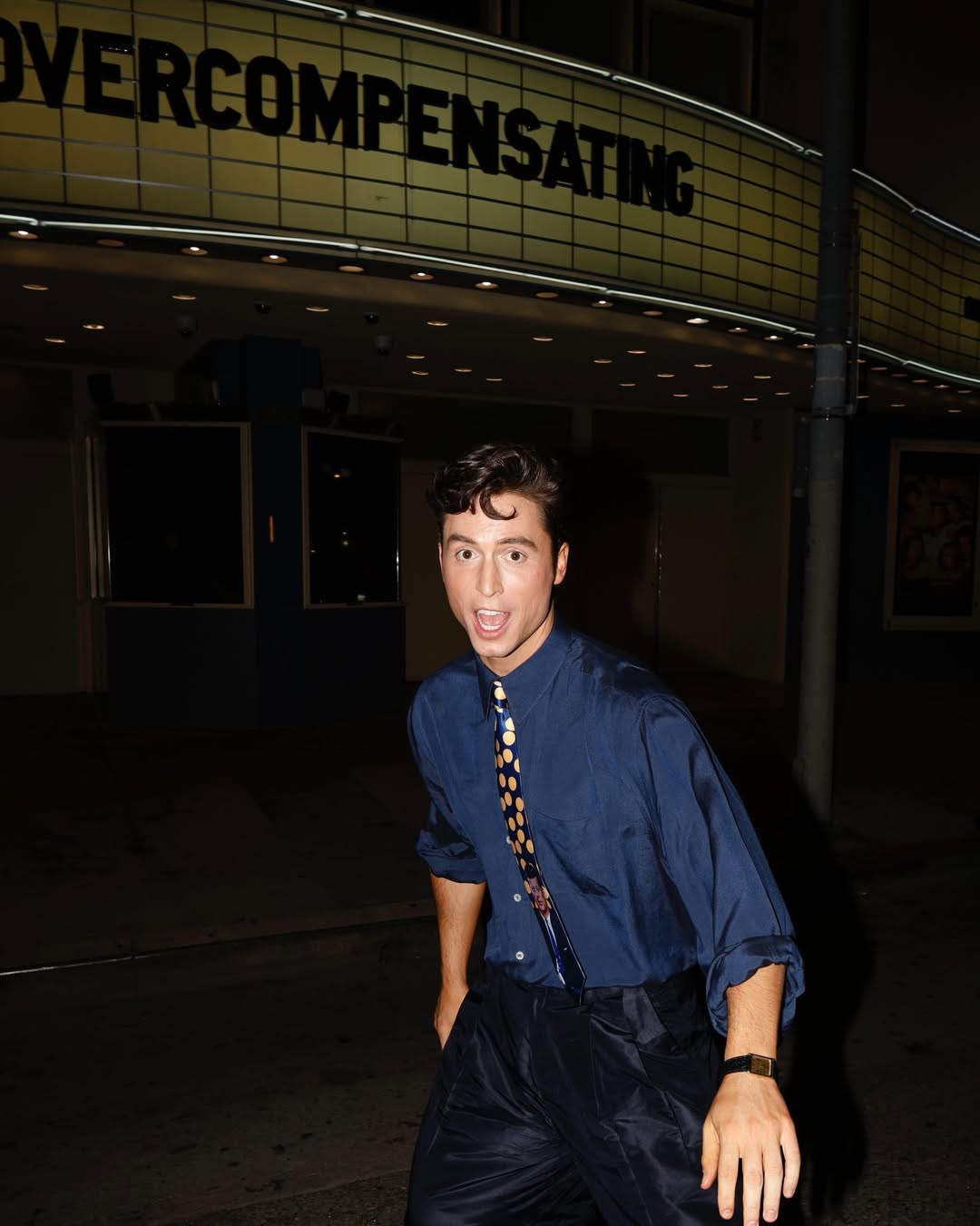
Funny how the thing that once showed up in birthday wishes as a problem can eventually become the reason people connect with your work, your jokes, and your story. Also: making your trauma funny and getting a second season out of it? That’s range.