


Abraham Enriquez is running for Congress in Texas. Unfortunately for him, so is the internet—and it’s currently running a faster, louder, and far less forgiving campaign.
RELATED: Gay Dads Speak Out After Clash W/ MAGA Influencer Sparks Legal Battle
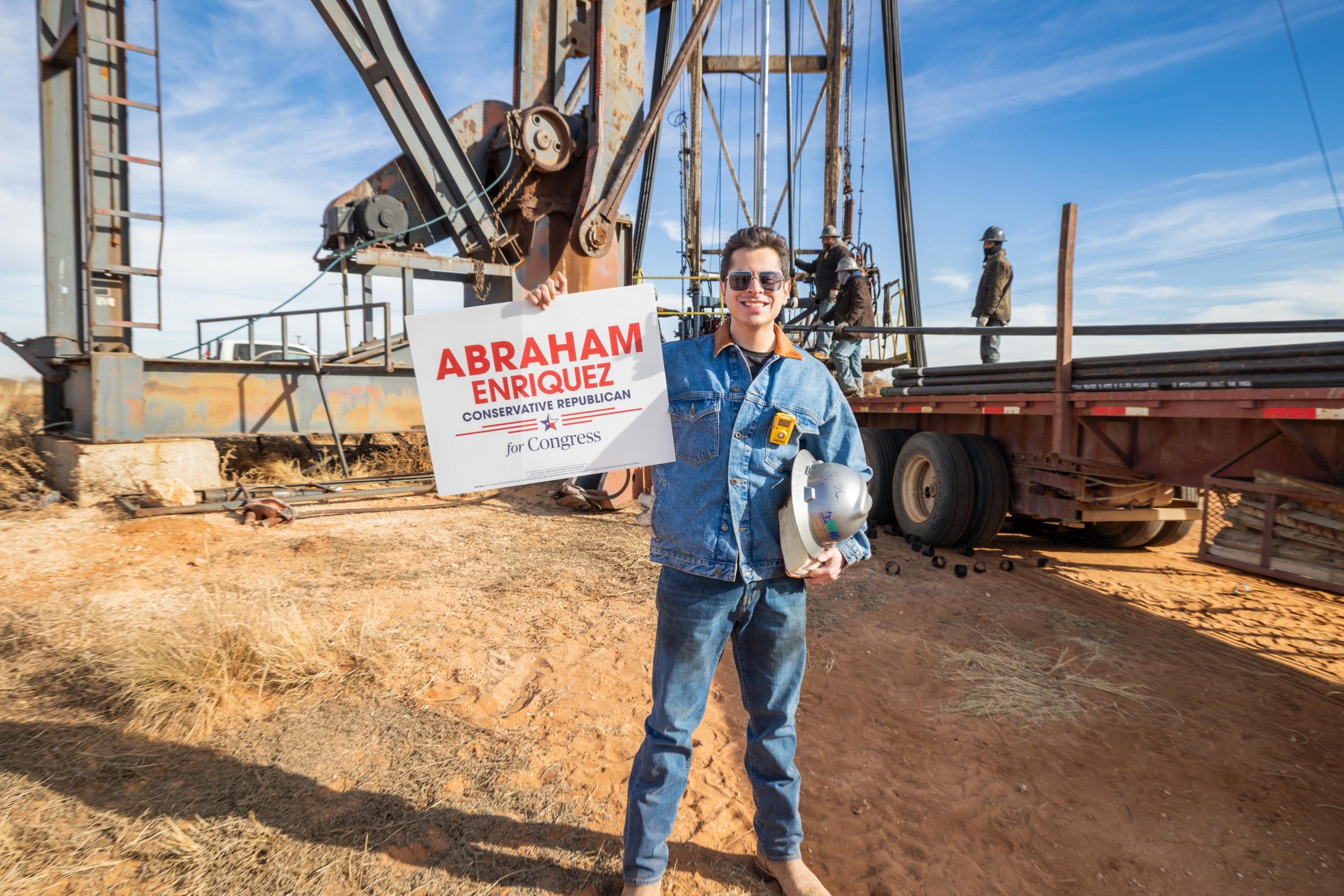
The Republican candidate, backed by Governor Greg Abbott, is facing controversy after leaked messages allegedly tied to his personal phone number surfaced online. The texts, first reported by political outlet Current Revolt, include claims that Enriquez used Grindr to arrange same-sex hook-ups and engaged in flirtatious conversations that directly clash with his public stance condemning homosexuality as “unbiblical.” And yes, the detail that makes this story spiral is exactly what you think it is: Grindr is involved.
The “values” platform, firmly stated
Enriquez has previously leaned into a strict conservative Christian message. During remarks about his time at a Christian university, he described blocking efforts to create LGBTQ-inclusive student housing policies, saying he opposed them because “traditional marriage is God-ordained.”
RELATED: UK Politics Just Went Full 2026: Councillors, Porn, and Public Scrutin
That line worked well in a certain political ecosystem. Clean messaging. Clear boundaries. Strong applause. The internet has since responded with its own version of “noted.”
The Grindr connection and the leaked exchanges
According to Current Revolt, the story begins on Grindr, where a man claims he met Enriquez years ago, when Enriquez was still a student at Abilene Christian University. What started as an app-based connection allegedly developed into a romantic and physical relationship that continued for roughly a year.
The man later provided screenshots of messages he claims were exchanged with Enriquez, describing them as sexually charged and flirtatious conversations tied to arranging meetups and private encounters.
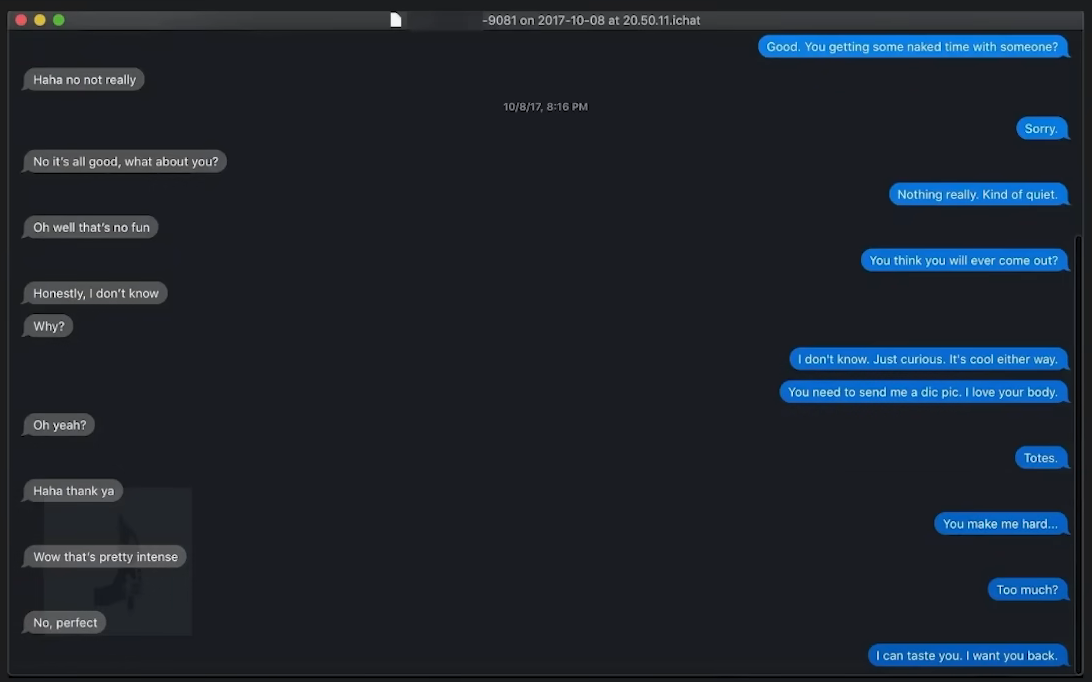
One alleged message includes Enriquez asking whether the man wanted to “play a bit,” alongside other exchanges described in the report involving explicit photos and intimate talk.
The man who came forward says he decided to speak publicly because Enriquez was living “a life of hypocrisy,” adding there was “nothing wrong” with being gay—but arguing the contradiction lies in publicly condemning LGBTQ people while allegedly engaging in the same behavior privately.
Verification claims and instant internet jury duty
Current Revolt reported that it verified the phone number linked to the messages matched Enriquez’s personal contact details and voter registration information. That claim remains part of the controversy and has not been independently confirmed across all outlets. But in the modern attention economy, “pending verification” is basically just a warm-up round.
Social media picked it up immediately, and the discourse quickly split into two camps:
- people focused on sexuality
- people focused on messaging consistency
- and a third group just enjoying the chaos with popcorn energy
Enriquez responds: denies, reframes, redirects
Enriquez has denied the allegations and called them a “last minute smear” tied to political opponents and Washington insiders. He did not directly address the specifics of the leaked texts, instead steering attention toward his campaign platform—border security, drug cartels, and gun rights in West Texas.
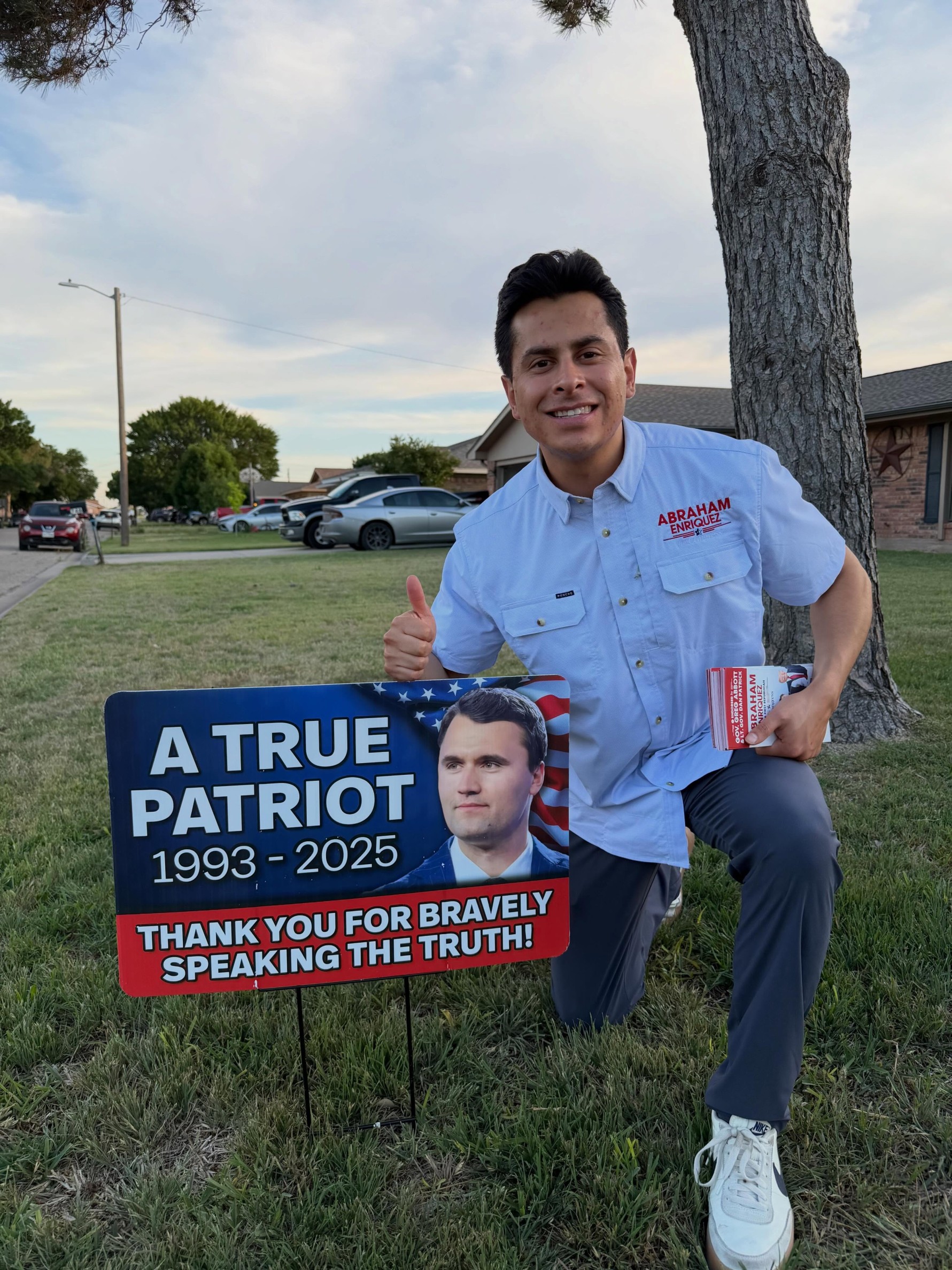
It’s a classic political maneuver: when the group chat leaks, pivot to geopolitics. Supporters have echoed his defense, arguing screenshots alone shouldn’t be treated as proof. The internet, however, is famously committed to its own standards of “seeing is posting.”
A second wave of allegations enters the chat
As the first set of claims circulated, additional anonymous allegations surfaced online involving another Republican candidate, this time including claims of drug use and sexually charged encounters. None of those claims have been independently verified, and Enriquez has not directly responded to them.
But by that point, the story had already evolved into something bigger than one campaign—it had become a genre.
The broader pattern everyone recognizes but nobody claims
Political observers have pointed out a familiar tension: the gap between strict public anti-LGBTQ rhetoric and recurring allegations of private same-sex behavior within some conservative political circles. Whether every detail here holds up under scrutiny or not, the pattern itself is what keeps getting attention.
And once a story enters that lane, it tends to stop being about one candidate and starts becoming about credibility, contradiction, and the internet’s favorite sport: connecting dots at high speed with no brakes.
Enriquez remains in the race and continues to deny wrongdoing. But the campaign narrative has already shifted—away from policy talking points and toward something far harder to message-control: a viral story that refuses to log out.
Source: IB Times
Here’s the thing, MAGA may not like gays, but if one of them (or more, unfortunately) will support thier cause and carry thier message, they’ll take him in and vote for him because his lifestyle will take second place to his vote for anything MAGA.
I believe it. He’s giving self hating bottom vibes like crazy. And who’s surprised? I mean he’s also a self hating Mexican.
Typical right wing MAGA / WAGA hypocrites : ” Don’t do as I do . Instead : ” Do as I say .” Enriquez is still closeted and not very clever. Doesn’t he realized that ALL of his internet /online activity can be exposed and investigated? Nothing like a right wing , self loathing , sneaky, duplicitous , shady conflicted candidate..