


Ace Banner knows that the internet makes it remarkably easy to pretend to be someone else. Apparently, all you need is a stolen photograph, a convincing backstory and enough audacity to introduce yourself as a Spanish secret agent named John.
RELATED: Queer Bar ‘ANIMAL’ Reports Homophobic Pepper Spray Attack on Staff
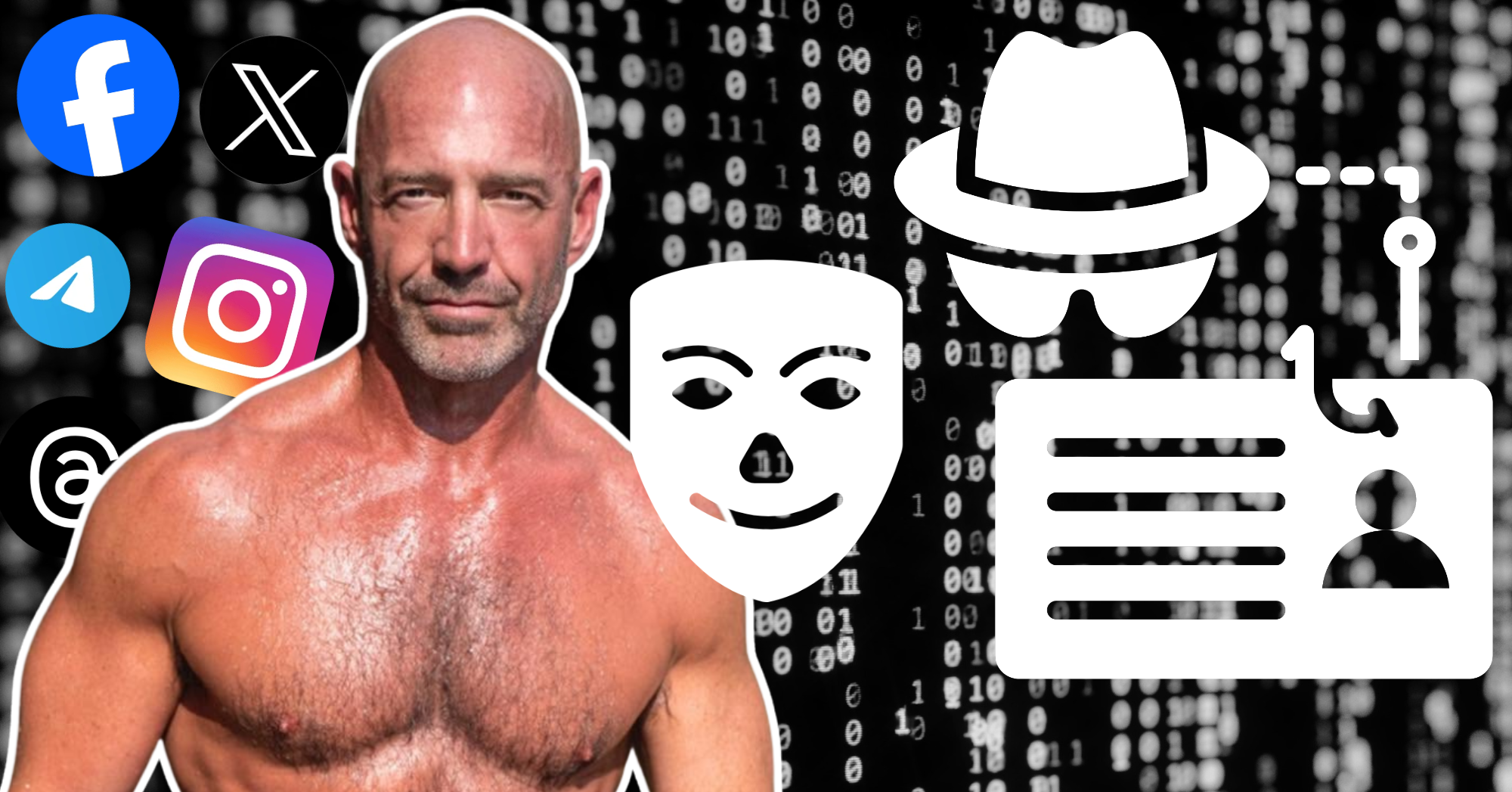
The gay adult performer, whose real name is Hunter Bigham, says scammers have stolen his photographs to create hundreds of fake profiles, using his likeness to lure unsuspecting people into romantic relationships before taking their money. Victims who eventually tracked him down have reported combined losses of approximately $1.4 million.
The situation raises an uncomfortable question about what happens when someone else’s criminal behavior becomes attached to your identity. And for Bigham, this isn’t some recent internet headache. He’s been dealing with it since 2018.
RELATED: Kim Davis’ $565K Problem Just Got Bigger—and a Judge Wants Answers
The story has attracted renewed attention following a joint investigation by PBS FRONTLINE and the Associated Press into romance scams and the people whose identities are stolen to make them possible.
Ace Banner Didn’t Sign Up to Be a Romance Scam Character
Bigham has an unusual relationship with his online photographs. A Mississippi-based furniture sales executive who also creates explicit content under the stage names Tyler Saint and Ace Banner, he has built a public presence around sharing images of himself. That, however, doesn’t give strangers permission to turn his face into an entirely different person.
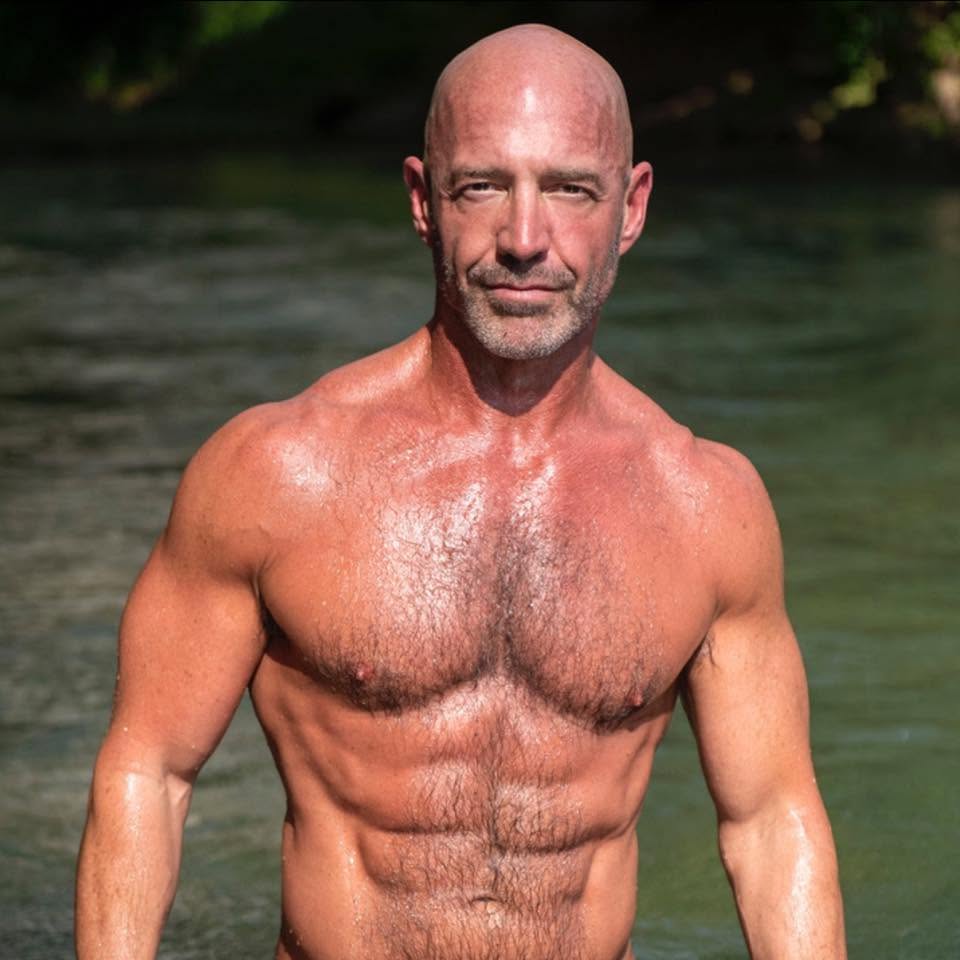
According to Bigham, scammers have used his photographs to construct fake identities and approach potential victims. The fictional characters reportedly include “a widowed petroleum geologist in Houston”, “an oil rig worker in Scotland”, and “a Spanish secret agent named John”.
It’s quite the collection of imaginary professions, although none seems to come with an actual background check.
The people behind these accounts allegedly use the stolen images to establish romantic connections before exploiting the trust they’ve built. The financial consequences have been devastating, with victims reporting losses totaling roughly $1.4 million.
But the damage isn’t limited to the people who sent money. Bigham says the impersonation has followed him into his personal life, affecting his family and leaving him to deal with people who believe he’s responsible for crimes committed by someone else.
In a Facebook post last week, he reflected on how the problem has followed him for years:
“My posts about being used as bait for scams began here on Facebook in 2018. I didn’t understand the scope of them then, but over the years it has become a supreme challenge in my life, and in the lives of my immediate family to some extent. They continue.”
Facebook Has a Bigger Problem Than Four Fake Profiles
Perhaps the most frustrating part of Bigham’s experience is that reporting the impersonators hasn’t produced the results you’d expect.
He says he has repeatedly reported fake accounts to Facebook, only to be told they didn’t violate the platform’s community standards. As of last week, he claimed only four accounts had been removed.
His complaints to the FBI haven’t produced meaningful results either. Meanwhile, Bigham says he has received threats from people who believe he was the person deceiving them, including threats against him, his family and themselves.
At the height of the problem, as many as 15 victims a day were contacting him.
That’s an extraordinary number of people to have to reassure when you’re also trying to convince the platforms hosting these accounts to do something about them.
The situation exposes a particularly frustrating imbalance: the people stealing photographs and using them to commit fraud are hiding behind fabricated identities, while the person whose face appears in those photographs is left publicly defending himself.
And when the reporting process repeatedly fails, the burden starts falling on the wrong person.
Why Should He Have to Delete Himself?
There’s an obvious suggestion people keep making: if scammers are stealing his photographs, why not simply remove the content they’re stealing?
It’s easy advice to give when you’re not the person being asked to disappear.
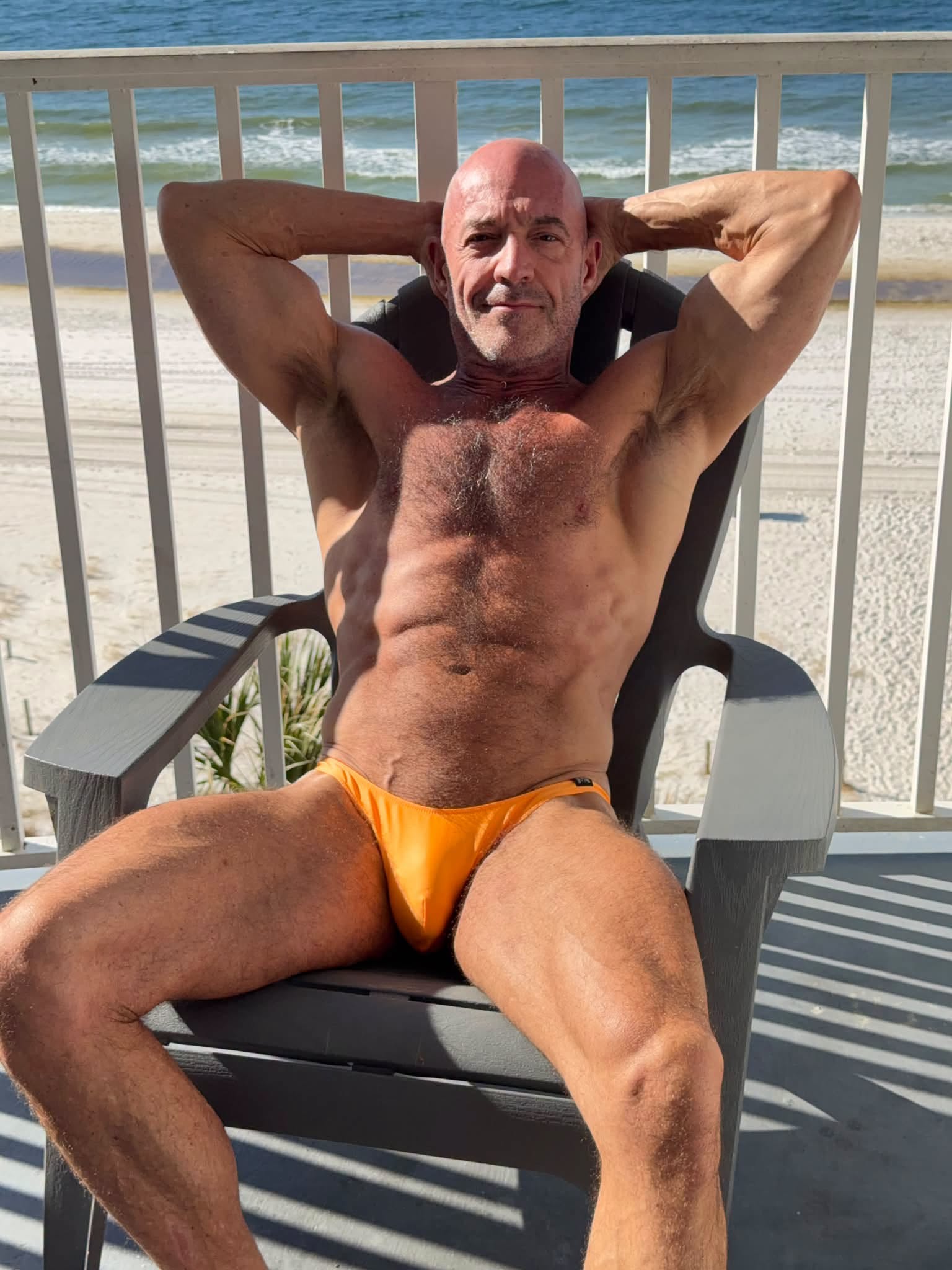
Bigham says friends and strangers have suggested deleting his profiles and explicit content as a way to stop the impersonation. But abandoning his online presence would mean sacrificing something of his own to accommodate people exploiting it.
He has described the suggestion as feeling like being forced back into the closet.
“I know some of you will say ‘just delete your content,’ but it’s not so uncomplicated,” he wrote.
And he’s right to challenge that expectation. Someone shouldn’t have to retreat from public life, conceal their work or surrender control over their own image because social media platforms aren’t adequately addressing impersonation.
The responsibility belongs with the scammers, not the person whose photographs they’ve stolen.
The People Being Scammed Shouldn’t Be Ashamed
Bigham has also made an effort to reach the people who may have been deceived using his images. Rather than treating them as gullible or blaming them for believing the fake identities, he has encouraged victims to speak up and seek support.
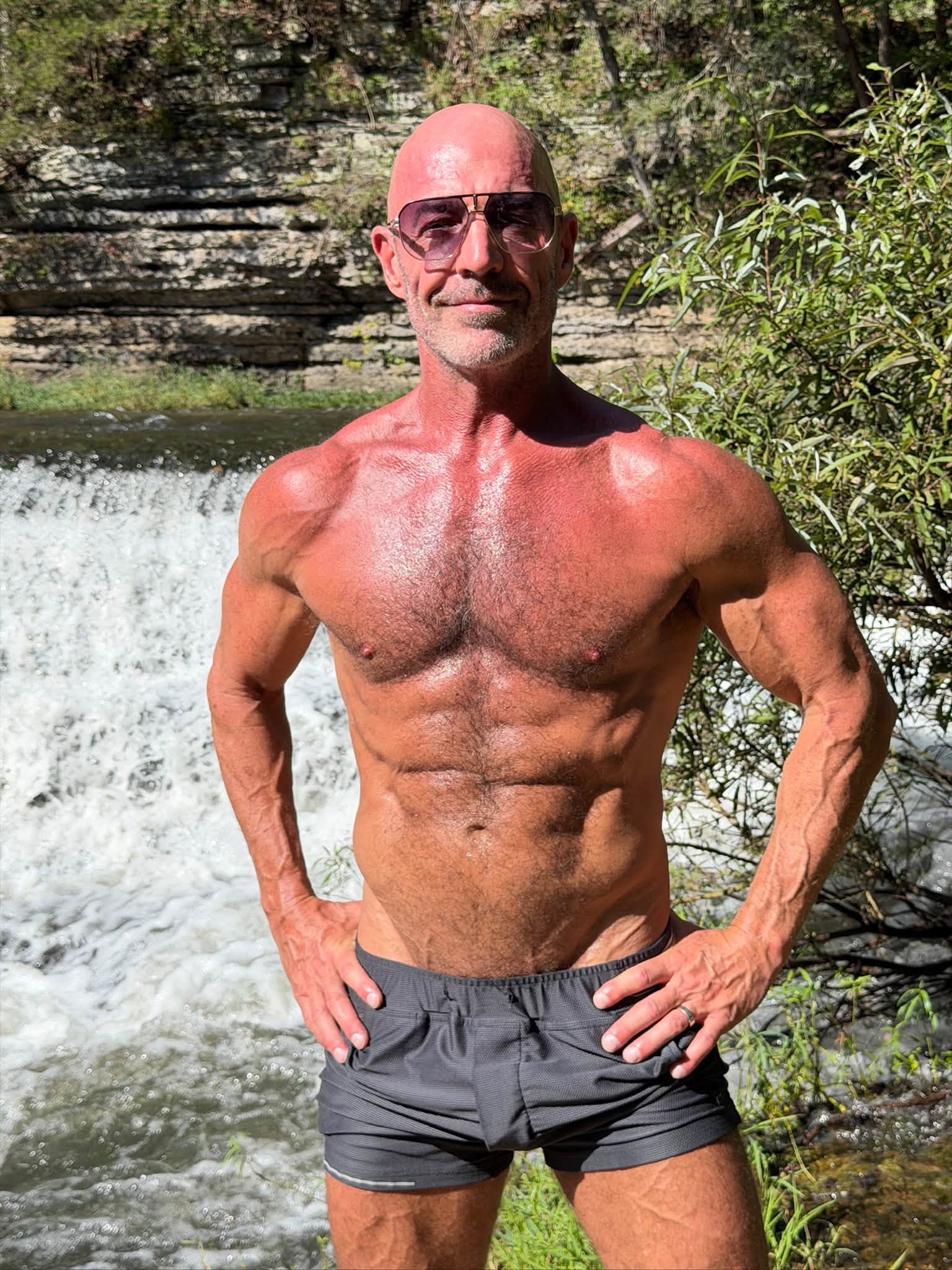
“If you have been scammed using my images, I’m sorry and please know that you’re not alone. You’re welcome to reach out like so many have.”
He also stressed that people should listen when friends or relatives express concerns about a suspicious online relationship.
“If friends or family suggest something you’re involved in might be a scam, absolutely listen to them.”
His message is particularly important because romance scams thrive on emotional manipulation. Victims aren’t simply losing money; they’re also dealing with the humiliation of discovering that someone they trusted may never have existed in the first place.
Bigham wants people to report suspicious profiles and pressure politicians to introduce changes that hold platforms accountable.
“We are all vulnerable.”
That’s a more useful conversation than telling victims they should have known better or telling the person being impersonated to delete his entire online existence.
Ace Banner can keep making content, people can keep enjoying it, and nobody should have to wonder whether the next person sliding into their messages is actually a petroleum geologist, an oil rig worker or an international secret agent named John.
The internet has enough fictional characters already. It doesn’t need to steal real people’s faces to create more.