


A VPN probably isn’t the first thing you think about when planning a trip. Usually, it’s hotels, restaurants, attractions, and whether that supposedly “10-minute walk” actually means 10 minutes or a small hike disguised by Google Maps. But for LGBTQ+ travelers, lgbtq travel safety digital privacy deserves a place on that pre-trip checklist, too.
RELATED: Best VPN for Streaming: 6 Top VPNs to Watch Content from Anywhere
Because when you travel, your phone comes with you. So do your dating apps, social media accounts, private messages, photos, banking apps, travel documents, and basically your entire digital life. Suddenly, connecting to the free Wi-Fi at the airport doesn’t feel quite as harmless as it did when you were just trying to upload a vacation selfie.
RELATED: Why Use a VPN in 2026: Privacy, Security and Everyday Benefits
For LGBTQ+ travelers in particular, digital privacy can be about much more than avoiding annoying spam. Depending on where you’re traveling, information about your identity, relationships, conversations, or online activity can carry risks that travelers elsewhere may not have to think about as much.

That makes lgbtq travel safety digital privacy less of a tech-bro concern and more of a practical travel precaution.
Your Phone Knows More Than Your Passport Does
A passport tells border officials where you’re from. Your phone can potentially tell someone a whole lot more.
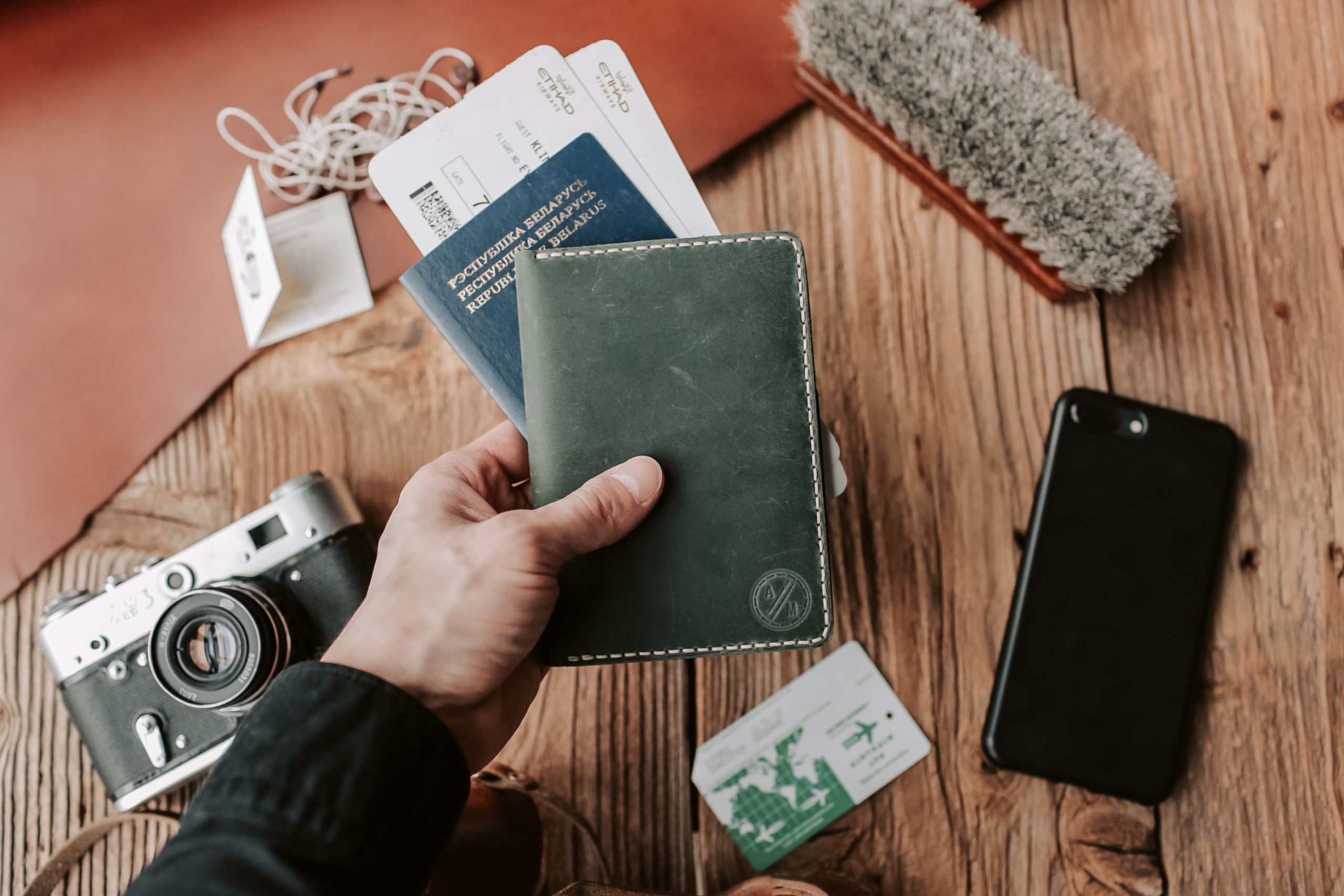
Your location history, social media accounts, photographs, messages, contacts, browsing activity, and apps can paint a surprisingly detailed picture of your life. For LGBTQ+ travelers, that information may include details about sexuality, gender identity, relationships, or communities you’re part of.
That doesn’t mean you should travel expecting someone to rifle through your phone at every border crossing. It simply means that traveling is one of those moments when being a little more deliberate about your digital footprint makes sense.
Before leaving, consider reviewing what is stored on your phone and which apps have access to your location, photos, contacts, microphone, or other information. You probably don’t need every app you’ve downloaded since 2019 knowing where you are.
And yes, that random app you used once to find a restaurant in Seoul can probably survive without permanent access to your location.
Public Wi-Fi Security Is Convenient Until It Isn’t
Free Wi-Fi is one of travel’s greatest temptations. You arrive at the airport, see the network promising complimentary internet, and connect before you’ve even collected your luggage. Then you do the same at the hotel, café, train station, or restaurant.
The problem isn’t that every public network is automatically dangerous. The problem is that travelers often have little control over who operates a network, how it is configured, or who else is using it. That’s where public wifi security becomes important.
Avoid using unsecured public networks for sensitive activities whenever possible, particularly banking or other transactions involving valuable personal information. If you do need to connect, make sure websites use HTTPS and keep your device’s operating system, browser, and security software updated.
A VPN can add another layer of protection by encrypting your internet connection, making it harder for others on the same network to monitor your traffic. It isn’t a magical invisibility cloak, unfortunately. But then again, neither is a hotel bathrobe.
Why a VPN Can Help LGBTQ+ Travelers
A virtual private network, or VPN, creates an encrypted connection between your device and a VPN server. In simple terms, it can make your connection more private when you’re using networks you don’t fully trust.
That matters for ordinary travelers. For LGBTQ+ travelers, the stakes can sometimes be higher.
A VPN can be useful when accessing sensitive accounts over public Wi-Fi, particularly if you’re traveling in places where internet monitoring or restrictions are a concern. It can also help protect your browsing activity from being easily observed by other people sharing the same network.
When thinking about lgbtq travel safety digital privacy, a VPN shouldn’t be treated as the entire strategy. It’s one piece of it.
Choose a reputable VPN provider rather than downloading the first free option that appears in an app store. Free services may have limitations, and some may rely on advertising or other business models that aren’t ideal if privacy is your priority. Read the provider’s privacy policy and understand what information it says it collects.
Because paying for privacy is generally preferable to discovering that your “free” VPN has a business model you didn’t realize you were participating in.
Your Dating Apps Deserve Some Thought Too
Travel can make dating apps particularly useful. They can help you meet people, find local recommendations, make friends, or, depending on your intentions, find someone who looks significantly better in person than their profile suggests. But dating apps can also reveal sensitive information.
Before traveling, check your privacy settings and think about what your profile reveals publicly. Be cautious about sharing your exact hotel, room number, daily itinerary, or other identifying details with strangers.
Location-based apps deserve particular attention because their entire premise involves connecting people based on where they are. That’s convenient when you’re looking for someone nearby. It is less convenient when you would prefer strangers not to know exactly where you’re staying. And remember that screenshots exist.
Anything you send to someone else should be treated as something that could potentially leave the conversation, regardless of how trustworthy the person seems.
Be Careful With What You Post in Real Time
Travelers love live posting. You have barely stepped outside the airport before Instagram knows you’re in another country. Thirty minutes later, everyone knows which hotel you’re staying at, what restaurant you’re visiting, and that you’re apparently having the best vacation of your life.
For LGBTQ+ travelers, sharing your location in real time may sometimes be worth reconsidering. Posting a beautiful hotel view after you’ve left is different from announcing to thousands of people that you’re currently alone in room 614.
The same goes for photographs that reveal boarding passes, passports, hotel reservations, street signs, or other identifying information. A vacation photo can contain considerably more information than the person posting it intended.
A little delay between experiencing the trip and broadcasting it online can therefore be surprisingly useful. Your followers can wait. They survived before Instagram Stories.
Don’t Forget Your Accounts
Strong passwords and two-factor authentication remain some of the least exciting but most useful forms of digital protection.
Before traveling, make sure your important accounts have unique passwords and enable two-factor authentication where available. If your phone is lost or stolen, those extra protections can make it considerably harder for someone else to access your accounts.
It’s also worth knowing how to remotely lock or erase your phone if it disappears.
And keep backups of important travel documents somewhere secure. Losing your phone shouldn’t mean losing the only copy of your passport information, reservations, insurance details, or emergency contacts.
This is where lgbtq travel safety digital privacy becomes less about paranoia and more about preparation.
Digital Safety Is Part of Travel Safety
LGBTQ+ travel safety has traditionally focused on questions such as whether a destination is welcoming, what local laws say, and how openly LGBTQ+ people can express themselves. Those questions remain important. But modern travel has another layer. Your digital identity travels with you.
Your phone knows who you talk to. Your apps may know where you go. Your social accounts show what you post. Your dating apps can reveal who you’re interested in. Your browsing history can say things you might not want a stranger to know.
None of this means LGBTQ+ travelers need to spend their vacations looking over their shoulders or abandoning their phones altogether. It simply means that digital privacy deserves a place alongside passports, travel insurance, and remembering to pack the charger.
Use trusted networks when possible. Think carefully before sharing sensitive information. Keep your devices updated. Protect your accounts. Consider a reputable VPN when appropriate, especially when using public Wi-Fi.
Because the ideal vacation involves coming home with great memories, terrible amounts of camera-roll clutter, and perhaps one questionable souvenir.
It shouldn’t involve coming home wondering who else had access to your private digital life.