



Disneyland might be the happiest place on Earth, but there was a time when same-sex couples weren’t welcome on its dance floors. Yes, really! Before the rainbow merchandise, Pride celebrations, and queer Disney fans making magical memories together, two teenagers had to fight for something as simple as dancing with another guy. And their story deserves a spot in LGBTQ history.
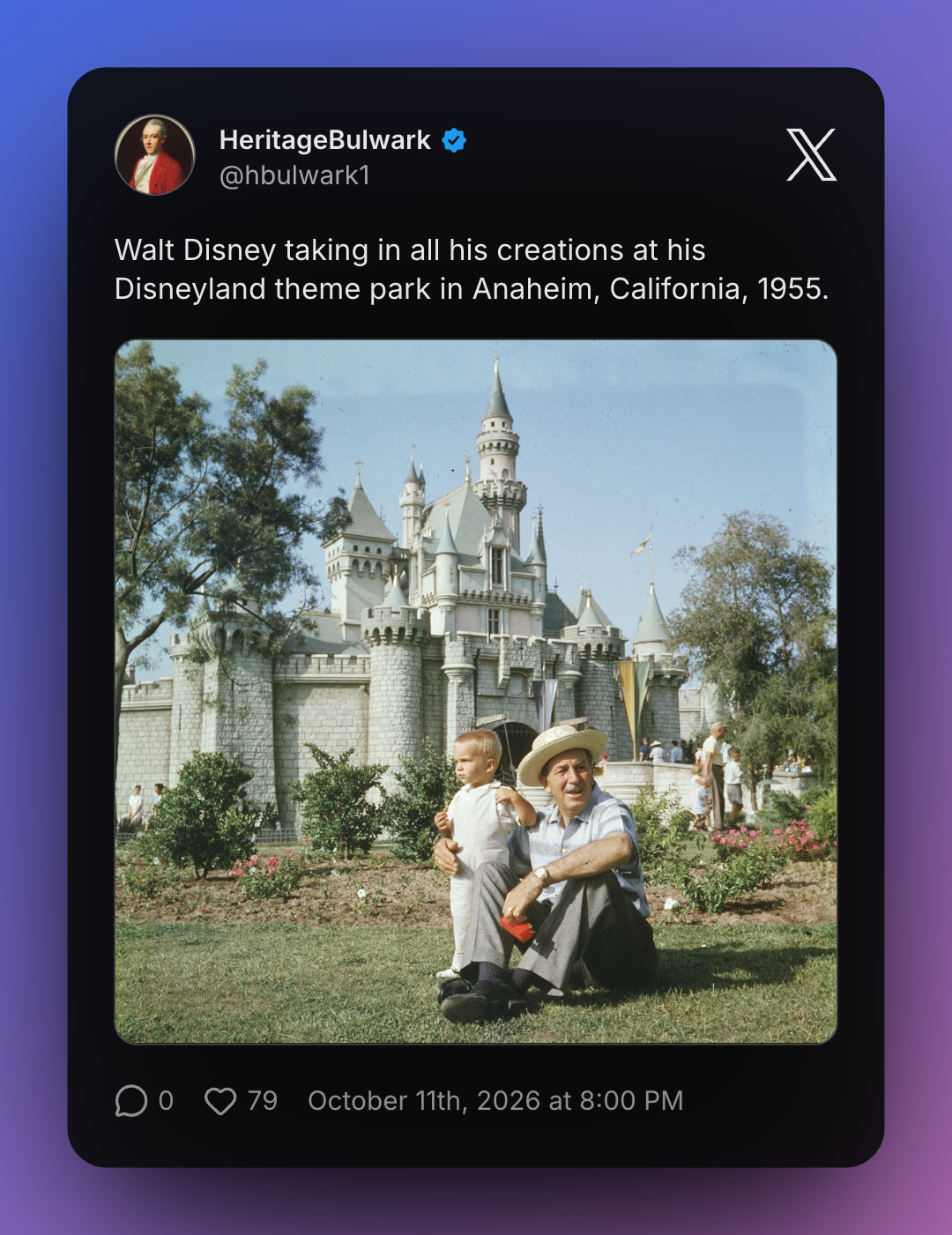
When Dancing With Another Guy Was Against the Rules
Let’s rewind to September 13, 1980. Andrew Ross Exler, 19, and Shawn Elliott, 17, headed to Disneyland in Anaheim, California, with a mission: challenge the park’s ban on same-sex dancing.
The policy dated back to 1957, when Disneyland first introduced dancing at the park. Officials claimed the restriction was about crowd control, protecting women, and preventing other guests from being offended. Because apparently, two guys enjoying a dance together were a threat to the magic.
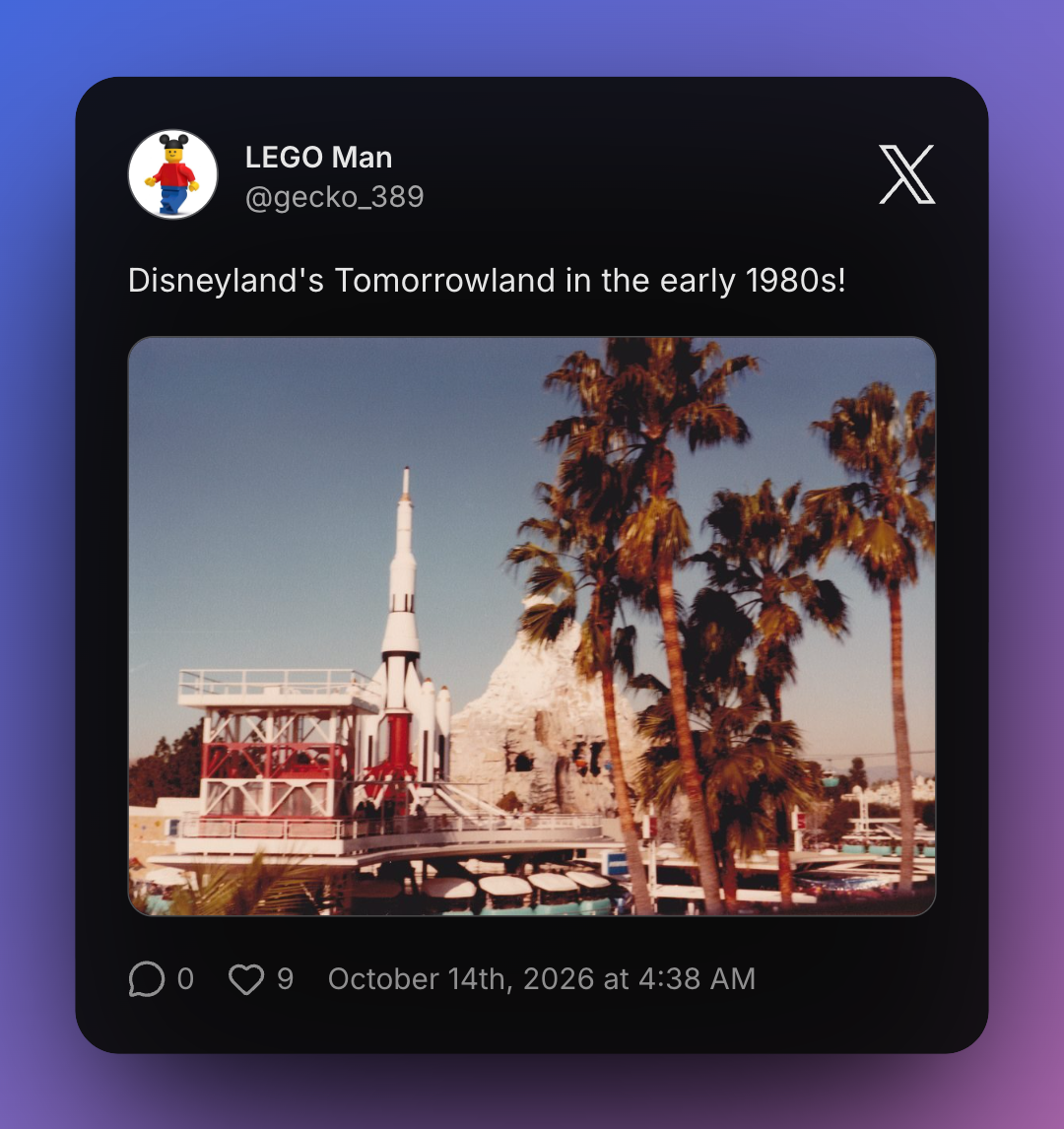
Exler and Elliott took to the Tomorrowland dance floor to test the rule after attempting to get park officials to change it. It didn’t take long for security to intervene. The two were removed from the dance floor, and Exler recalled being told that there was no room for “alternative lifestyles” at a family park. Well, if Disney was hoping they’d quietly disappear into the crowd, it had another thing coming.
READ: Another Day, Another Disney Star on OnlyFans — and We’re Not Complaining
Two Teenagers Took Disney to Court
Just 10 days after the incident, Exler and Elliott filed a lawsuit against Disneyland, arguing that the park had violated their civil rights. Their case relied on California’s Unruh Civil Rights Act, which protects people against discrimination by businesses.
The legal fight lasted years, but in May 1984, an Orange County Superior Court judge ruled in their favor. The court found that Disneyland had violated the men’s civil rights by preventing them from dancing together.
Disney initially argued that the ruling applied only to the two plaintiffs, rather than everyone who wanted to dance with a same-sex partner. So, while the decision was a victory, the fight for broader change wasn’t quite over.
READ: Disney Couldn’t Say Ryan Evans Was Queer, So Kenny Ortega Got Creative
Making the Happiest Place a Little More Inclusive
In July 1985, Disneyland quietly dropped its ban on same-sex dancing, opening the dance floor to same-sex pairs at its Videopolis teen dance club. The park said the change responded to guest feedback, although Exler believed the lawsuit and the attention it generated helped push things forward.
Then, in 1988, three more gay men sued after allegedly being stopped from slow-dancing together. In 1989, they dropped their lawsuit after Disneyland reaffirmed its policy against discrimination based on sexual orientation.
So the next time you’re at Disneyland, holding hands with your boyfriend or dancing together without a second thought, remember the two teenagers who challenged the rules.
Sometimes, making magic means refusing to accept that you don’t belong.