


The NHL has survived lockouts, rule changes, and an ongoing debate about whether fighting is “strategy” or just hockey’s version of emotional punctuation. But nothing—absolutely nothing—has quite rattled the suits like a romance series turning their sport into a slow-burn cultural event.
RELATED: Henry Cavill and Jake Gyllenhaal Are Giving Husbands Energy
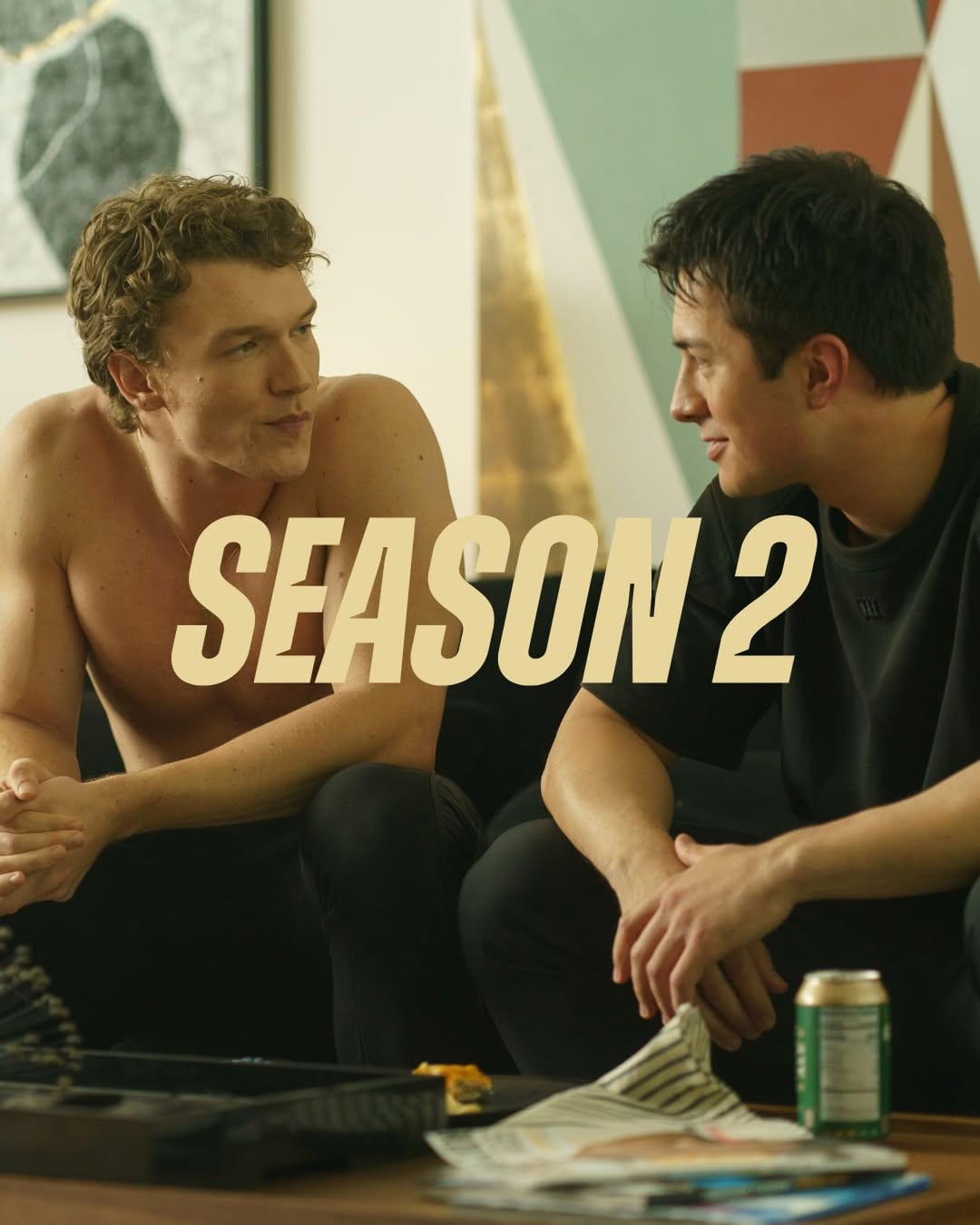
Yes, Heated Rivalry is back for season 2. And yes, NHL is watching it the way you watch your own group chat after someone says, “we need to talk.”
When the NHL becomes a romance show problem
At the heart of it all is the adaptation of Rachel Reid’s novel The Long Game, where rivals Ilya Rozanov and Shane Hollander are out here trying to balance elite hockey careers with the emotional stability of two people who definitely should not be sharing feelings in HD—and definitely not under the watchful eye of the NHL.
RELATED: Off Campus’ Belmont Cameli Is Too Hot, Cute, and Helped Save 7 Lives
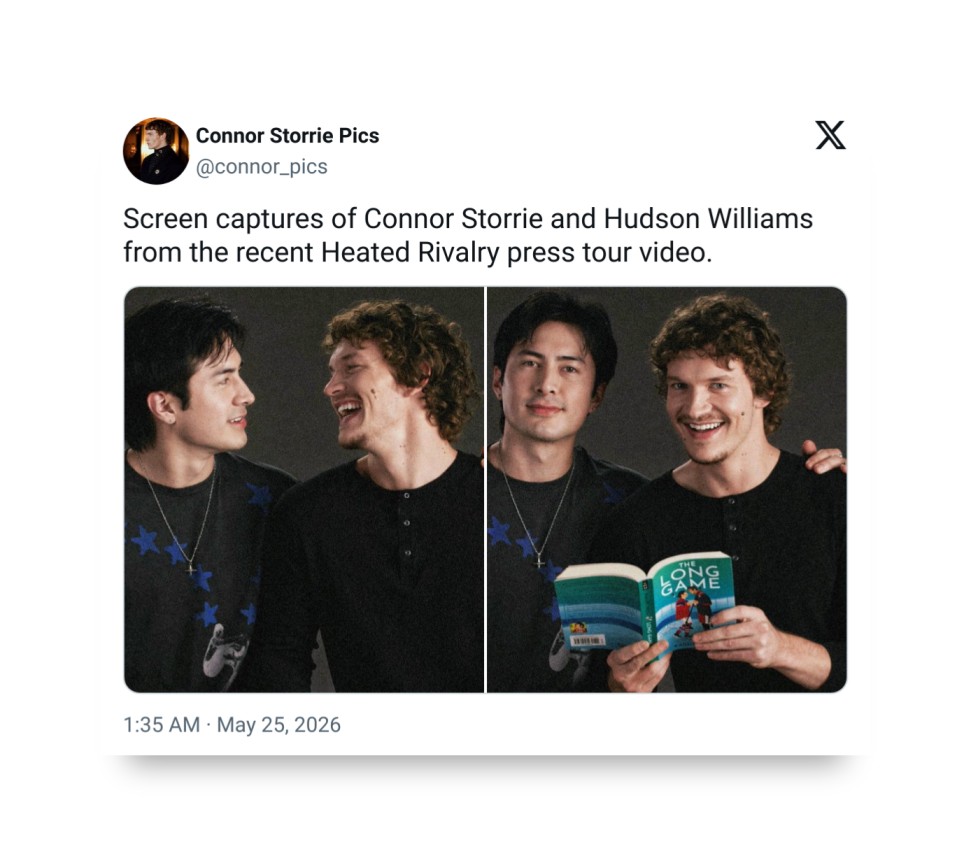
On screen, they’re played by Connor Storrie and Hudson Williams, who have collectively managed to turn “hostile rivalry on ice” into “why am I emotionally invested in two men staring at each other through plexiglass.”
Season 2 reportedly raises the stakes: less secret longing, more external pressure, and the kind of institutional interference that screams, “this relationship needs a lawyer and possibly a group chat exit plan.” And then comes the part that makes NHL offices suddenly remember they have emails to answer.
Enter: the villain with corporate energy
This season introduces Major League Hockey Commissioner Roger Crowell—a man who feels like he was written specifically to say things like “this is not in line with league values” while standing in aggressively neutral lighting. And here’s the problem: fictional villain or not, people are starting to squint at the real-life mirror.
Because mirrors in hockey are never just mirrors. They’re more like ice surfaces—reflective, cold, and somehow always leading to someone falling down.
“We have work to do.” (Translation: help)
Speaking to PR Week, NHL executive vice president Kim Davis didn’t exactly sound like someone relaxed about the situation. Davis also noted Bettman has “shared with the co-producers that what they say about him [in the show] is not at all the way he would react”. Which is arguably the most diplomatic way of saying: “That is not my brand, please and thank you.”
Davis added: “We have work to do in preparation for that.”
Which, in corporate translation, lands somewhere between we are strategizing and someone please explain TikTok to me again.
Bettman watches, processes, and binge-watches
To his credit, NHL commissioner Gary Bettman has already done the most human thing possible: watched the entire show in one sitting.
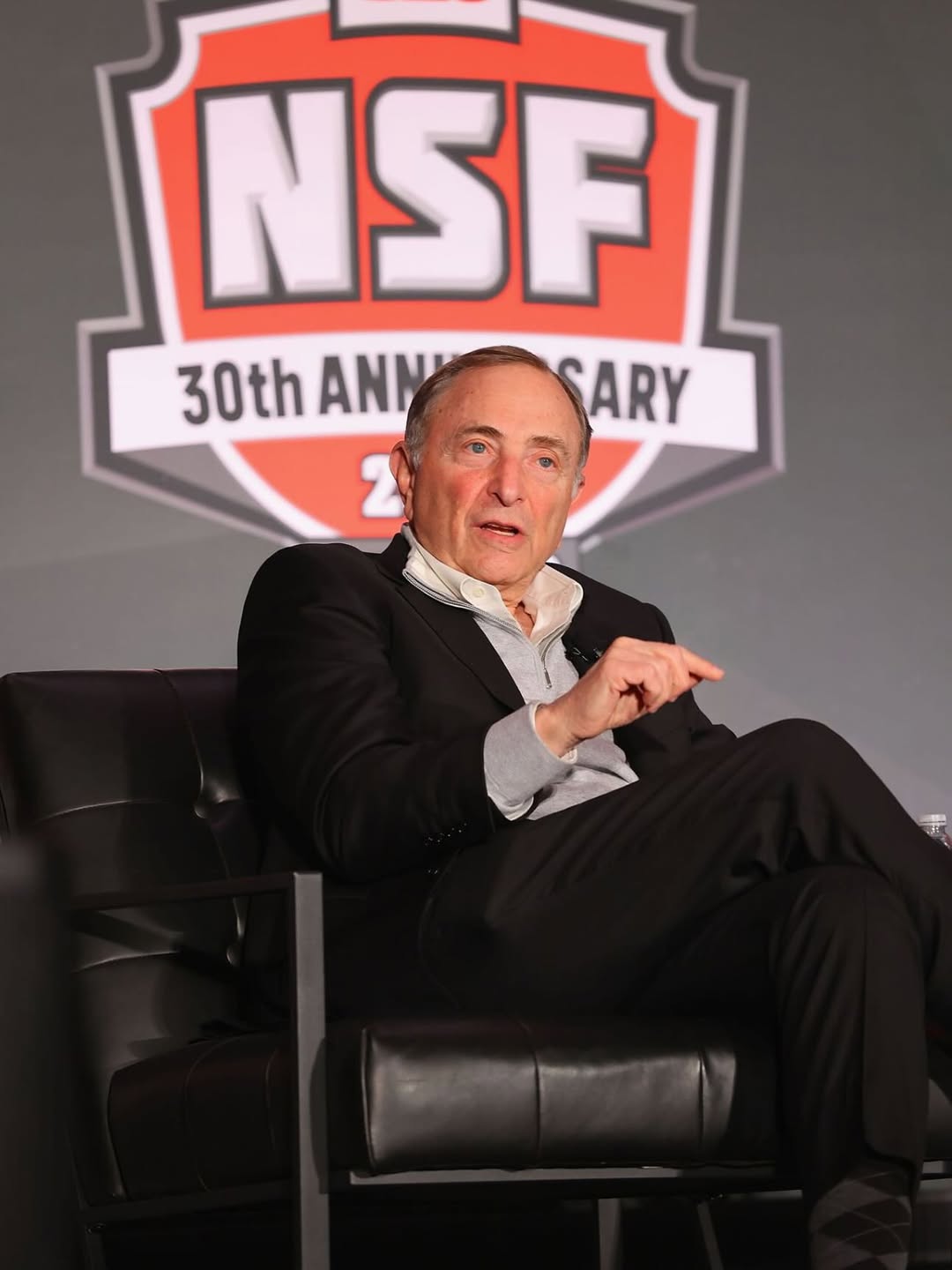
He called it “a wonderful story.”
He continued: “The content — particularly for young people — may be a little spicy, so you have to balance that out.
“I thought the storyline was very compelling. And a lot of fun, because I could see where they were picking at things we [as a league] had done in the past, whether or not it was being in Sochi or the All-Star Game in Tampa. It was very well done.”
Which is a surprisingly chill review for a man whose fictional alter ego is currently being written as “administrative antagonist with authority issues.”
Hockey, but make it emotionally complicated
The NHL under Bettman since 1993 has built out LGBTQ+ inclusion efforts, including the You Can Play project. It has also had… let’s call them interpretive phases with Pride nights and Pride tape, including a 2023 ban that was later reversed. Fans, understandably, did not file that under “clean narrative arc.” 
And now Heated Rivalry has entered the chat—bringing in new audiences, new conversations, and a growing number of people who showed up for hockey and accidentally stayed for emotional damage.
“It’s not about that” (but also it kind of is)
On the earlier Pride-related controversies, Bettman clarified:
“It’s a misrepresentation of what we did to suggest that it was about Pride jerseys; it was about the whole issue of what you put on the ice and how, when players don’t embrace the cause, whatever it is, then you create distraction, and it doesn’t fulfil the purpose in terms of embracing Pride nights.”
Which is a very long way of saying: it’s complicated, but also, please stop turning it into a plot twist.
The real game is off the ice
At this point, Heated Rivalry season 2 isn’t just a TV release—it’s a cultural stress test for a league that suddenly finds itself part of a fandom ecosystem where feelings are tracked, analyzed, and occasionally edited into TikTok edits set to slow piano music. Because the show isn’t only telling a love story between two hockey players. It’s also quietly asking: what happens when the sport being fictionalized starts reacting to the fiction like it’s a real opponent?
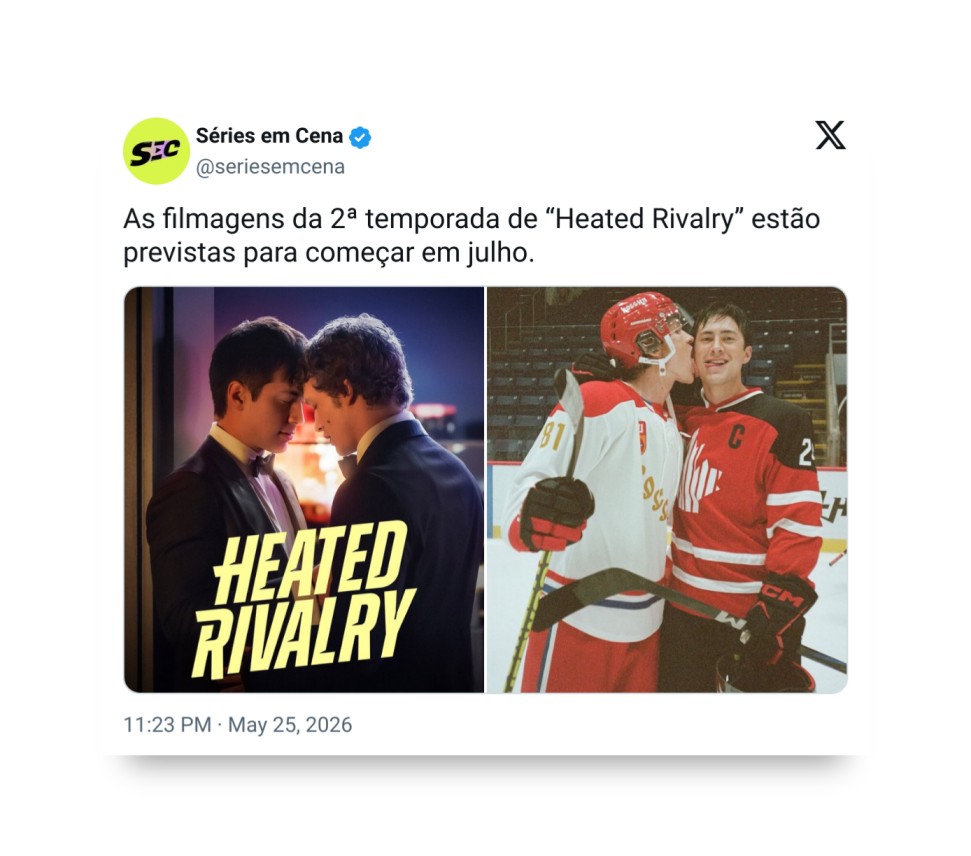
And judging by the response so far, the NHL’s answer is simple, familiar, and deeply on-brand:
“We have work to do.”
Preferably before episode one drops.
Source: PR Week