


Pete Buttigieg has a pretty straightforward answer to a question that still feels surprisingly complicated in American politics: Is America ready for a gay president?
RELATED: James Talarico’s Trans Sports Shift: What Changed?
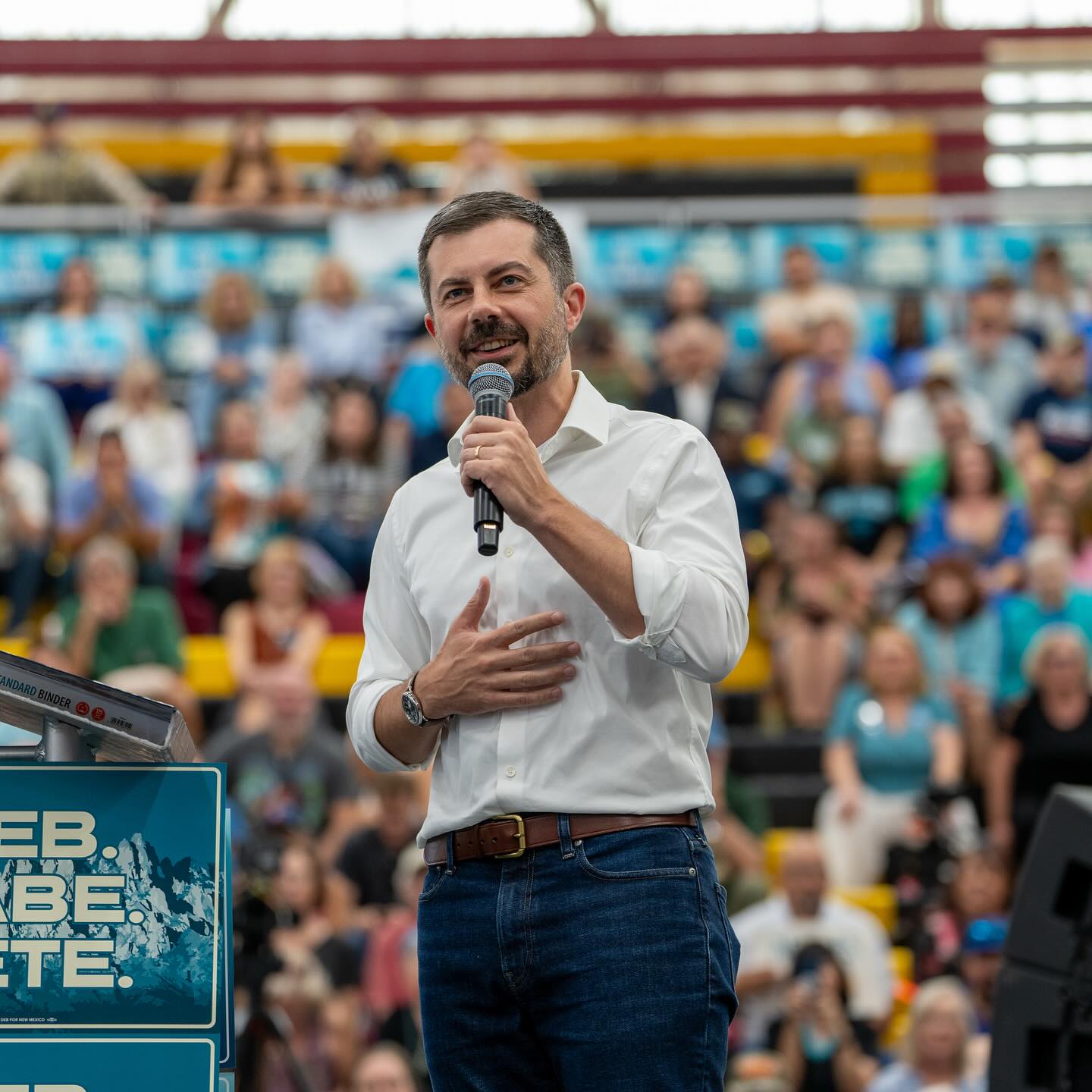
“Of course,” Buttigieg said when asked whether he believes the country is ready.
The former U.S. transportation secretary and former South Bend, Indiana, mayor was asked about his political future and whether he thinks the country has moved far enough that a gay candidate could realistically reach the White House.
The question came in the context of former Vice President Kamala Harris’ book about the 2024 election, in which she wrote that Buttigieg came close to becoming her running mate.
RELATED: Trump Went Full Horny—Meat Jokes, $5,000 Checks, and Piker’s Underwear
Harris wrote: “He would have been an ideal partner if I were a straight white man, but knowing what was at stake, it was too big of a risk.”
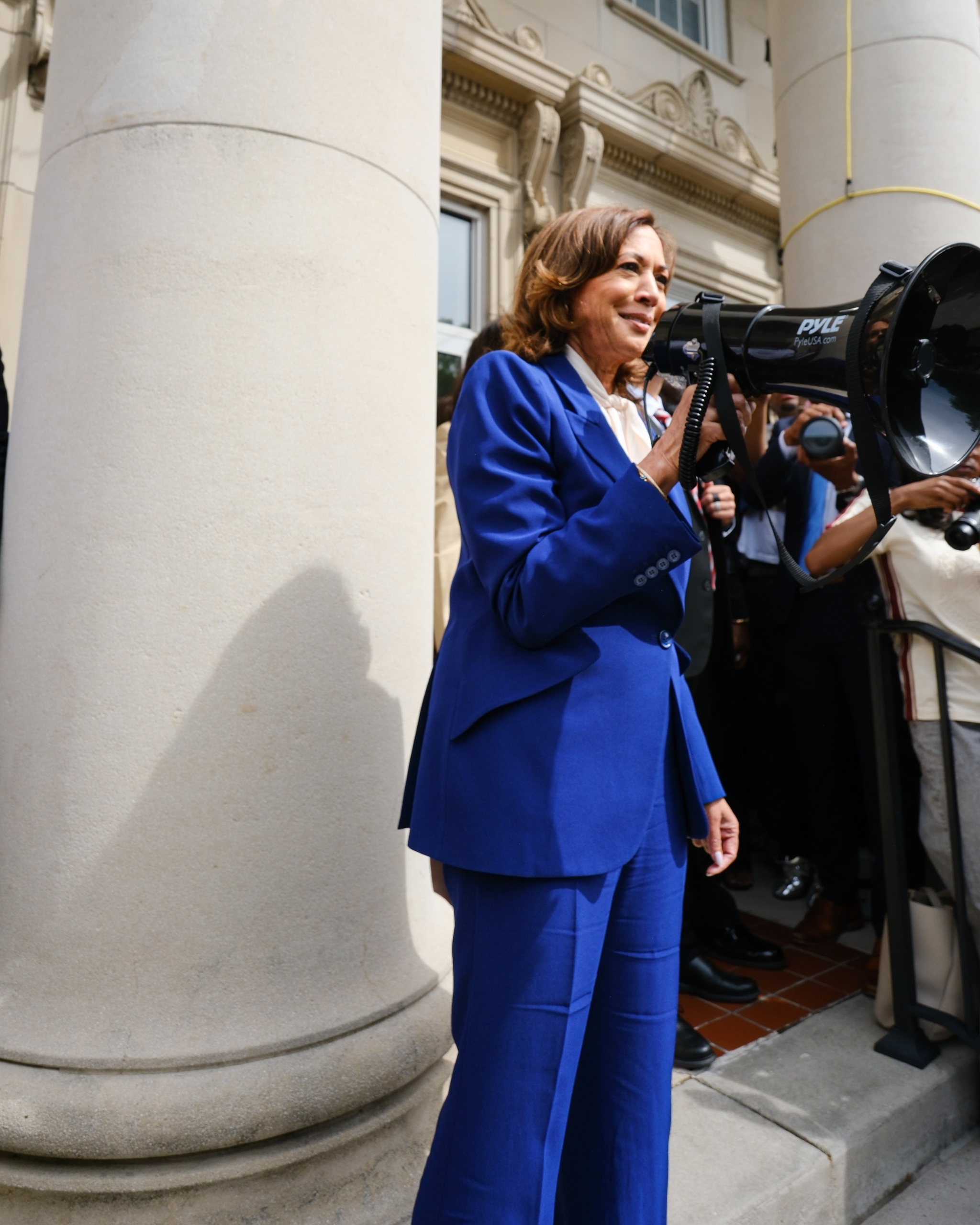
The interviewer characterized that passage as Harris essentially acknowledging that she did not believe America was ready for a gay vice president running alongside a Black woman at the top of the ticket.
So, naturally, Buttigieg was asked whether he thinks America is ready to go one step further.
Buttigieg thinks the voters are ready
Buttigieg pointed back to his own political experience as evidence that voters can look beyond a candidate’s identity.
“I wouldn’t have run for president in the first place if I didn’t believe that. Of course. My experience in South Bend, Indiana, getting re-elected with 80% of the vote after coming out and experience right now traveling the country shows me what’s on people’s minds isn’t about you, your identity as a candidate. It’s about them, their lives. Right now Americans are hurting in Trump’s economy.
There is an opportunity to change that and the voters that I see, they are turning out in levels I didn’t think was possible, coming out hundreds and hundreds at a time because they want to be part of this effort, this conversation, this movement to change the course of our country before it’s too late.”
It’s an interesting argument, particularly because Buttigieg’s political career has already involved asking voters to do something that once seemed like a much bigger leap.
He came out as gay while serving as mayor of South Bend and was subsequently reelected with 80% of the vote, a result he now points to when discussing whether a candidate’s sexuality automatically makes them unacceptable to voters.
His broader point is that voters have plenty of things competing for their attention. Their jobs, finances, families and the state of the country may matter considerably more to them than whether the person asking for their vote happens to be gay.
And honestly, after years of American politics treating someone’s sexuality like it belongs in a presidential candidate’s compatibility report, that is quite a shift.
So, is Buttigieg running in 2028?
Well, about that. Buttigieg has previously said he is inclined to run for president, so the obvious follow-up was whether he would make the decision today to seek the Democratic nomination in 2028. His answer was considerably less definitive.
“I don’t think now is the time to be talking about that. We are about 50 days away from a critically important midterm. I believe Democrats are going to win. It’s 2026. We got to focus on what’s happening right now. That’s what I’m doing. I think by my count, we have been to 35 states since I left the Cabinet. I don’t want to take the focus off of that.”
Translation: the 2028 speculation can wait.
For now, Buttigieg says his attention is on the 2026 midterms and the political work he has been doing around the country since leaving the Cabinet. He emphasized that he does not want talk of a potential presidential campaign to distract from that effort.
Which, of course, will probably not stop anyone from talking about 2028. Presidential politics has never exactly been famous for its ability to leave a juicy hypothetical alone.
A gay president still feels like a milestone
Buttigieg’s comments also land differently because he would not simply be another Democratic presidential hopeful if he ran again. He would be attempting something the United States has never done: electing an openly gay president.
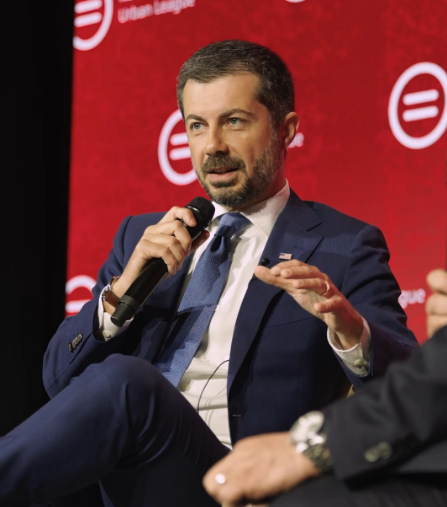
He already made history as the first openly gay major-party presidential candidate to win a presidential primary contest when he won the Iowa Democratic caucuses in 2020. He ultimately ended that campaign after the South Carolina primary.
Whether American voters are ready for a gay president is therefore no longer purely theoretical. Buttigieg has already spent years testing how much identity matters when voters enter the voting booth.
And his answer is essentially that voters have bigger things to worry about.
That does not mean prejudice has magically disappeared. It also does not mean every voter would be comfortable with a gay candidate. But Buttigieg clearly believes his experiences show that being gay does not automatically make someone unelectable.
Would you vote for a gay president?
Would America actually vote for an openly gay president? Is Buttigieg right that voters increasingly care more about what a candidate can do for their lives than who that candidate is?
Or would sexuality still become a major political weapon once the stakes reached the White House?
For Buttigieg, at least, the answer is pretty clear: America is ready. Now the more interesting question is whether America is ready to prove him right.
I think if he can reframe his campaign about not being a popularity contest. Make it about being what’s good for the people, what he can actually do. Then yes, America will elect a gay man. We need to get over all this concentration on identity politics anyway. It’s exactly what supports the oligarchs and fascists in the first place.
I disagree with him. He would make a great President. Yet the usa is too divided and run by hate to elect him when they could not elect an educated woman to be president.
America is not ready. We had a biracial President and fascism came back into fashion.
Do I want there to be a President Buttigieg, of course! He is a smart, charismatic dude, he goes and debates people to pursuade them. But are my parents or siblings going to vote for him? That’s the main issue.