


Pete Buttigieg may not have officially entered the 2028 presidential race, but he has never sounded more open to the idea. After months of speculation and strong polling among potential Democratic contenders, the former transportation secretary is now acknowledging that another White House bid is a real possibility, while making it clear that he is taking the decision seriously.
The timing is significant. Buttigieg has remained one of the Democratic Party’s most recognizable figures despite leaving office, regularly appearing on television, speaking at political events, and weighing in on national issues. Now, his latest comments have transformed whispers into something far more concrete.
The Hint Everyone Noticed
One of the clearest signals came back in April during the National Action Network’s 35th annual convention, when civil rights leader Al Sharpton playfully revisited Buttigieg’s 2020 campaign.
Did Pete Buttigieg just say he’ll run for president in 2028?
SHARPTON: “Are you going to run again?”
BUTTIGIEG: “You save me a seat, I’ll be there.” pic.twitter.com/ZFf9QffFmt
— RNC Research (@RNCResearch) April 10, 2026
Sharpton joked that since they famously met for lunch at Sylvia’s Restaurant during Buttigieg’s previous presidential run, he wanted to know if he should reserve another table for 2028.
Buttigieg smiled and replied, “You save me a seat. I’ll be there.”
It was hardly a formal campaign announcement, but it was enough to keep the conversation alive among political observers who have long viewed him as a likely contender.
READ: Why Was Pete Buttigieg Forced To Spend a Night Away From His Kids?
Family Comes Before Politics
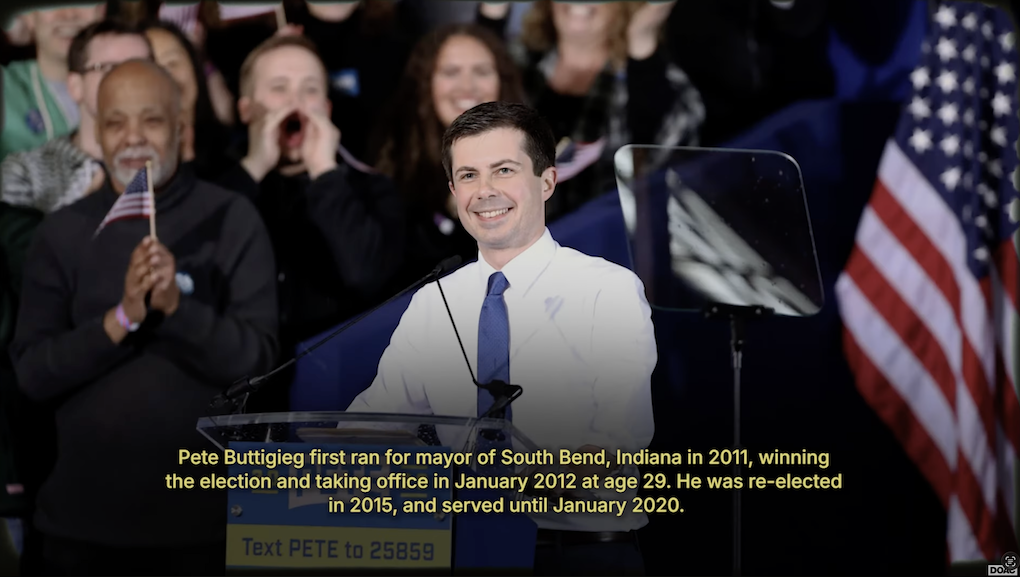
More recently, Buttigieg offered his most candid thoughts during an appearance on The Diary of a CEO podcast with Steven Bartlett.
When asked whether he was strongly inclined, inclined, not inclined, or strongly not inclined to run for president, the former Secretary of Transportation resisted giving a dramatic answer. Instead, he settled on something much more measured.
“I’m more inclined than not,” he said, while emphasizing that there are still countless unknowns before making such a life-changing decision.
His hesitation reflects more than political strategy. Buttigieg explained that becoming a father has fundamentally changed how he thinks about running for office.
Pete Buttigieg: Parental Leave Was The Hardest I’ve Ever Worked In My Life
“I have had roles and jobs where I have worked very, very hard, but the hardest I’ve ever worked in my life was when I was on parental leave when we adopted our newborn son and daughter, our twins. That… pic.twitter.com/QHVkjfldP4
— Tony Jacob | FindaClip.com (@tonjkb) August 3, 2026
He admitted that he did not fully understand the personal weight a presidential campaign places on a family until he and his husband, Chasten, welcomed their twins. Any future campaign, he said, would require careful consideration, not only for himself but for the people closest to him.
Those comments came after his family experienced an unsettling period involving false swatting reports from an unverified source, another reminder that high-profile public life can bring real risks beyond the campaign trail.
The Question Only Buttigieg Can Answer
Perhaps the most revealing moment of the interview came when Buttigieg admitted he is asking himself one central question. Is he bringing something different enough from what everyone else is offering? That may ultimately determine whether he enters what is expected to be a crowded Democratic primary.
Rather than simply relying on name recognition or his previous presidential experience, Buttigieg appears focused on whether he has a unique vision that genuinely advances the conversation.

That same philosophy surfaced during a recent fundraiser in Provincetown for Massachusetts Governor Maura Healey. Speaking to supporters, Buttigieg argued that Democrats should aim higher than simply restoring America to the way things were before Donald Trump’s return to power.
“Our task is before us is not just to reconstruct the broken pieces of the previous status quo,” he said. “When we talk about something better, that means not just better than now. It means better than before.”

For LGBTQ+ voters, Buttigieg’s potential candidacy carries obvious historic significance. Yet history alone will not be enough in 2028. If he decides to run, voters will expect more than symbolism. They will want a vision that feels fresh, practical, and capable of meeting the political moment.
For now, there is no official campaign. But if Buttigieg’s recent comments are any indication, reserving that table may not be such a bad idea after all.