


Russell T Davies has spent decades writing about queer lives, but apparently the future he imagined back in 1999 needed a sequel nobody particularly wanted.
RELATED: Gay Health: Mark Feehily’s Sepsis Battle Meets Bobby Norris’ Welts
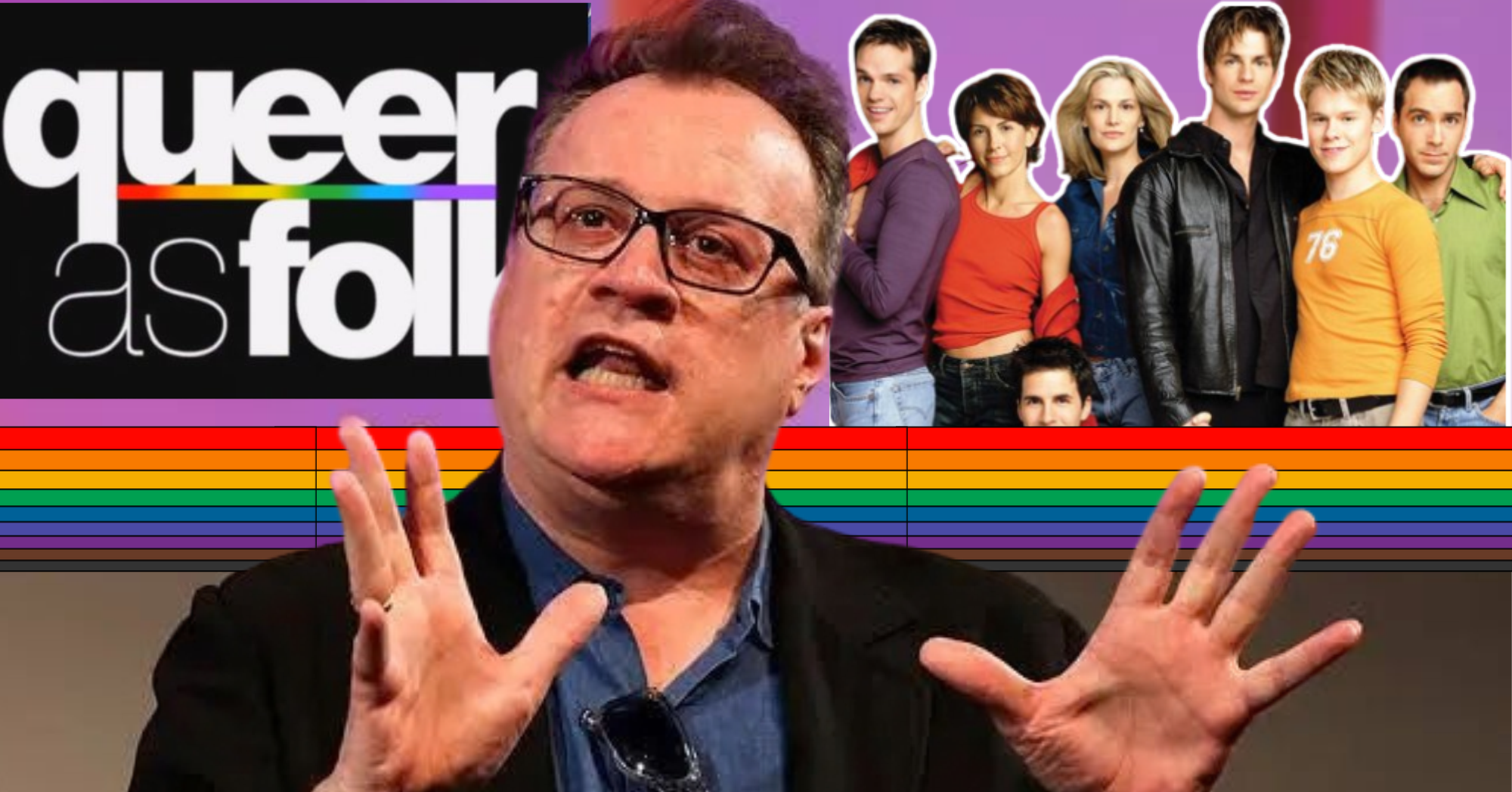
The Queer as Folk creator says the resurgence in homophobia and the growing hostility toward LGBTQ+ people helped push him toward his newest project. And after everything he has watched unfold, Davies sounds less like a writer looking for inspiration and more like someone who simply could not ignore what was happening around him.
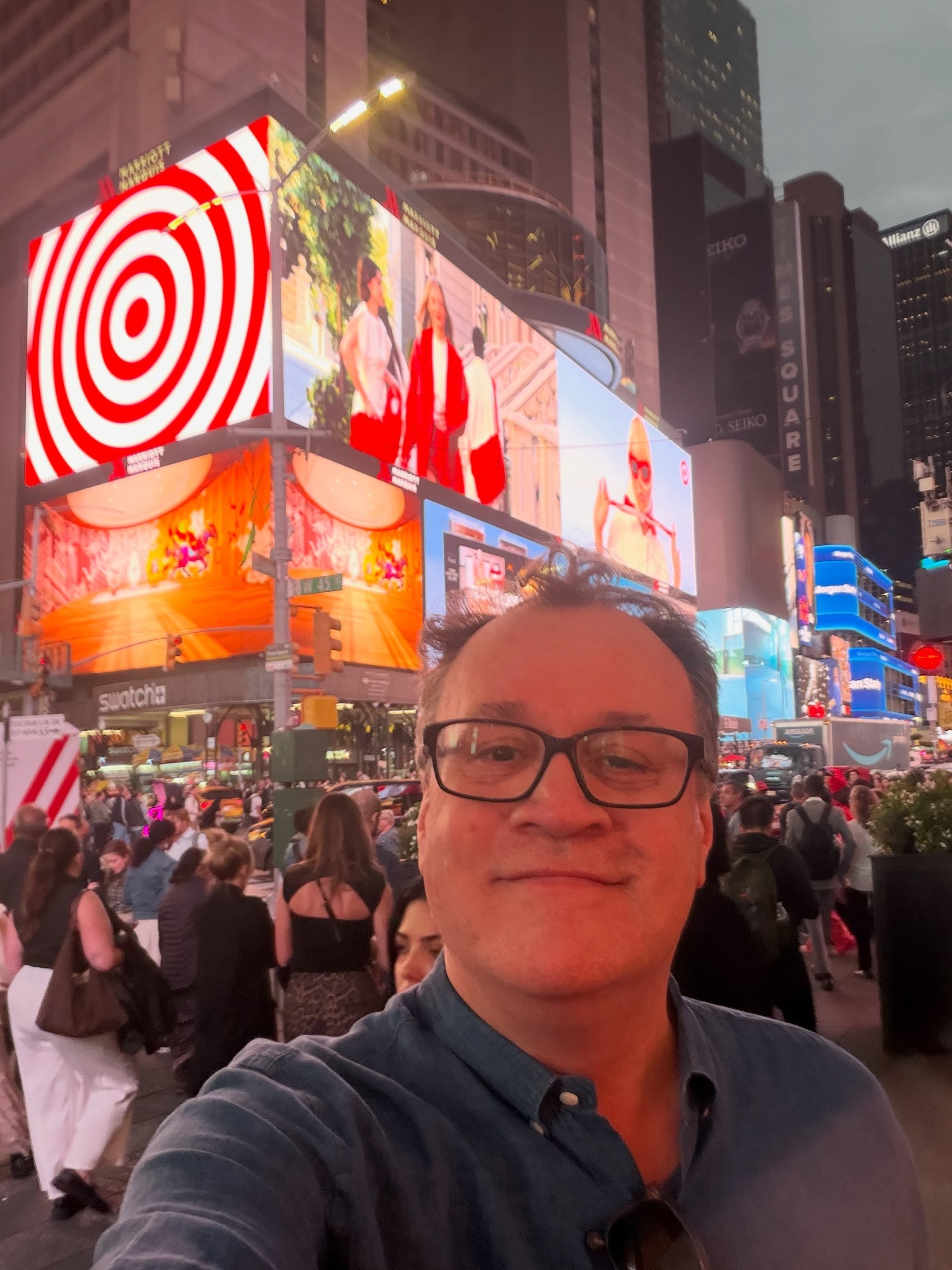
“I’m kind of sad that having done ‘Queer as Folk’ in 1999, that then you would have imagined 2026 would be a lot happier with equal gay rights everywhere, instead of seeing it going wrong.”
That disappointment is really the heart of Davies’ comments. When Queer as Folk arrived in 1999, imagining a future with broader acceptance could reasonably feel like the direction of travel. More rights, more visibility, less fear. Progress, basically.
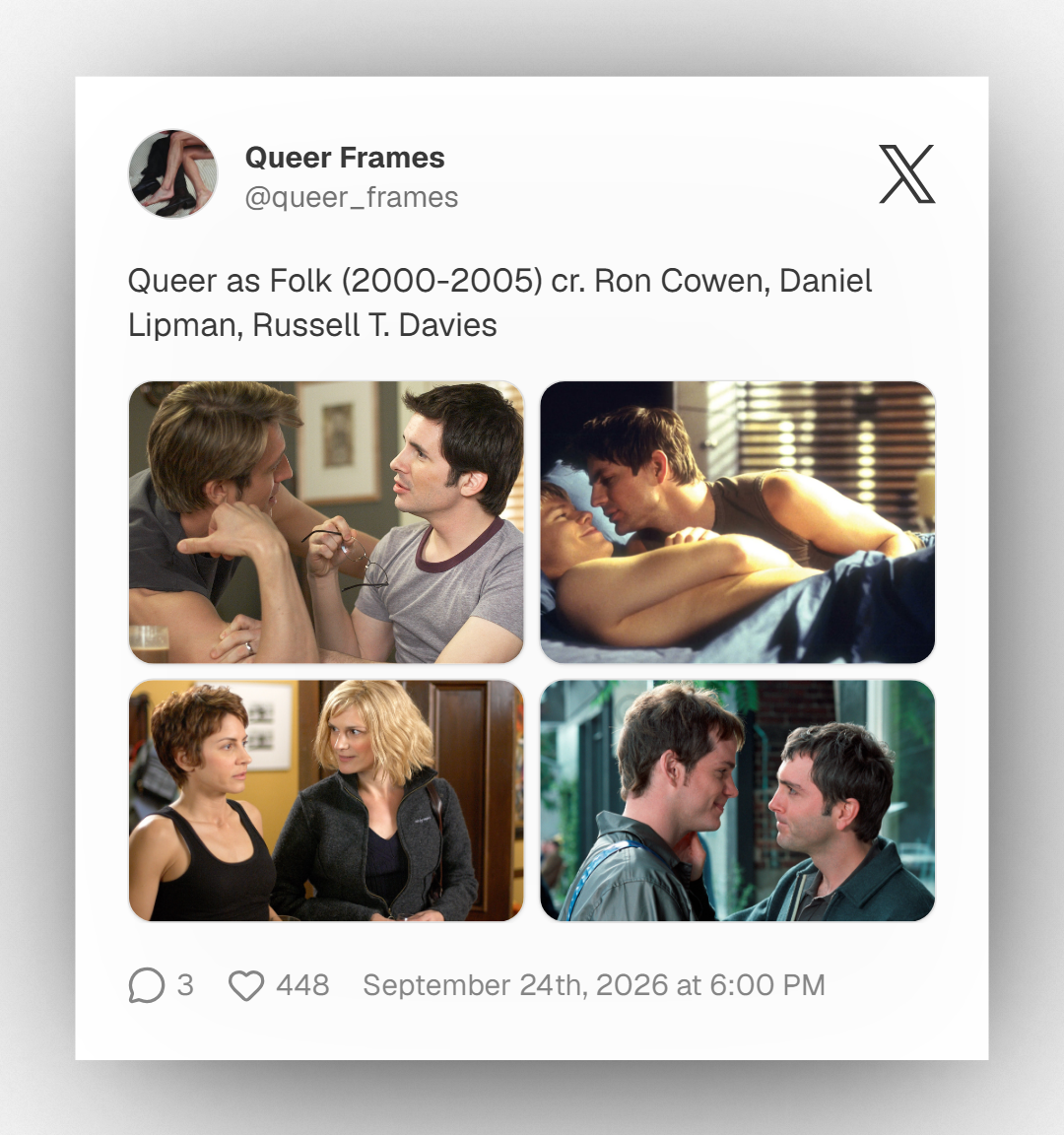
Instead, Davies is watching old arguments return with a frightening amount of energy.
“There is such hatred. There is such fear. There is such venom being whipped up by very powerful voices and very knowing voices.”
And apparently, that was enough to turn frustration into a writing deadline.
RELATED: Alexander Skarsgard, Grant Knoche, and their Sexy Music Videos
“The impossibility of this is advancing on us rapidly, tumultuously. My God, I had to write about it.”
When the backlash stops feeling abstract
Davies’ concerns are not limited to politics or angry posts floating around online. He says the hostility has become personal enough that he now keeps a knife beside his front door after someone worked out where he lives and turned up at his home.
“People have worked out my address, and one person turned up at my house.”
Davies connects the incident to years of online harassment and misinformation, including accusations that he is a “groomer” and “paedophile” because of his support for trans rights. He specifically referenced comedian and writer Graham Linehan when discussing the campaigns against him.
That kind of rhetoric can sound like internet noise right up until someone shows up at your actual house.
“If you believe a paedophile lives here, it’s not the maddest thing in the world to come and get me.”
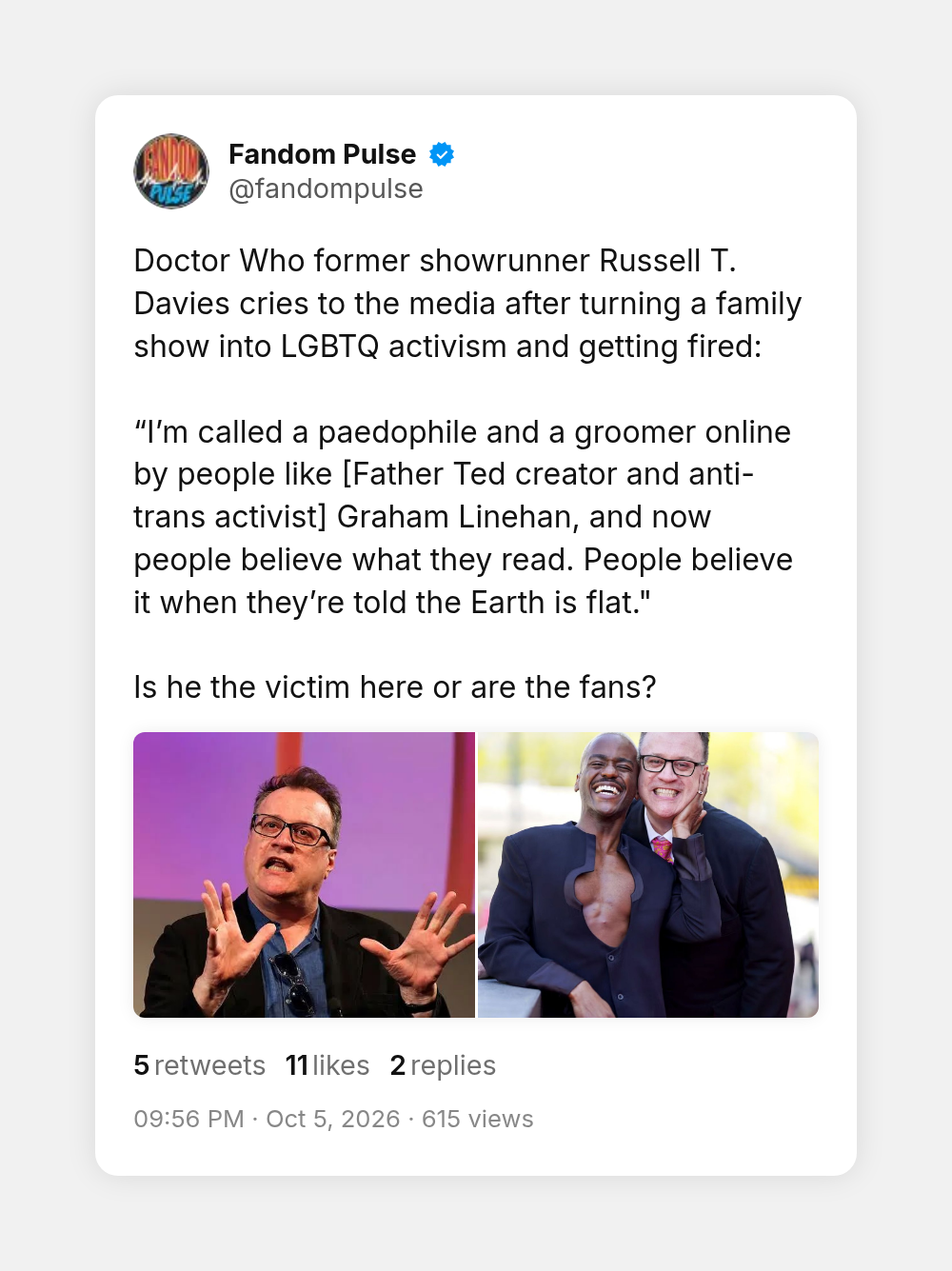
It is a particularly grim example of what happens when online accusations stop being contained to screens. For Davies, the issue is not simply that people disagree with him. It is that misinformation can create a version of someone so distorted that real-world hostility starts to feel justified to the person consuming it.
“Our rights are paper-thin”
Davies also argues that the incident exposed something bigger about privacy, online abuse and the power of social platforms.
“I’ve been saying for years that our rights are paper-thin, and here we are,” he said.
His frustration extends to the platforms that allow inflammatory claims to spread at enormous speed, particularly when outrage itself becomes profitable.
“What scares me is that I can’t see an end to it. Nothing is going to unseat these tech barons, it will require some sort of revolution to stop them. So for the first time in history, hatred is being monetised by an algorithm.”
That may be one of the bleakest parts of Davies’ argument: hatred is no longer merely something people express. Online platforms can help circulate it, amplify it and keep feeding it to audiences that are most likely to engage with it.
And engagement, as the internet has taught us repeatedly, is apparently valuable even when the thing being engaged with is someone’s humanity.
Graham Linehan disputes Davies’ account
Linehan responded to Davies’ comments on X, disputing his characterization of what Linehan has said about him. Linehan said Davies’ claim that he called him “a paedophile and a groomer” is “a lie”.
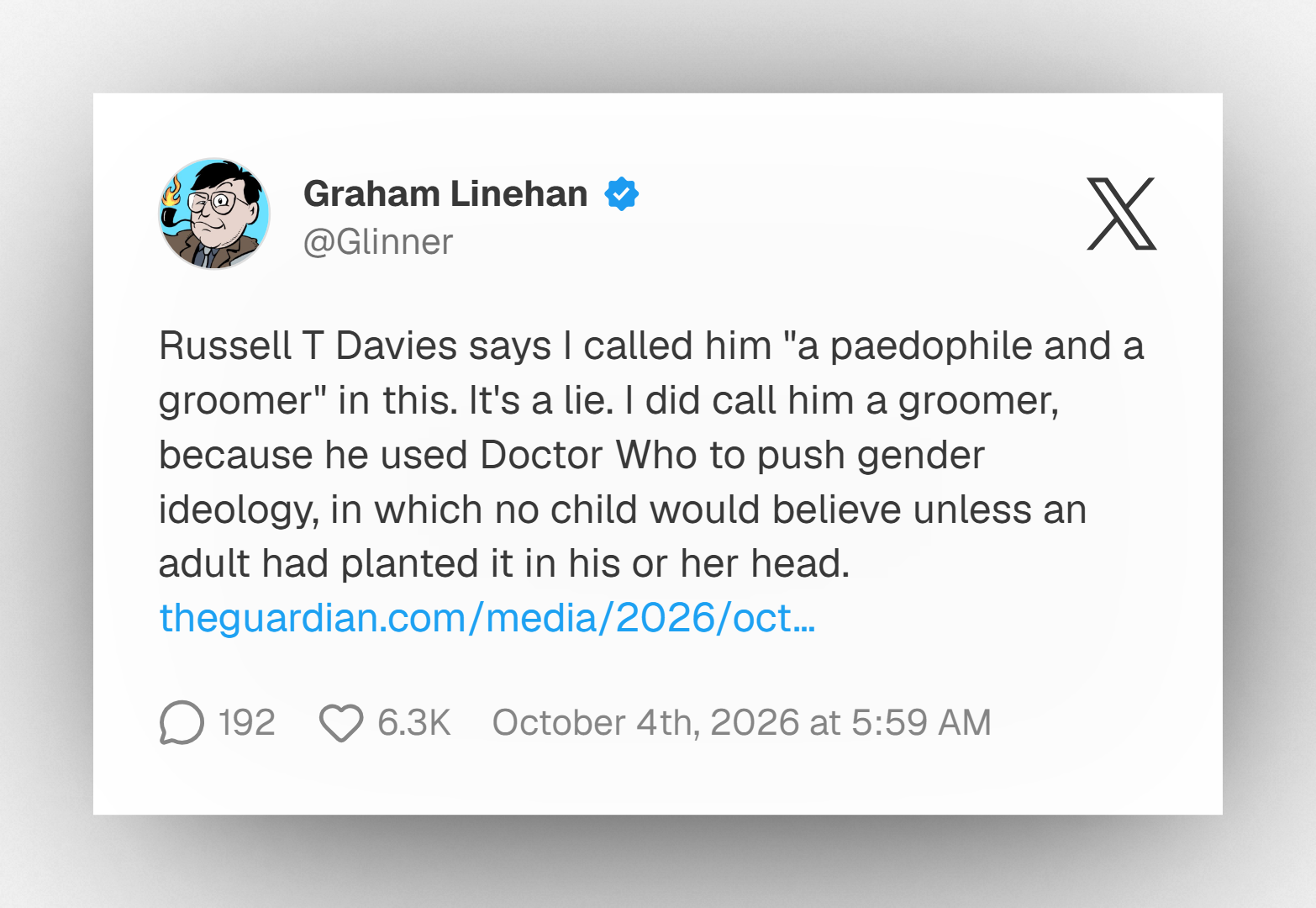
He continued: “I did call him a groomer, because he used Doctor Who to push gender ideology, in which no child would believe unless an adult had planted it in his or her head.”
The exchange illustrates exactly the kind of wider conflict Davies says has become increasingly difficult to escape: arguments over LGBTQ+ rights that are no longer simply disagreements over policy or culture, but battles over how individuals themselves are described.
From Queer as Folk to whatever comes next
Perhaps the strangest part of Davies’ comments is that he once had every reason to believe the cultural conversation would look very different by now.
After all, Queer as Folk was created in 1999. A quarter-century later, it would not be unreasonable to expect the battles surrounding LGBTQ+ acceptance to have moved considerably further into the rearview mirror. Davies clearly expected that, too.
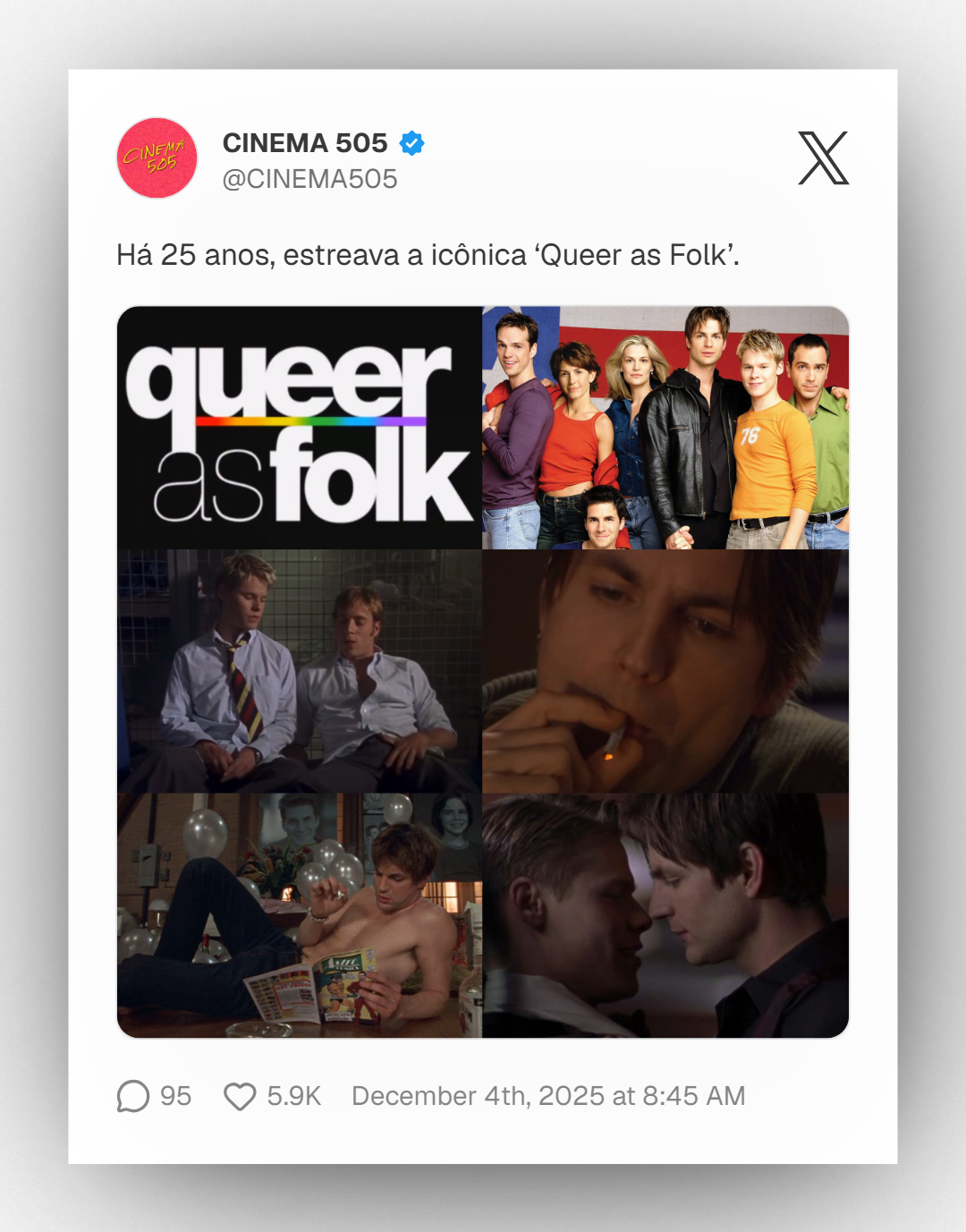
Instead, he is looking at the resurgence of homophobia and seeing enough hostility to make him write about it all over again.
“It’s the shape of the world now. It’s terrifying.”
For anyone who grew up watching queer characters become increasingly visible on television, that reversal is uncomfortable. The hope was always that representation would eventually become ordinary enough that simply existing openly would no longer feel like a political act.
Davies’ latest project, by his own account, comes from realizing that the story is not finished.
And honestly, after Queer as Folk, we probably could have done without another chapter called “Wait, Why Are We Fighting About This Again?”