


Long before streaming services were rescuing forgotten gems from obscurity, Ryan Phillippe starred in a movie that practically had to be rescued from itself.
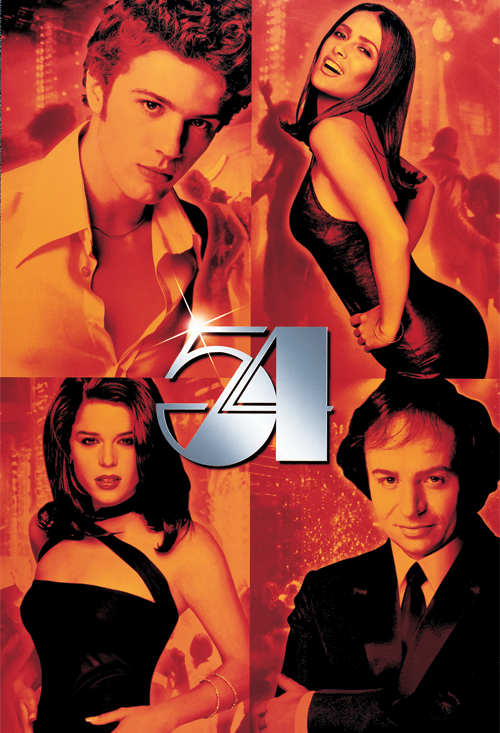
Released in 1998, 54 had all the ingredients of a hit. It was set inside the legendary Studio 54, featured a cast that included Ryan Phillippe, Salma Hayek, Neve Campbell, Mike Myers, Sela Ward, Breckin Meyer, and Sherry Stringfield, and promised a glamorous look at one of the most infamous nightclubs in history.
The problem? The version audiences saw in theaters was not exactly the movie director Mark Christopher wanted them to see.
The Studio 54 Story Missing Its Queer Heart
The theatrical version followed Shane O’Shea, played by Phillippe, a young man who gets swept into the glittering world of Studio 54 after catching the attention of club owner Steve Rubell.
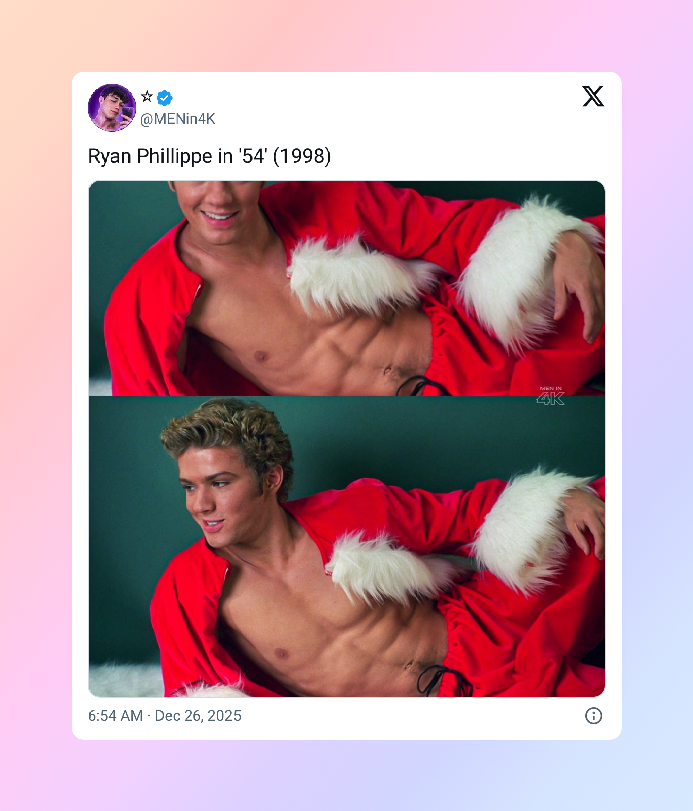
On paper, it sounded like the perfect recipe for a disco-fueled drama packed with sex, ambition, and excess. Critics and audiences, however, were less impressed. The film struggled both commercially and critically, quickly earning a reputation as a disappointing take on one of nightlife’s most legendary eras.
Many fans later pointed to one glaring issue. A movie about Studio 54 somehow felt stripped of much of the queer energy that made the real club so culturally significant.
Writer/Director Mark Christopher’s ’54’ starring Ryan Phillippe, Salma Hayek, Neve Campbell, Breckin Meyer, Mark Ruffalo, and Mike Myers boogied into theaters this day 25 years ago. 💃🏼🪩🕺🏼 #OTD pic.twitter.com/2WQ4yh76mI
— 𝚂𝚎𝚌𝚘𝚗𝚍𝚊𝚛𝚢 𝙿𝚛𝚘𝚝𝚘𝚌𝚘𝚕 (@2ndaryProtocol) August 29, 2023
The original cut contained far more exploration of sexuality, including a bisexual love triangle, darker character arcs, and a now-famous kiss between Phillippe and Breckin Meyer that never made it into the theatrical release.
Instead, much of that material was removed, leaving behind a version that many felt played things far too safe.
RELATED: Ryan Phillippe’s Strip Tease: The Barely-There Shorts That Will Make You Sweat
The Director’s Cut Changes Everything
Years later, audiences finally got to see what Christopher had originally envisioned.
The Director’s Cut restored the film’s messier, sexier, and far more emotionally complicated story. Suddenly, Shane was no longer just a charming small-town dreamer. He became a far more flawed and fascinating character whose rise and fall reflected the excesses of the era.
Ryan Phillippe in “54” film (1998) pic.twitter.com/XoT1gcME2j
— y2k (@y2kpopart) July 10, 2024
Most importantly, the film embraced the fluid sexuality that had largely disappeared from the theatrical version.
For queer movie fans, the restored material transformed 54 into something entirely different. The famous Phillippe and Meyer kiss returned. Relationships became more layered. The nightclub finally felt like the cultural melting pot that made Studio 54 legendary in the first place.
ryan phillippe in 54 was… an experience pic.twitter.com/m3iXD2E2nj
— mikey (@buckIeydiaz) April 16, 2023
Speaking to IndieWire, Christopher explained that the film was always intended to explore “this decadent world on the edge of collapse,” adding that the themes and visual style missing from the studio version were finally restored.
RELATED: Ryan Phillippe’s Steamy Shirtless Lakeside Snap–He’s Turning Up the Heat!
A Cult Classic Is Born
Ironically, the version that many fans now celebrate almost disappeared completely.
After the theatrical release fizzled, bootleg copies of the Director’s Cut began circulating among movie lovers. Interest steadily grew, particularly within LGBTQ audiences eager to see the film that had originally been promised.
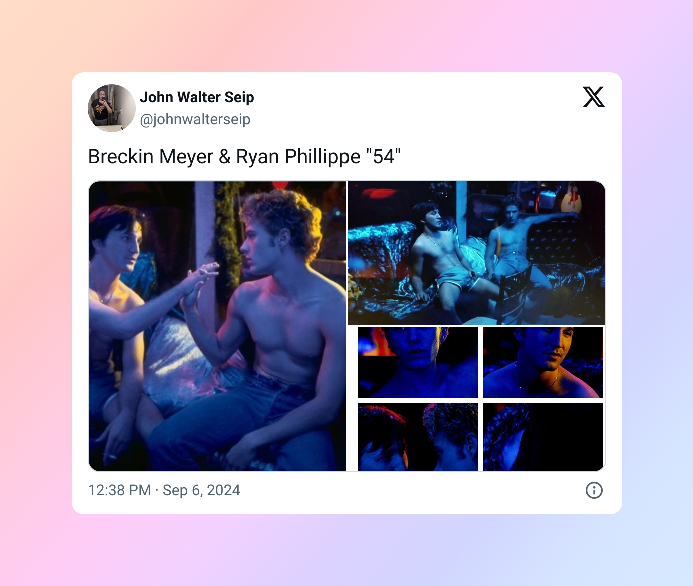
By 2008, a secret screening at New York’s LGBT Outfest sold out, helping cement 54‘s status as a queer cult favorite.
More than 25 years later, the film remains a fascinating Hollywood what-if. It’s a reminder that sometimes the version audiences need is not the one that first reaches theaters.
And for Ryan Phillippe fans, it offers something even better: a chance to revisit one of his most intriguing performances in the version that finally lets Studio 54 be exactly what it was meant to be.
https://youtu.be/20hU14sgWdM?si=oPy8oG7S9UIv-cEr
Love the Directors Cut Much better film