


Multidrug-resistant Shigella should be on your radar, honey.

Let’s talk about something that isn’t exactly sexy but absolutely deserves a spot in our sexual health conversations: poop. More specifically, Shigella, a bacterium that can cause diarrhea, stomach cramps, fever, and sometimes bloody stools. It can also spread during sex, and certain strains are becoming harder to treat. So before you blame that questionable takeaway, let’s get into the facts.
Why Is Shigella Making Headlines?
In March 2026, the UK Health Security Agency reported 2,560 diagnoses of sexually transmitted Shigella in England during 2025, compared with 2,318 the previous year. The agency also flagged growing antibiotic resistance among tested samples.
Shigella causes an intestinal infection called shigellosis. Anyone can get it through contaminated food, water, or contact with infected stool. However, gay and bisexual men and other men who have sex with men (GBMSM) are among the groups more frequently affected by sexual transmission. This isn’t about sexual orientation itself; it’s about how the bacteria travels.
How Can Sex Spread Shigella?
According to the CDC, infection occurs when microscopic amounts of contaminated fecal matter enter someone’s mouth. That can happen through rimming, fingering, oral sex after anal play, or touching contaminated skin, hands, and sex toys.
You don’t need to see poop for transmission to happen, either. Condoms, dental dams, and gloves can reduce exposure, but they aren’t foolproof.
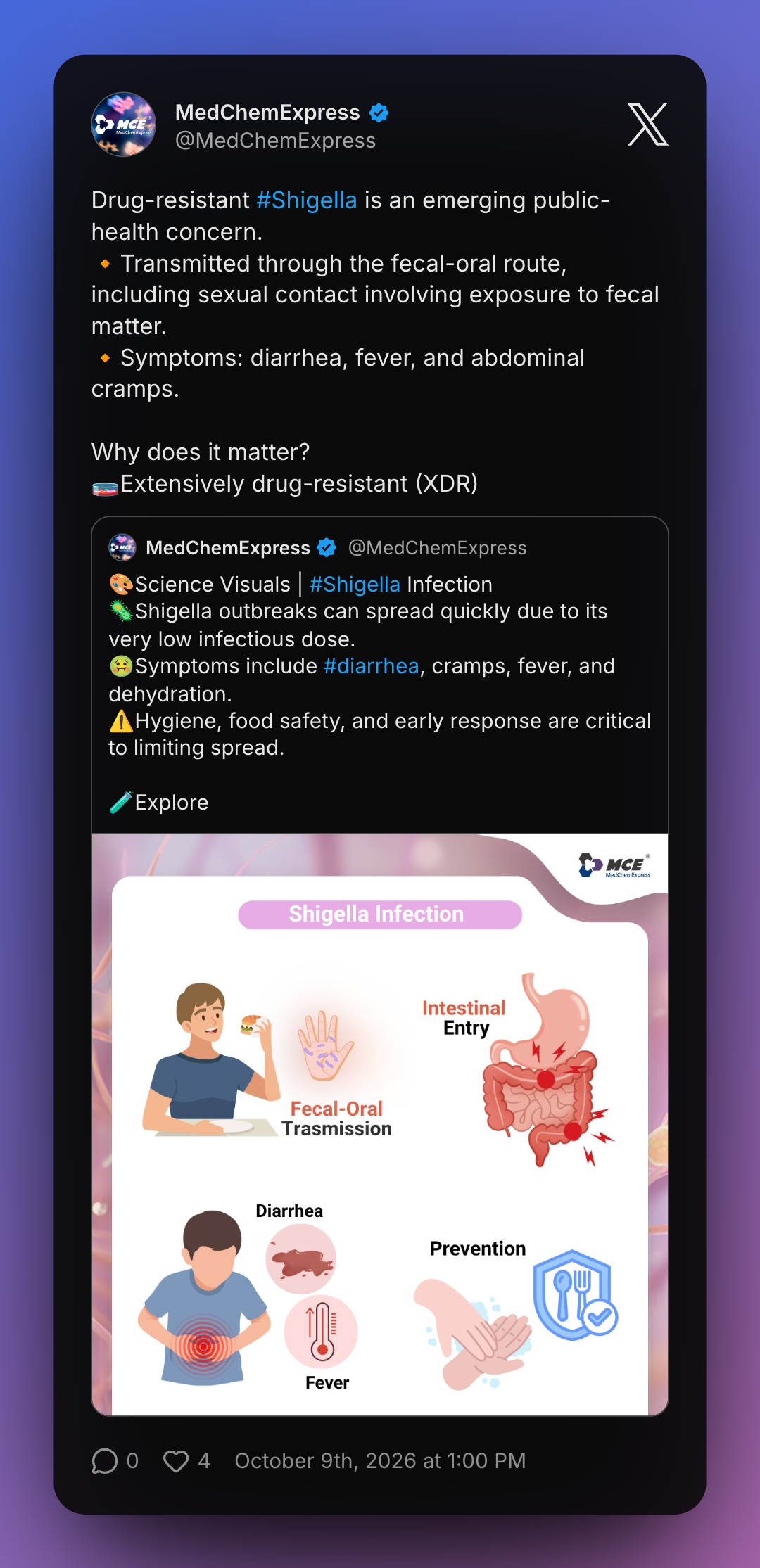
What Symptoms Should You Watch For?
Symptoms often appear within one to two days of infection, according to the CDC. They may include:
- Diarrhea, sometimes bloody or with mucus
- Fever and abdominal cramps
- Feeling like you still need to poop even when your bowels are empty
Some people have no symptoms. If you develop bloody diarrhea, severe pain, or signs of dehydration, seek medical attention. A healthcare professional can request a stool test to identify the cause.
READ: Rising Drug-Resistant Shigella in GBMSM: How It Spreads and How to Stay Safe
Why Is Antibiotic Resistance Concerning?
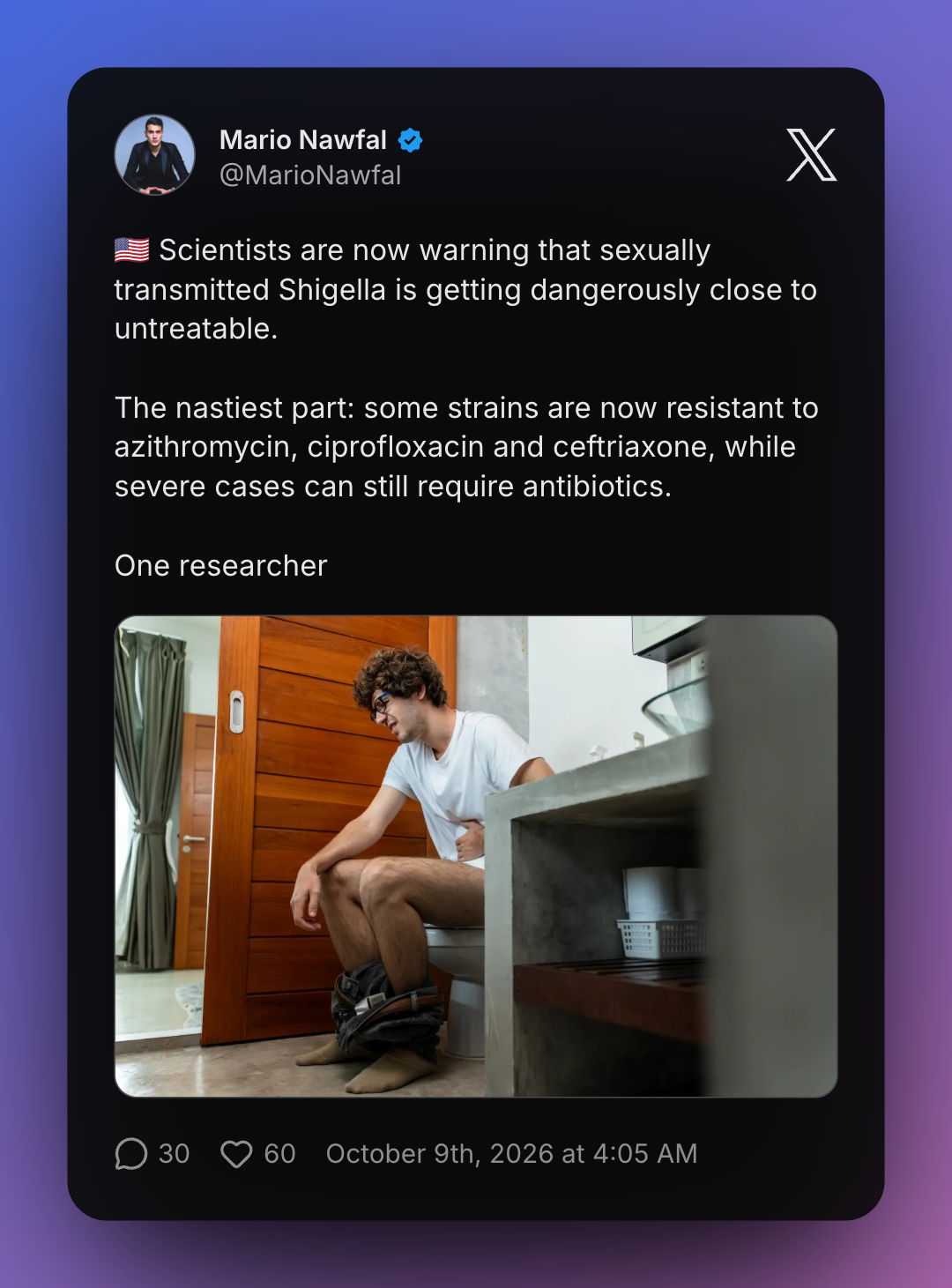
Some Shigella strains resist multiple antibiotics, limiting treatment options. The CDC estimates approximately 242,000 antimicrobial-resistant Shigella infections occur annually in the United States. That doesn’t mean every infection is resistant, but it does mean self-prescribing antibiotics is a terrible idea.
Most people recover without antibiotics. If your doctor prescribes them, follow the instructions to the dot and report if you aren’t improving.
How Can You Protect Yourself?
Wash your hands with soap and water after using the toilet and before handling food. Clean your hands, genitals, and anal area before and after sex, and wash shared toys between uses. Wiping your bum with tissue isn’t enough to prevent the transmission of bacteria.
If you have diarrhea, skip the hook-ups first and don’t prepare food for others. The CDC recommends waiting at least two weeks after diarrhea ends before having sex, since bacteria can remain in stool after symptoms disappear. Drink fluids or oral rehydration solution to prevent dehydration, and avoid anti-diarrheal medicines unless a healthcare professional advises otherwise, especially if you have bloody diarrhea.
Shigella isn’t a reason to shame anyone or swear off sex. It’s a reason to know the risks, take symptoms seriously, and look after ourselves and our partners. Sexual health includes the gut, too, darling.