


Karamo Brown’s fallout with the rest of the cast of Queer Eye has turned what was once a tightly packaged feel-good franchise into something far messier behind the scenes, after he stepped away from a live reunion and promotional appearances with the Fab Five, later explaining why he says the fractures inside the group had been building for years.
RELATED: Jonathan Bailey Never Let Hollywood Decide Who He Could Love
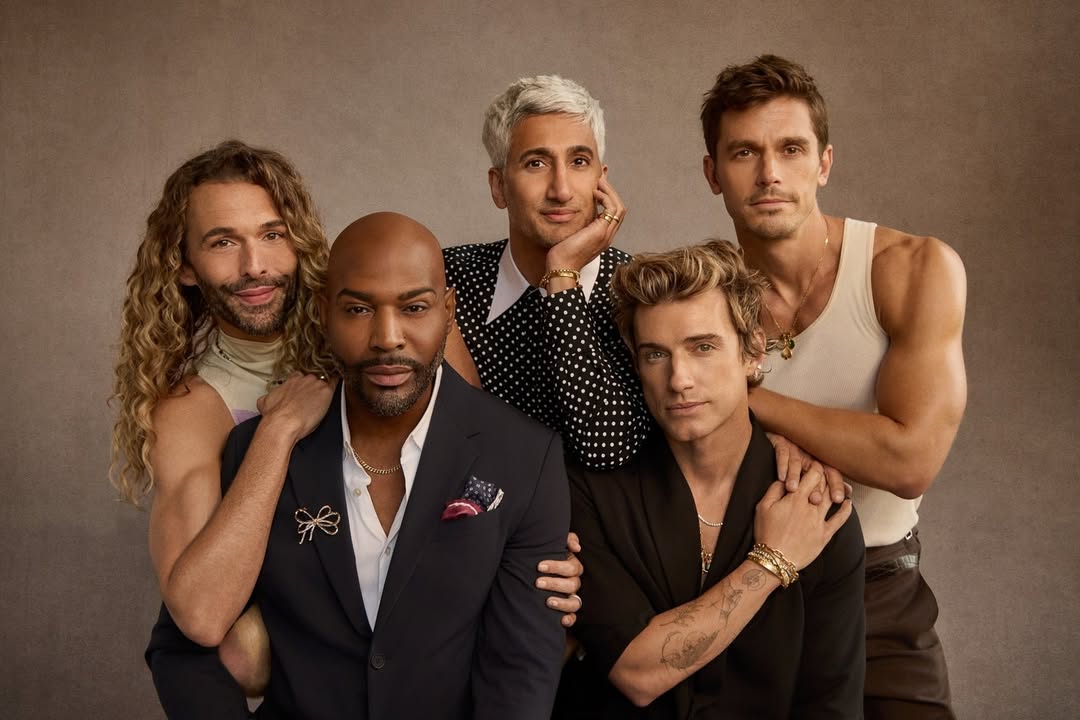
Brown is now publicly laying out his version of what led to that break, describing years of tension within the group, emotional strain behind the scenes, and a point where, in his words, staying silent was no longer an option.
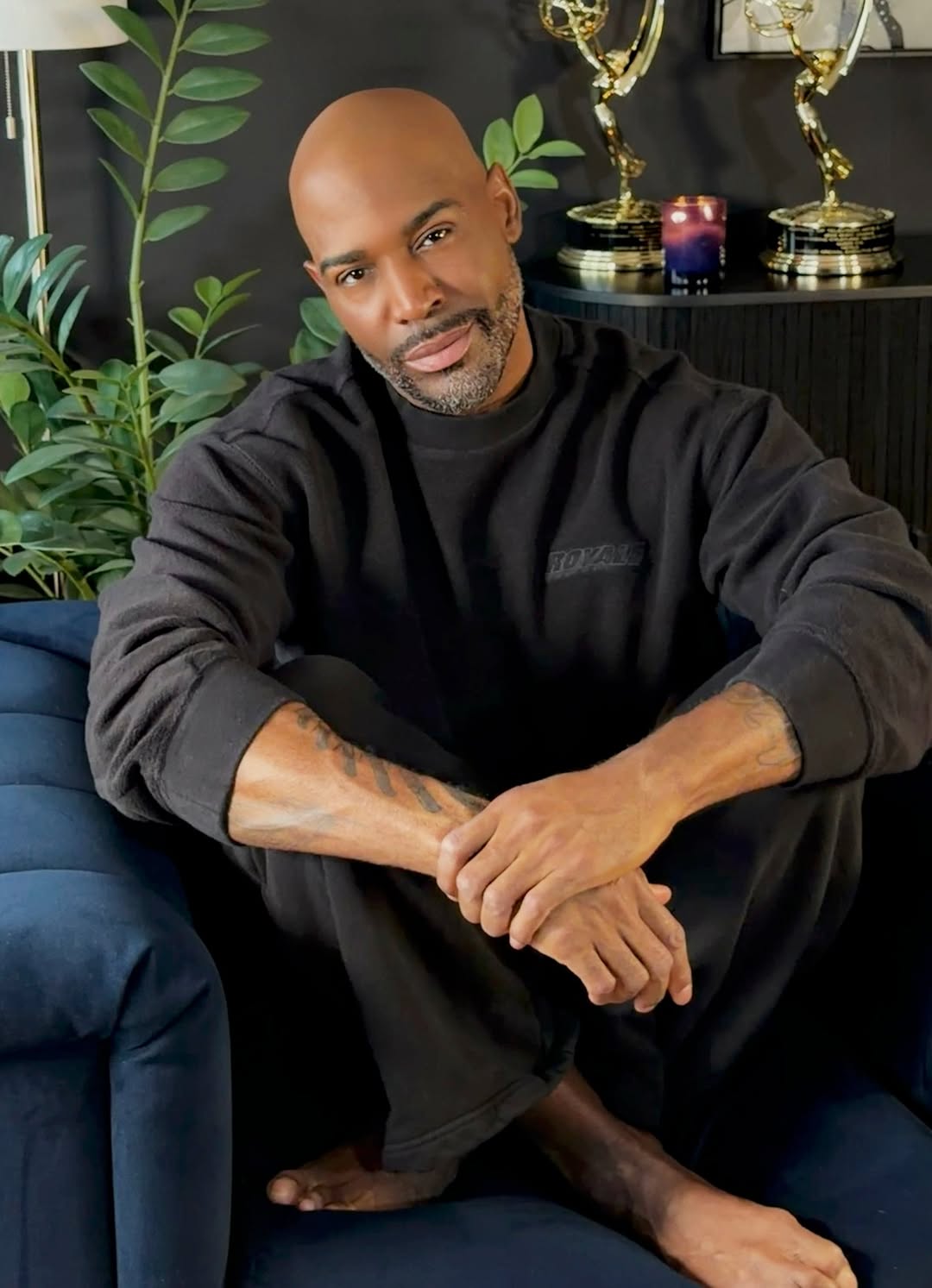
What was supposed to be a celebratory press moment turned into a visible break. Brown didn’t show up. A statement was read instead. And from that point on, the story stopped being just about a TV show.
RELATED: Perrie Edwards Confirms Little Mix Reunion Is Coming!
“I was depressed,” and the gap between the message and the life behind it
Brown has described a version of the experience that sits uncomfortably against the show’s emotional optimism.
“I was depressed,”
He expanded on the contradiction at the core of his role:
“It felt shameful because I was teaching people that they could be better, but in my own life I was trapped.”
That tension—being the on-screen emotional anchor while privately struggling—becomes the foundation of everything he later says about the environment around him.
“Enough is enough,” and stepping away from the group dynamic
Brown’s absence from the reunion and promotional cycle wasn’t framed by him as impulsive, but as a boundary that had been building over time.

“Enough is enough,”
He referenced a shift in how he approached silence and participation:
“If I stay quiet right now and pretend I’m sick or something, whose peace am I protecting?”
He also described the experience as one shaped by repeated interpersonal strain and what he characterizes as long-term toxicity within the working environment.
The split in public: when the Fab Five stopped moving in sync
While Brown stepped back, the rest of the cast—Antoni Porowski, Tan France, Jonathan Van Ness, and Jeremiah Brent—continued appearing together to promote the series. The contrast was hard to miss. A group built on unity suddenly looked split between appearances and absence.
Production response and competing versions of what happened
Brown has described years of what he calls bullying, emotional strain, and a workplace culture where concerns were not always handled in ways that protected him. He also alleges that production leadership did not consistently intervene when behavior escalated between cast members or behind the scenes.
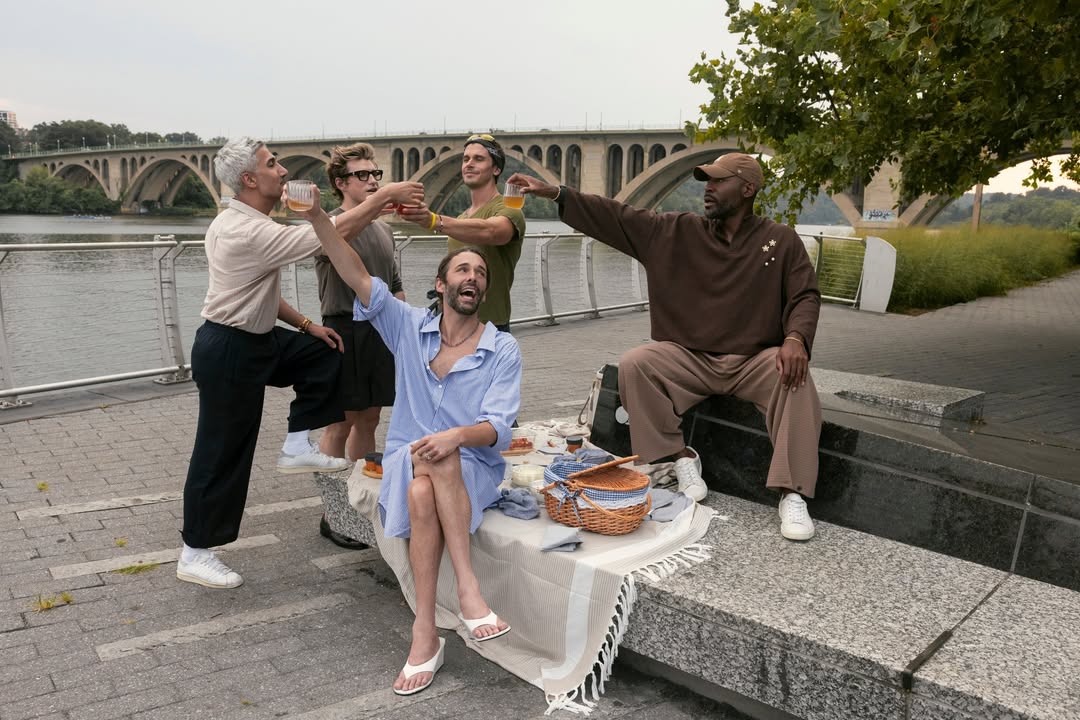
Production companies behind the show strongly dispute this framing, stating that concerns raised during filming were taken seriously and addressed appropriately, and that workplace policies, training, and support systems were in place throughout the series.
Both versions exist in parallel: one describing unresolved harm, the other describing a structured and responsive set. Neither fully cancels the other out in public perception.
The early cracks: a complaint, a divide, and trust breaking down
One of the earliest fractures Brown points to involves a sexual harassment complaint filed in the first weeks of filming.
According to Brown, he had a “fun and flirty” dynamic during casting with an unnamed member of the Fab Five, which later became part of a complaint process. He initially believed the complaint came from that co-star, but later learned it was submitted by an anonymous third party.
“It broke us,”
From there, he says, the sense of unity inside the group shifted.
Inside the tensions: friendship, distance, and shifting alliances
Reports and sources cited in coverage describe ongoing tension between Brown and other cast members, including Tan France and Jonathan Van Ness. Some of those tensions were reportedly worsened by external scrutiny and later reporting into Van Ness’s alleged on-set behavior, which he has previously denied in other contexts.
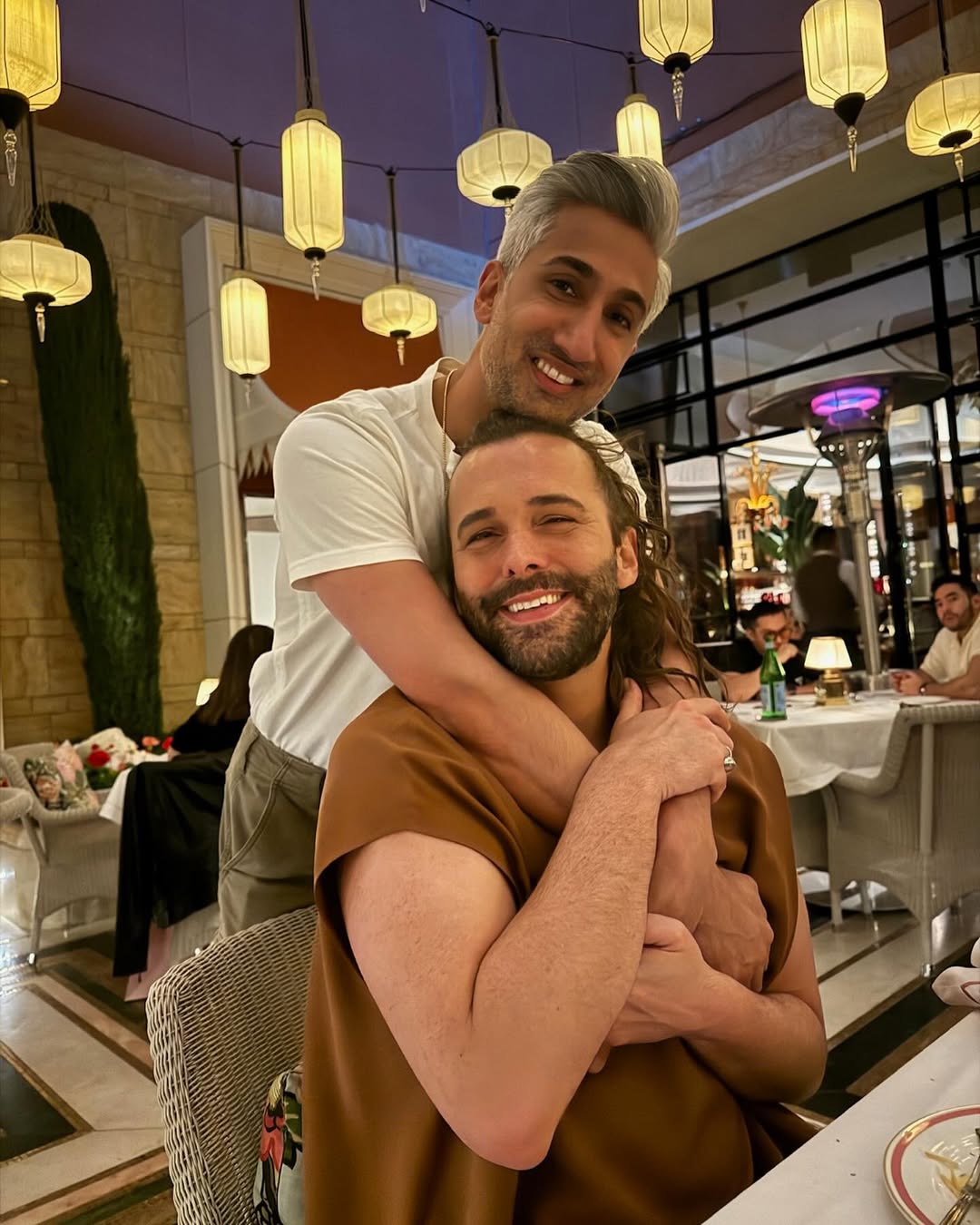
Brown, for his part, has tried to separate personal feeling from ongoing public narratives:
“The work I have seen Jonathan pouring into himself is commendable and inspiring,”
“Growth isn’t always public-facing, but I respect him for how he’s currently moving through life.”
Even with that, he confirms they have not been in direct contact for months.
Accountability, admissions, and the moments he says he contributed to the tension
Brown also acknowledges his own role in conflict within the group dynamic.
“There were times I was hurt and would lash back out. I recognize my part and how things I did impacted people.”
That admission complicates any simple framing of blame. Instead, it suggests a cycle of reaction, escalation, and breakdown rather than a single fault line.
The moment involving his mother that changed everything
One of the most emotionally charged points Brown describes involves a visit from his mother to set. According to multiple accounts cited in reporting, she overheard cast members speaking negatively about him.
Brown says he never pressed her for full details of what was said, but remembers her reaction.
“I thought they were your friends,”
What stayed with him wasn’t the content of the conversation, but her response:
“The thing I know is the tears I saw in my mother’s eyes,”
That moment, he says, made the situation impossible to ignore any longer.
A different kind of pressure behind the scenes
Brown also recalls an early moment of direct pressure from production leadership:
“You are not a star. I will get rid of you tomorrow.”
A claim that, if accurate, reflects a far harsher environment than what viewers ever saw on screen. An insider from production, however, described early-season dynamics differently, suggesting there were ongoing creative disagreements about tone and direction, and that some tensions were rooted in conflicting expectations of what the reboot should be.
One version describes hostility. The other describes misalignment. Both point to friction from the start.
A show caught between two identities
According to insiders, early production expectations leaned toward a more abrasive, confrontational style reminiscent of earlier reality TV eras. But the newer cast reportedly built something different—more emotionally centered, less cutting.
That mismatch, one source suggested, created a structural tension: The show wanted one kind of energy, but the cast was building another.
Sobriety, relapse, and the cost of holding it together
Brown also spoke openly about the toll the period took on his personal life. After a long period of sobriety, he says he relapsed during the show’s third season.
“a drink would lead to weed, cocaine, pills,”
“I wasn’t coping right, but I pretended like I was. I was so broken.”
He now says he is sober again:
“I’ve not had a single drink, cocktail — nothing,”
He also says he is actively in recovery support programs, including 12-step meetings.
Antoni Porowski’s response: distance without closure
Antoni Porowski, speaking separately while promoting his own work, addressed the broader situation with restraint rather than confrontation.
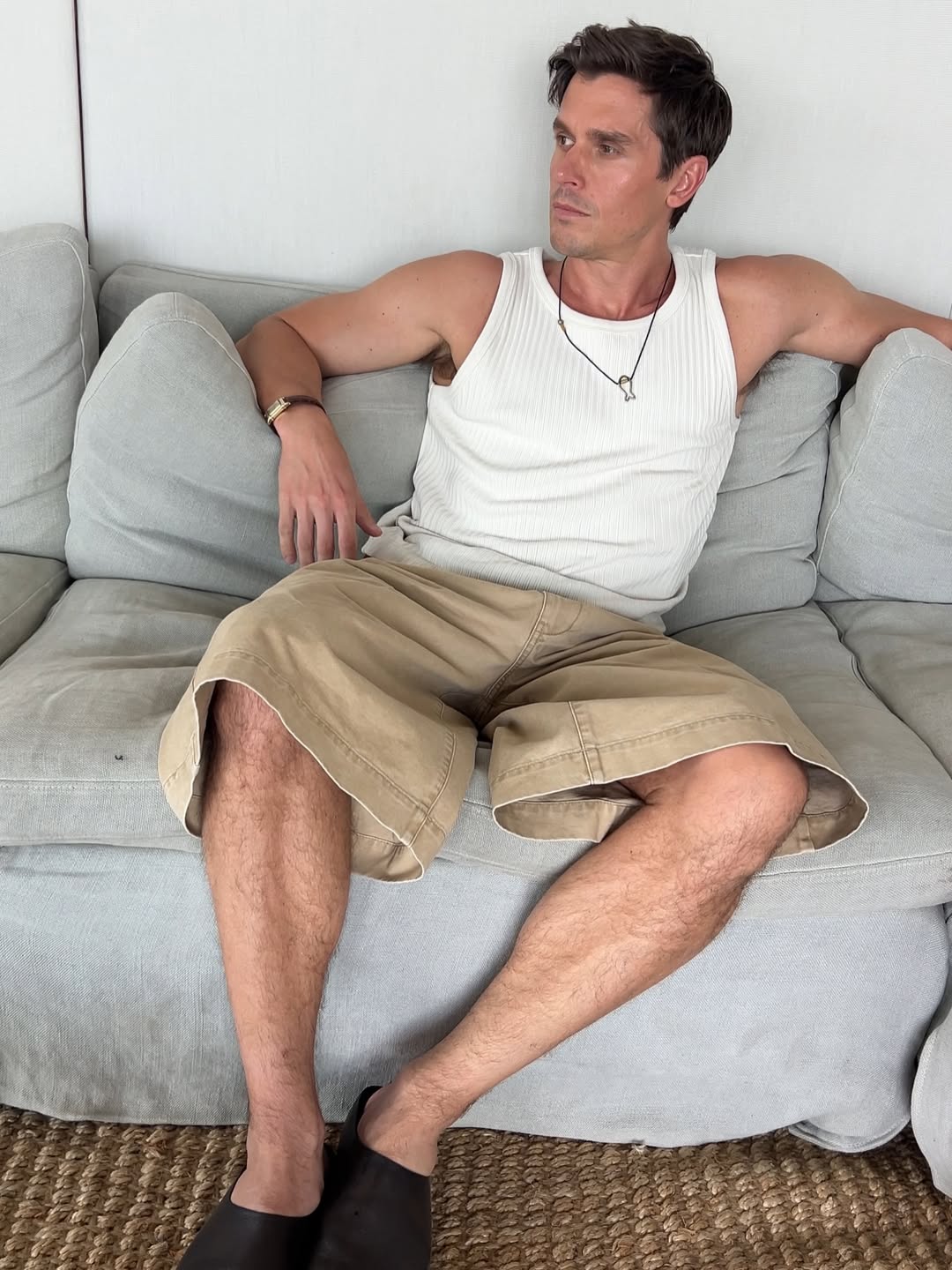
“If I’m honest, I think I’m left with more questions than answers,”
He also emphasized concern that the controversy risked overshadowing the work and the broader production community behind the series.
So what remains when the cameras stop?
What made Queer Eye resonate was its promise of transformation that felt mutual, emotional, and shared. What this moment reveals is that transformation doesn’t always distribute evenly—especially inside systems built on constant performance, emotional labor, and public storytelling.
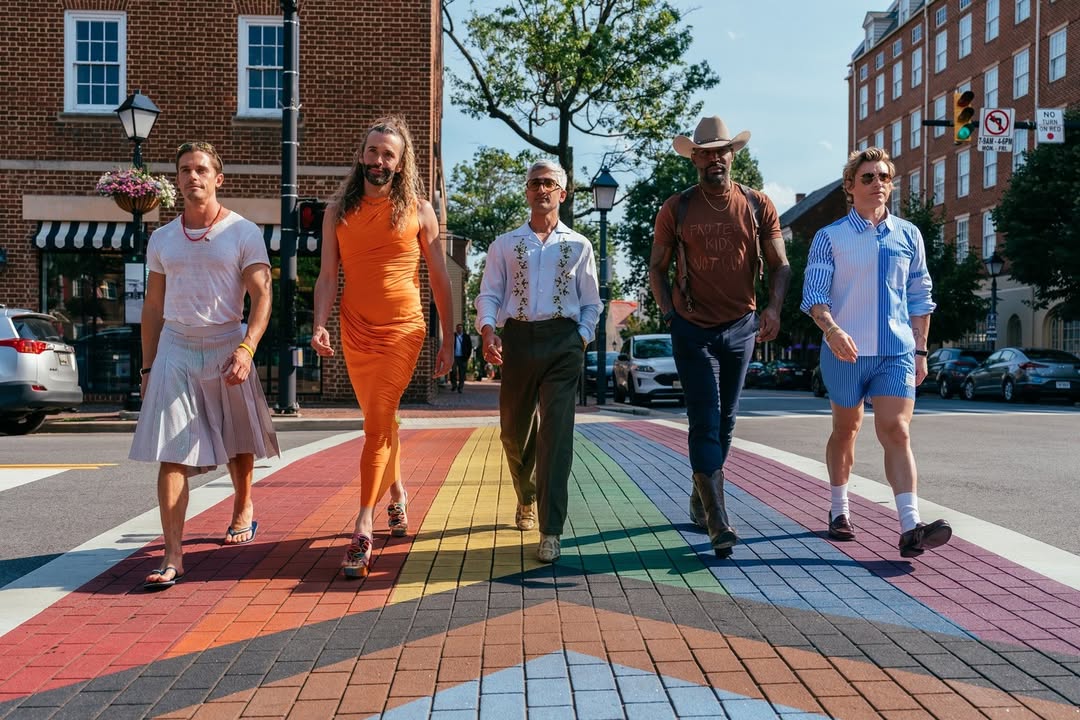
And unlike the show’s format, there’s no final segment where everything is neatly resolved, everyone hugs, and the narrative resets for next season. What’s left instead is a set of competing accounts—and a cast whose version of events still doesn’t quite match.
Source: People